#TopCopyTradingScout
Deep-Dive Analysis — Strategy, Psychology, and the Real Game Behind Copy Trading Success
The hashtag #TopCopyTradingScout is not just about finding profitable traders to follow—it represents a growing shift in how retail participants approach the market. Copy trading has evolved from a beginner shortcut into a sophisticated strategy layer within crypto and traditional finance. But here’s the reality most people ignore: success in copy trading is not about blindly following top performers—it’s about selecting, managing, and adapting strategies intelligently over time.
---
1. Understanding Copy Trading: The Illusion vs Reality
At first glance, copy trading appears simple. You find a profitable trader, allocate funds, and mirror their trades. But this simplicity is deceptive. Behind every “top trader” is a complex mix of strategy, timing, risk tolerance, and sometimes pure luck.
Most beginners assume high ROI equals skill. In reality, high returns often come with high risk exposure. A trader showing 300% gains may be using extreme leverage, meaning one wrong move could wipe out the account. This is why professional scouts focus less on returns and more on consistency and risk control.
---
2. What Makes a True “Top Scout”
A Top Copy Trading Scout is not someone who just finds profitable traders—they identify sustainable performers. This requires analyzing multiple dimensions:
Risk-to-reward ratio
Maximum drawdown
Trade consistency
Market adaptability
Emotional discipline
A true scout understands that the goal is not to chase profits but to build a stable portfolio of traders that can perform across different market conditions.
---
3. The Core Metrics That Actually Matter
To separate real professionals from gamblers, scouts rely on key metrics. ROI alone is misleading. Instead, focus on:
Drawdown: How much the trader loses during bad periods
Win rate vs risk ratio: A high win rate means nothing if losses are large
Trade frequency: Overtrading often signals emotional decisions
Holding time: Reveals whether the strategy is scalping, swing, or position-based
For example, a trader with 40% ROI and low drawdown is often more valuable than one with 150% ROI but extreme volatility.
---
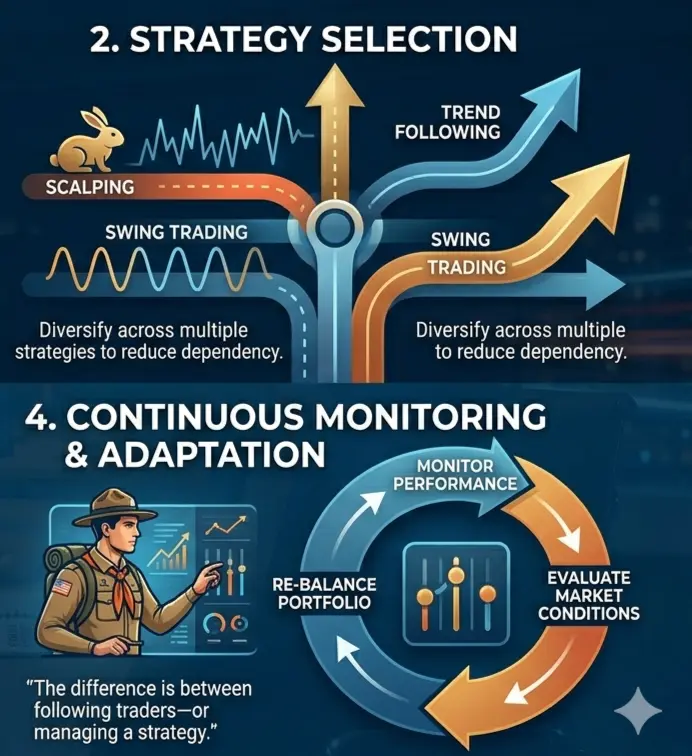
4. Strategy Types in Copy Trading
Not all traders use the same approach. Understanding strategy types is critical for proper allocation.
Scalpers: High-frequency trades, small profits, high stress
Swing traders: Medium-term positions, balanced risk
Trend followers: Ride large market moves, fewer trades
Grid traders: Automated strategies, work best in ranging markets
A smart scout diversifies across these strategies instead of relying on a single trader.
---
5. The Biggest Mistake: Blind Following
The most common mistake in copy trading is blind trust. Many users allocate funds based purely on leaderboard rankings without understanding the underlying strategy.
This leads to a dangerous cycle:
Trader performs well → users pile in
Market conditions change → strategy fails
Users panic and exit at a loss
Successful copy trading requires active management, not passive following.
---
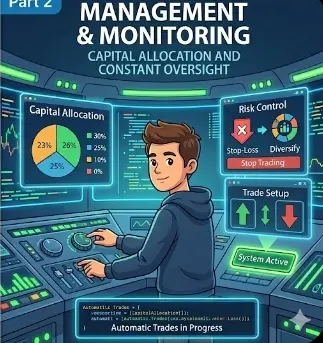
6. Risk Management: The Real Edge
Risk management is where most copy traders fail. Even the best trader can experience losses, so capital allocation becomes critical.
Professional scouts follow rules like:
Never allocate more than 10–20% to a single trader
Diversify across multiple strategies
Set stop-loss thresholds for each copied account
This transforms copy trading from gambling into a structured investment approach.
---
7. Market Conditions: Adapting to Change
Different strategies perform differently depending on market conditions.
Bull markets favor trend followers
Sideways markets favor grid strategies
Volatile markets benefit scalpers
A top scout constantly adjusts allocations based on macro trends instead of sticking to a fixed setup.
---
8. Psychology: The Hidden Factor
Even though you are copying others, psychology still plays a huge role. Users often:
Exit during drawdowns
Increase allocation after gains
Panic during volatility
This behavior leads to buying high and selling low—the exact opposite of profitable trading.
A disciplined approach requires trusting the strategy while managing risk objectively.
---
9. Platform Dynamics: Why Infrastructure Matters
Copy trading platforms are not all equal. Execution speed, slippage, and liquidity can significantly impact results.
For example:
Delayed execution can reduce profits
High slippage can turn winning trades into losses
Low liquidity can prevent proper scaling
A top scout evaluates not just traders, but also the platform environment in which they operate.
---
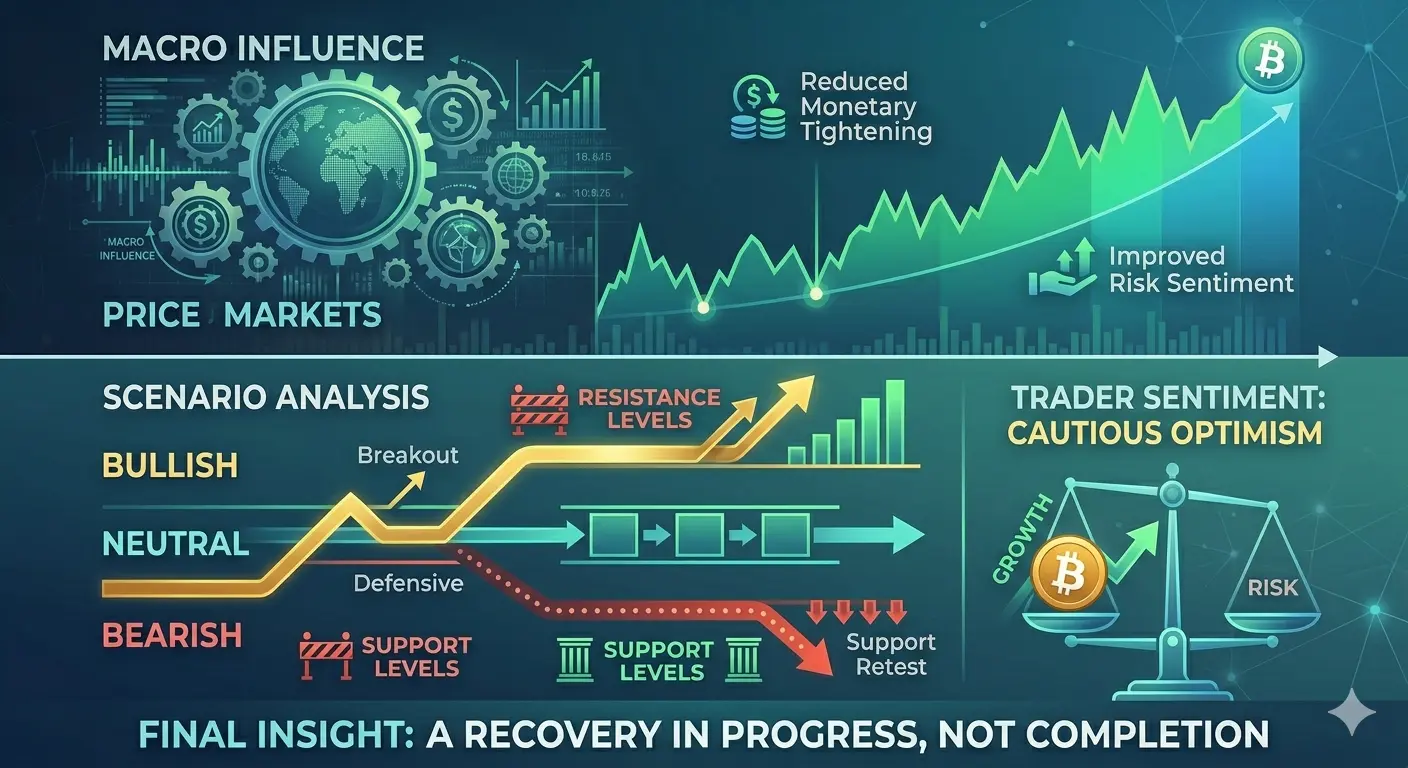
10. Scenario Analysis: Different Outcomes
Scenario 1: Strong Market Alignment
If you select traders whose strategies align with current market trends, returns can compound quickly with controlled risk.
Scenario 2: Market Shift
If conditions change and you fail to adapt, even top traders can underperform, leading to drawdowns.
Scenario 3: Overexposure
Allocating too much capital to a single trader can result in significant losses during unexpected market moves.
These scenarios highlight the importance of flexibility and continuous evaluation.
---
11. Building a Winning Copy Trading Portfolio
A professional approach involves constructing a balanced portfolio of traders.
Example structure:
40% in low-risk, consistent traders
30% in medium-risk swing traders
20% in high-risk, high-reward strategies
10% reserved for experimental allocations
This layered approach balances stability with growth potential.
---
12. Final Insight: Copy Trading Is a Skill, Not a Shortcut
The narrative around #TopCopyTradingScout often portrays copy trading as easy money. In reality, it is a skill that requires analysis, discipline, and adaptability.
The difference between failure and success comes down to one principle:
Are you following traders—or are you managing a strategy?
Those who treat copy trading as a passive shortcut often lose. Those who approach it as an active, strategic process can build consistent, long-term returns.
In the evolving landscape of crypto and financial markets, the role of a Top Copy Trading Scout is becoming increasingly important—not just as a participant, but as a strategist who understands that true success lies not in chasing profits, but in controlling risk while capturing opportunity.
Deep-Dive Analysis — Strategy, Psychology, and the Real Game Behind Copy Trading Success
The hashtag #TopCopyTradingScout is not just about finding profitable traders to follow—it represents a growing shift in how retail participants approach the market. Copy trading has evolved from a beginner shortcut into a sophisticated strategy layer within crypto and traditional finance. But here’s the reality most people ignore: success in copy trading is not about blindly following top performers—it’s about selecting, managing, and adapting strategies intelligently over time.
---
1. Understanding Copy Trading: The Illusion vs Reality
At first glance, copy trading appears simple. You find a profitable trader, allocate funds, and mirror their trades. But this simplicity is deceptive. Behind every “top trader” is a complex mix of strategy, timing, risk tolerance, and sometimes pure luck.
Most beginners assume high ROI equals skill. In reality, high returns often come with high risk exposure. A trader showing 300% gains may be using extreme leverage, meaning one wrong move could wipe out the account. This is why professional scouts focus less on returns and more on consistency and risk control.
---
2. What Makes a True “Top Scout”
A Top Copy Trading Scout is not someone who just finds profitable traders—they identify sustainable performers. This requires analyzing multiple dimensions:
Risk-to-reward ratio
Maximum drawdown
Trade consistency
Market adaptability
Emotional discipline
A true scout understands that the goal is not to chase profits but to build a stable portfolio of traders that can perform across different market conditions.
---
3. The Core Metrics That Actually Matter
To separate real professionals from gamblers, scouts rely on key metrics. ROI alone is misleading. Instead, focus on:
Drawdown: How much the trader loses during bad periods
Win rate vs risk ratio: A high win rate means nothing if losses are large
Trade frequency: Overtrading often signals emotional decisions
Holding time: Reveals whether the strategy is scalping, swing, or position-based
For example, a trader with 40% ROI and low drawdown is often more valuable than one with 150% ROI but extreme volatility.
---
4. Strategy Types in Copy Trading
Not all traders use the same approach. Understanding strategy types is critical for proper allocation.
Scalpers: High-frequency trades, small profits, high stress
Swing traders: Medium-term positions, balanced risk
Trend followers: Ride large market moves, fewer trades
Grid traders: Automated strategies, work best in ranging markets
A smart scout diversifies across these strategies instead of relying on a single trader.
---
5. The Biggest Mistake: Blind Following
The most common mistake in copy trading is blind trust. Many users allocate funds based purely on leaderboard rankings without understanding the underlying strategy.
This leads to a dangerous cycle:
Trader performs well → users pile in
Market conditions change → strategy fails
Users panic and exit at a loss
Successful copy trading requires active management, not passive following.
---
6. Risk Management: The Real Edge
Risk management is where most copy traders fail. Even the best trader can experience losses, so capital allocation becomes critical.
Professional scouts follow rules like:
Never allocate more than 10–20% to a single trader
Diversify across multiple strategies
Set stop-loss thresholds for each copied account
This transforms copy trading from gambling into a structured investment approach.
---
7. Market Conditions: Adapting to Change
Different strategies perform differently depending on market conditions.
Bull markets favor trend followers
Sideways markets favor grid strategies
Volatile markets benefit scalpers
A top scout constantly adjusts allocations based on macro trends instead of sticking to a fixed setup.
---
8. Psychology: The Hidden Factor
Even though you are copying others, psychology still plays a huge role. Users often:
Exit during drawdowns
Increase allocation after gains
Panic during volatility
This behavior leads to buying high and selling low—the exact opposite of profitable trading.
A disciplined approach requires trusting the strategy while managing risk objectively.
---
9. Platform Dynamics: Why Infrastructure Matters
Copy trading platforms are not all equal. Execution speed, slippage, and liquidity can significantly impact results.
For example:
Delayed execution can reduce profits
High slippage can turn winning trades into losses
Low liquidity can prevent proper scaling
A top scout evaluates not just traders, but also the platform environment in which they operate.
---
10. Scenario Analysis: Different Outcomes
Scenario 1: Strong Market Alignment
If you select traders whose strategies align with current market trends, returns can compound quickly with controlled risk.
Scenario 2: Market Shift
If conditions change and you fail to adapt, even top traders can underperform, leading to drawdowns.
Scenario 3: Overexposure
Allocating too much capital to a single trader can result in significant losses during unexpected market moves.
These scenarios highlight the importance of flexibility and continuous evaluation.
---
11. Building a Winning Copy Trading Portfolio
A professional approach involves constructing a balanced portfolio of traders.
Example structure:
40% in low-risk, consistent traders
30% in medium-risk swing traders
20% in high-risk, high-reward strategies
10% reserved for experimental allocations
This layered approach balances stability with growth potential.
---
12. Final Insight: Copy Trading Is a Skill, Not a Shortcut
The narrative around #TopCopyTradingScout often portrays copy trading as easy money. In reality, it is a skill that requires analysis, discipline, and adaptability.
The difference between failure and success comes down to one principle:
Are you following traders—or are you managing a strategy?
Those who treat copy trading as a passive shortcut often lose. Those who approach it as an active, strategic process can build consistent, long-term returns.
In the evolving landscape of crypto and financial markets, the role of a Top Copy Trading Scout is becoming increasingly important—not just as a participant, but as a strategist who understands that true success lies not in chasing profits, but in controlling risk while capturing opportunity.