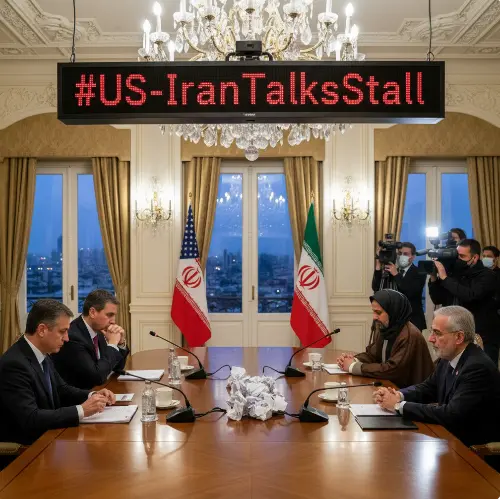
#US-IranTalksStall
Why Negotiations Broke Down and What It Means for Markets and Crypto
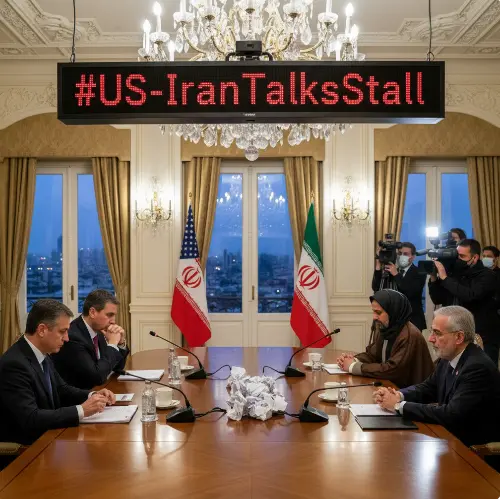
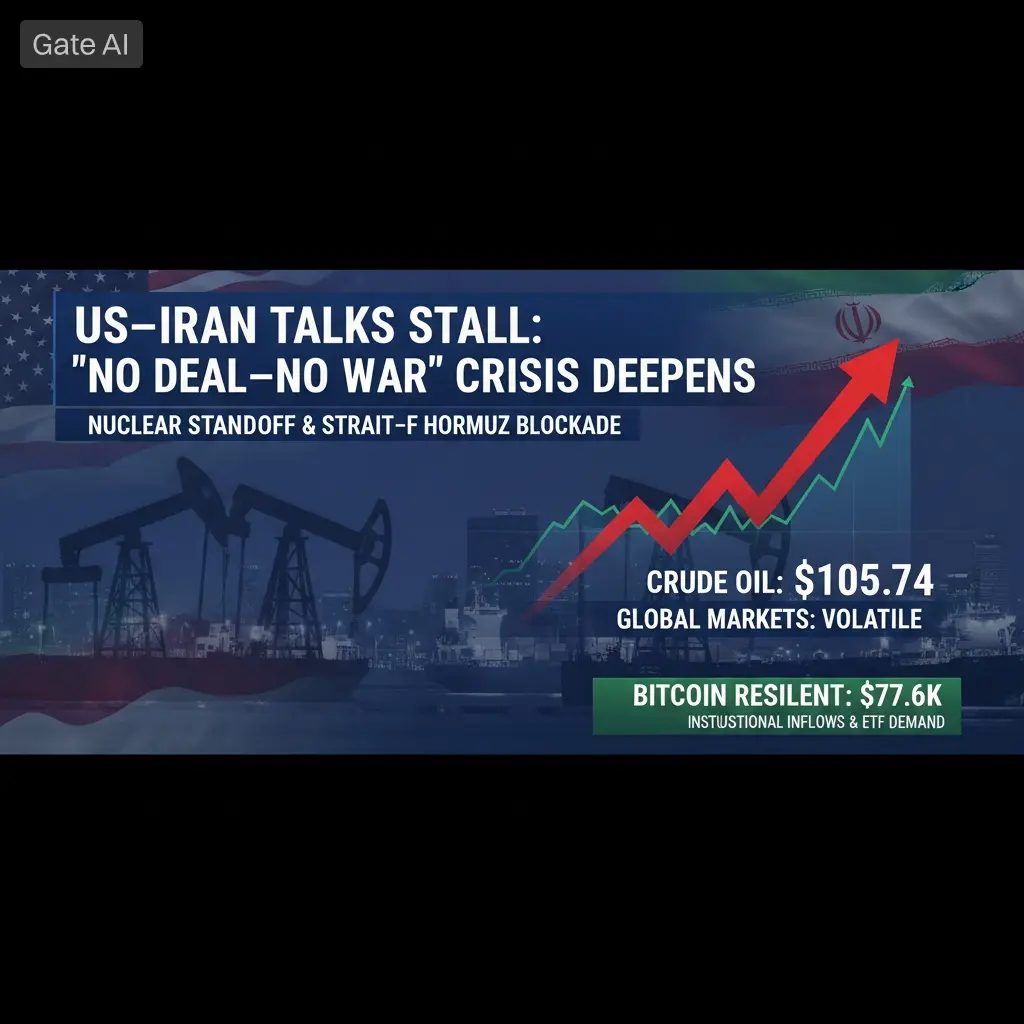
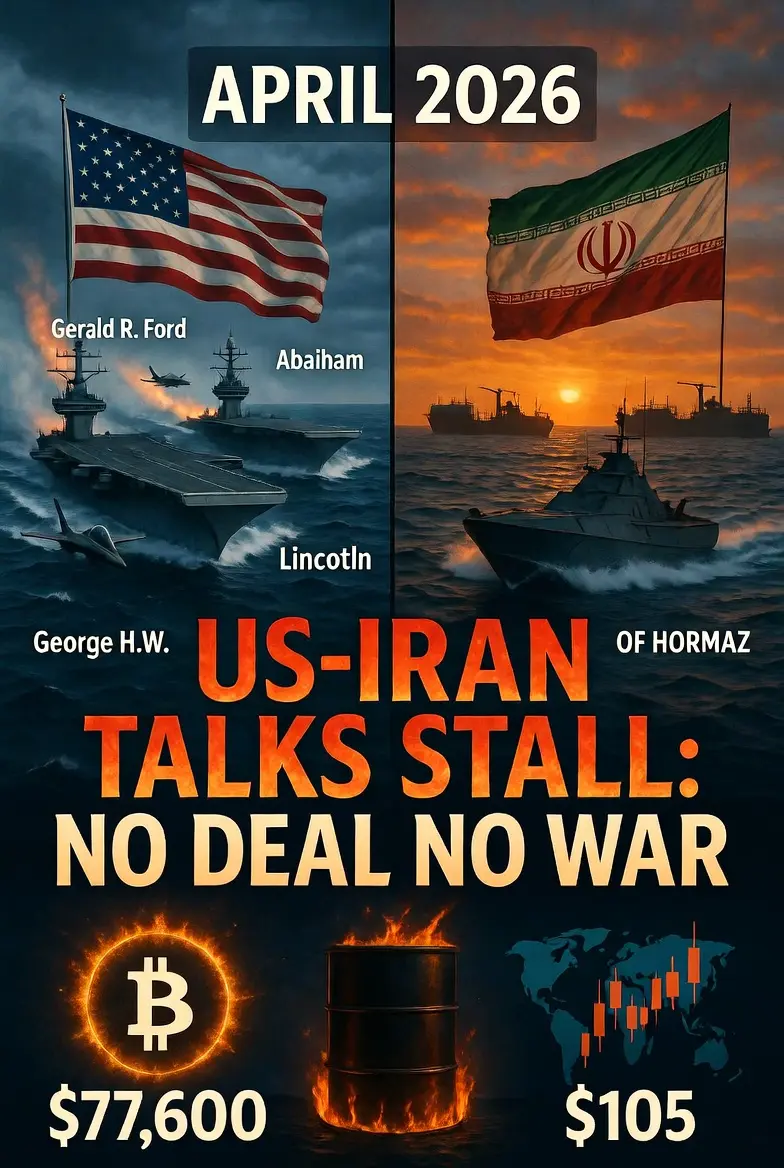
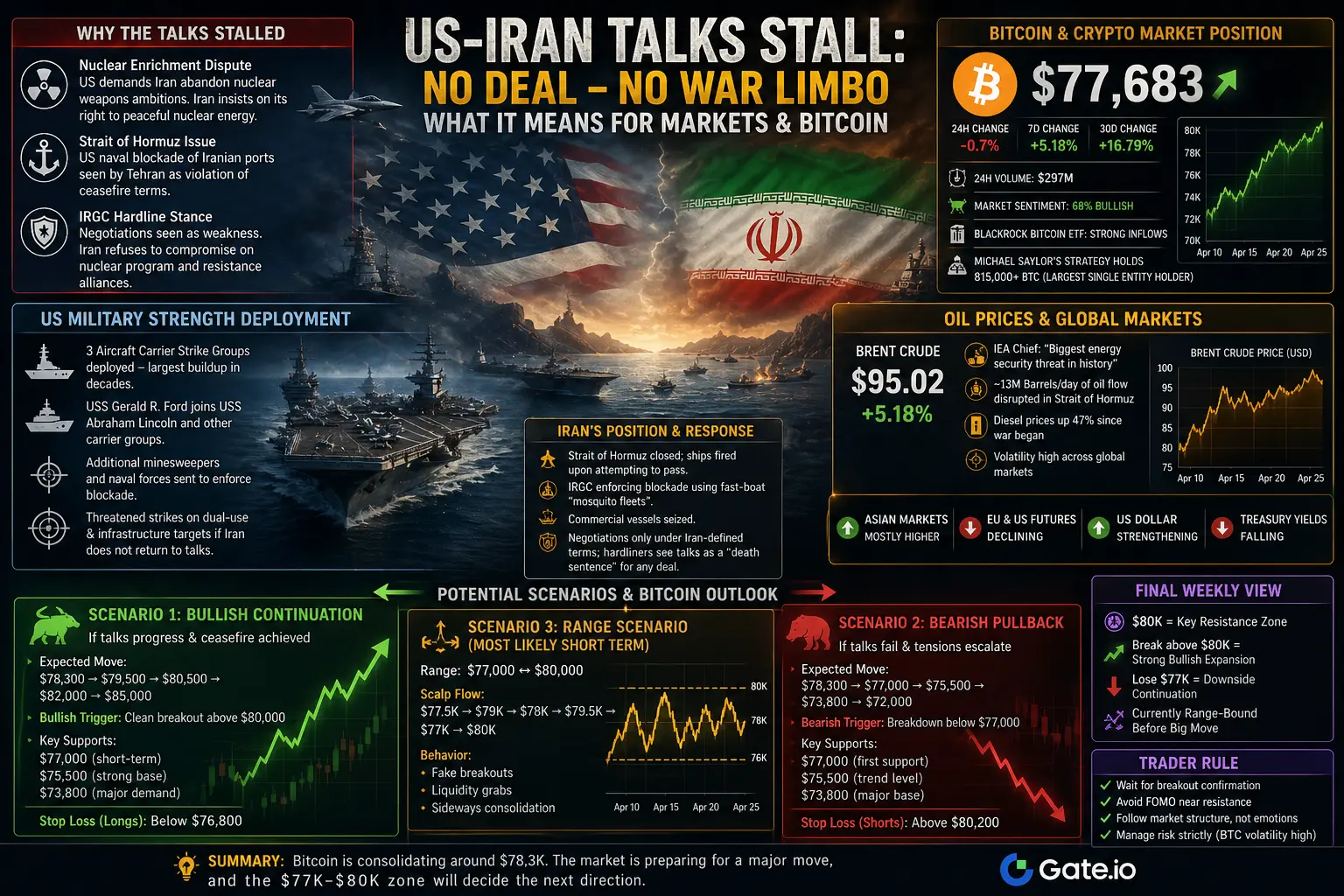
The headline dominating the last week of April 2026 is clear: US-Iran talks have once again failed to produce results. A second round of negotiations planned in Islamabad with Pakistan acting as mediator did not take place. The cease-fire was extended, but the two sides could not get to the table.
What Happened at the Table?
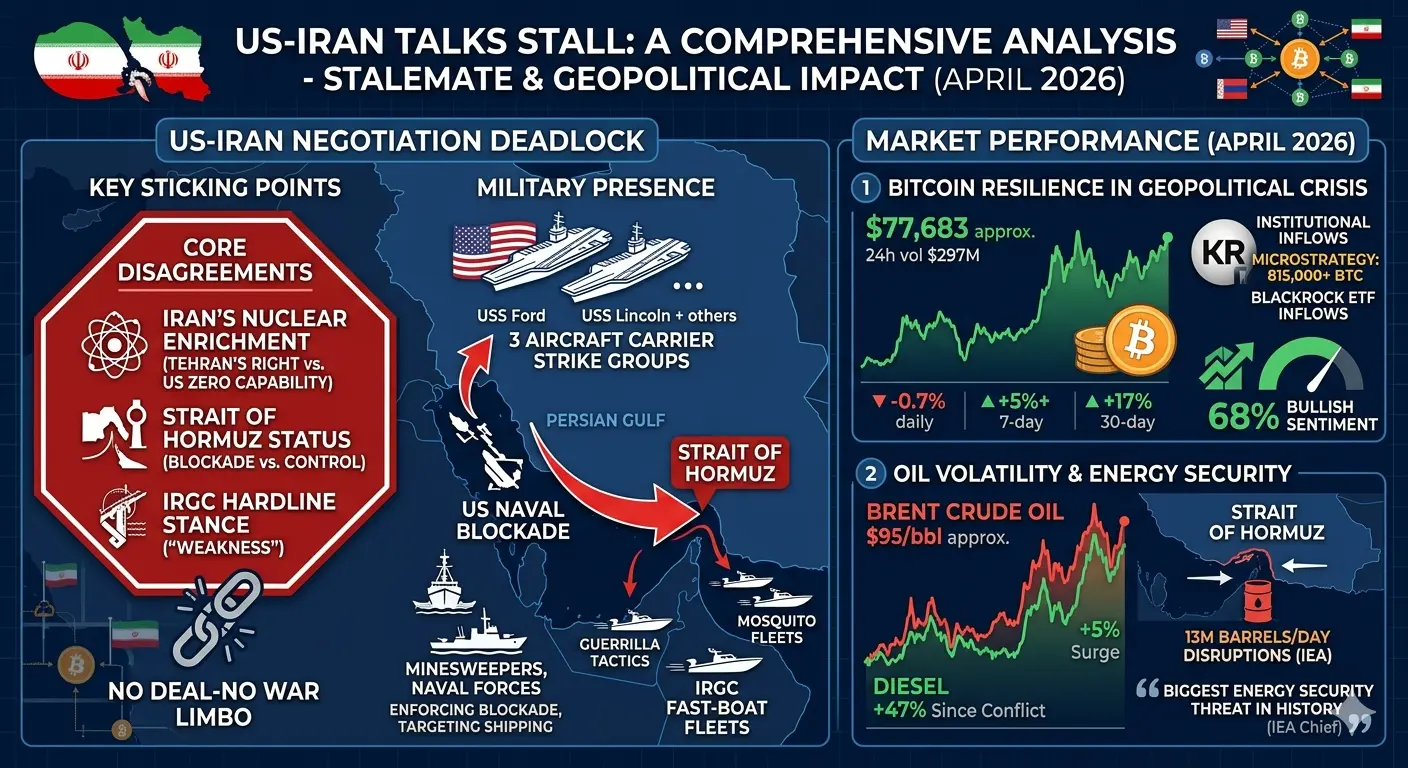
After 21 hours of discussions in Islamabad, US Vice President JD Vance stated that “we did not reach an agreement.” The US side said it demanded a “definitive commitment” from Iran that it would not possess nuclear weapons, but Iran refused to accept it.
Iran describes the US-imposed naval blockade as the “biggest obstacle to real negotiations.” The Speaker of Iran’s Parliament said that “reopening the Strait of Hormuz is not possible while a blatant violation of the cease-fire continues.” The US, meanwhile, extended the cease-fire indefinitely while maintaining the blockade.
Both sides are blaming each other. Tehran calls Washington’s demands “maximalist” and says the talks feel like a “death warrant.” Washington argues that the talks collapsed because Iran refuses to abandon its nuclear program. Pakistan says discussions will continue at the technical level, but there is no date set for official, high-level delegations.
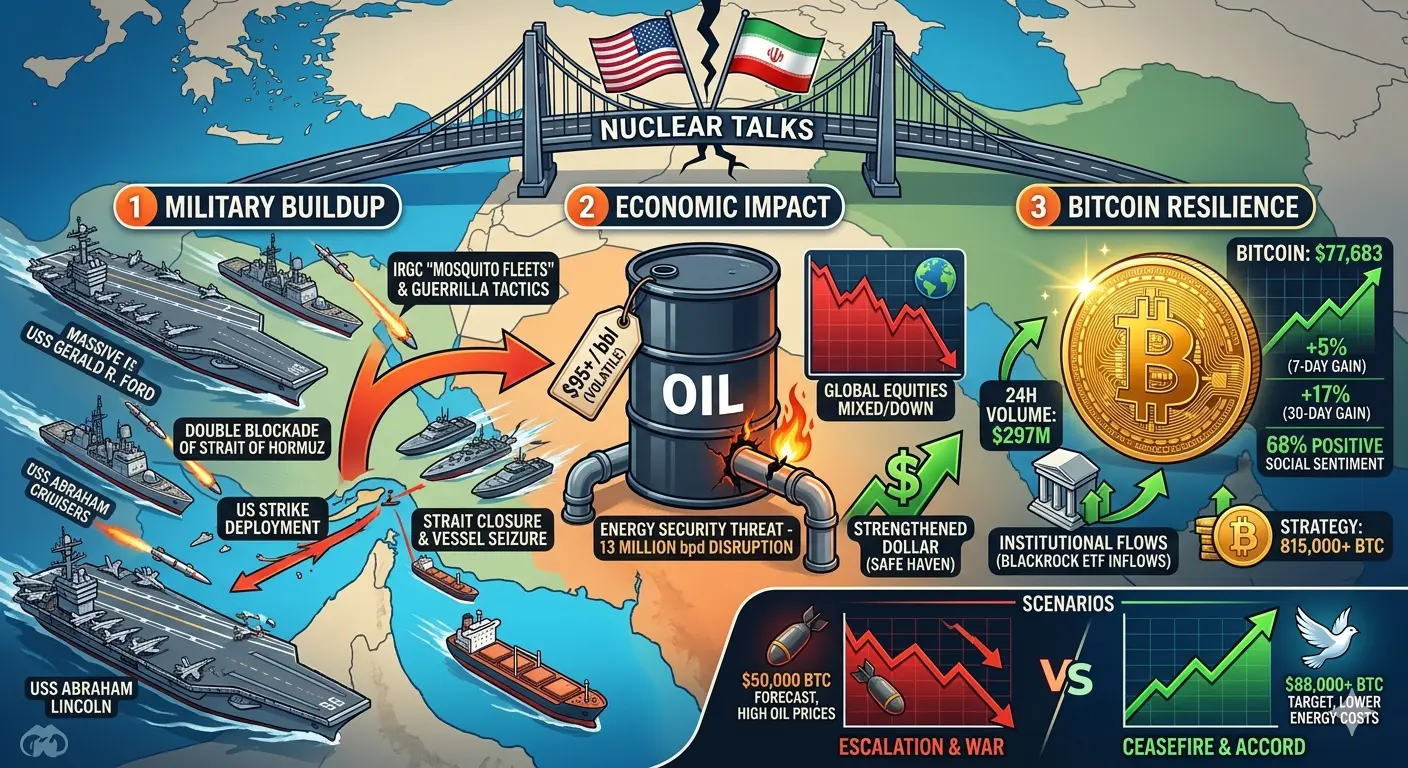
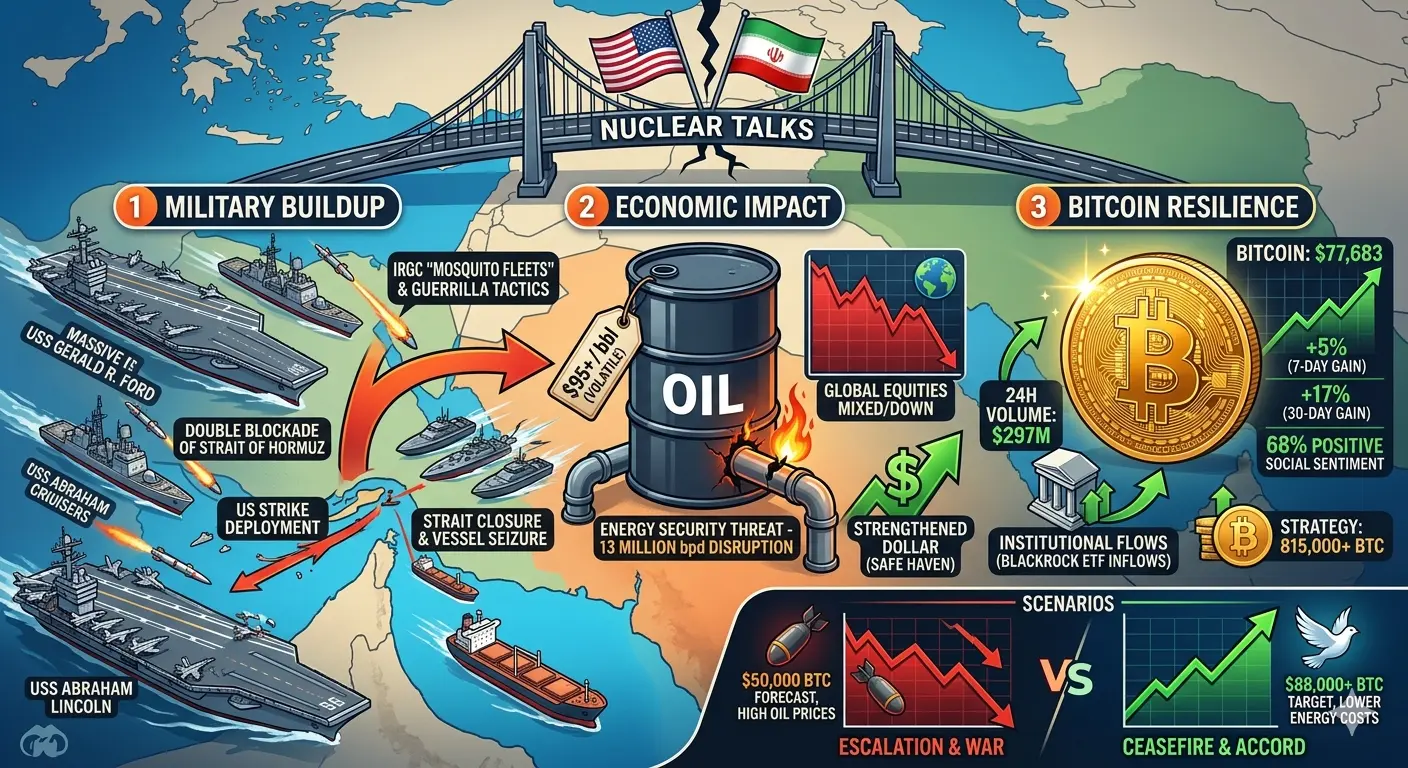
On the ground, tensions are rising. Although the cease-fire remains in place, Iran has seized two commercial ships in the Strait of Hormuz. The US Navy continues to impound Iran-linked tankers and has deployed additional minesweepers to the region.
How Geopolitical Risk Is Spilling Into Markets
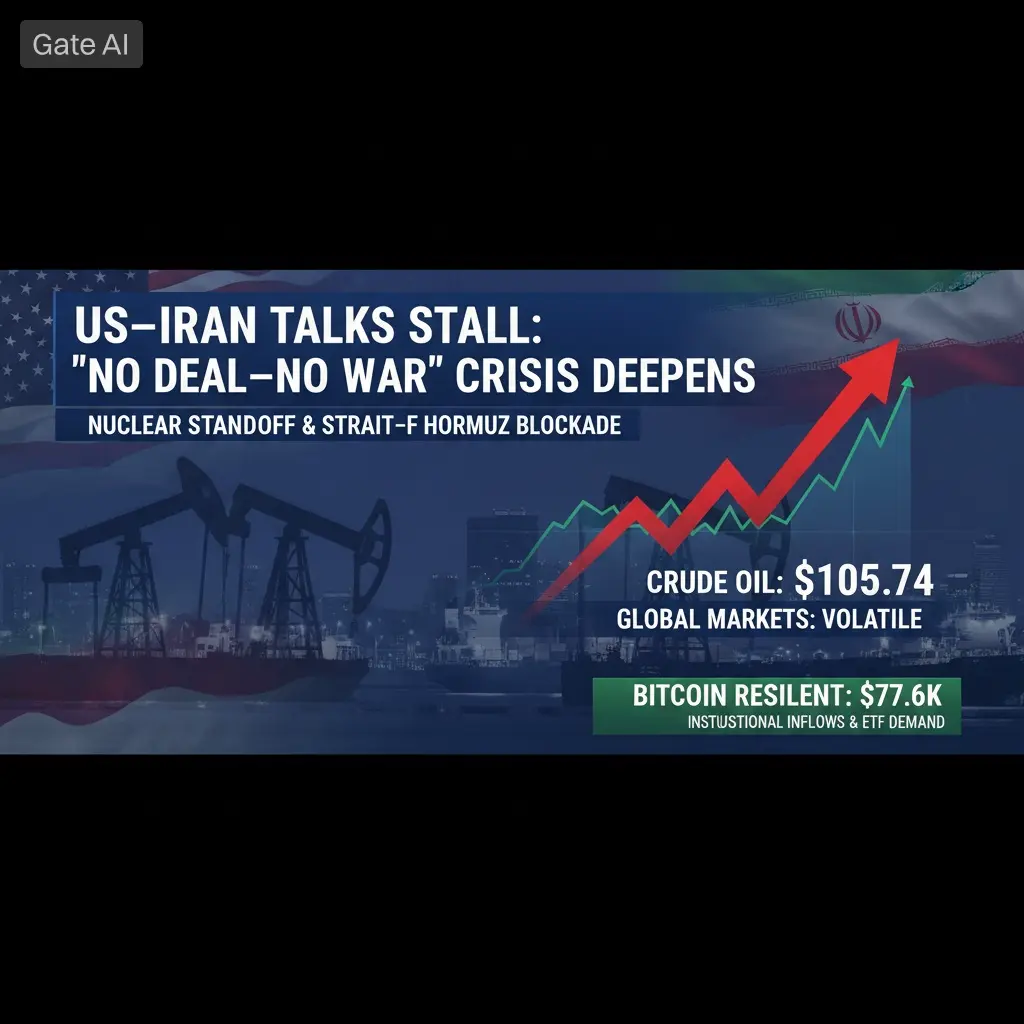
The breakdown has pushed oil prices back above $100 per barrel for Brent, because the Strait of Hormuz carries roughly 20% of the world’s oil. The threat of disruption from blockades and ship seizures is driving prices higher.
Stock markets have shifted into risk-off mode. The Dow, S&P 500, and Nasdaq all fell after news that the talks had failed. The CBOE Volatility Index climbed to 20.61, reflecting growing uncertainty.
In currency markets, the dollar strengthened. The pound and the euro weakened against the dollar due to Europe’s heavy dependence on energy imports, which makes it more vulnerable to oil shocks.
First, the “digital gold” narrative is back in focus. In geopolitical shocks, Bitcoin’s role as a safe haven is tested again. During the war that began after US-Israeli strikes on Iran on February 28, 2026, Bitcoin’s correlation with oil increased while it decoupled from gold. After the April deadlock, Bitcoin rose 4.2% in 24 hours, as tensions in Hormuz threaten to push both inflation and oil prices higher. Investors are looking for censorship-resistant assets as a hedge against risk in sanctioned regions.
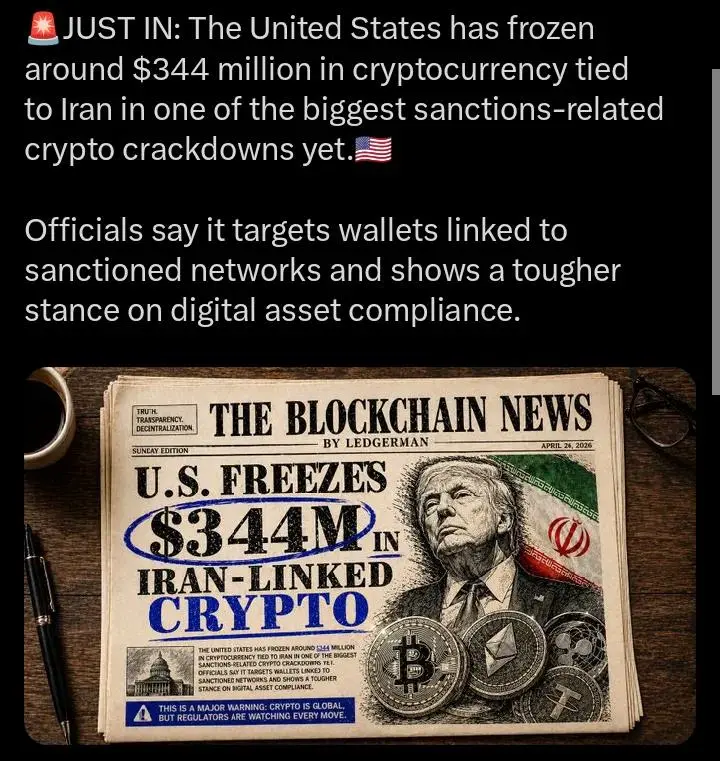
Second, sanctions and blockades tend to increase crypto usage. The US is enforcing a blockade that cuts off about 90% of Iran’s maritime trade, and US officials have openly stated that Iran is being left “without money.” Historically, Iran has turned to Bitcoin mining and USDT transfers to bypass sanctions. With negotiations collapsing, there is a growing expectation that Iran may lean more heavily on crypto-based trade channels, which could lead to a rise in on-chain activity linked to Iranian wallets.
Third, volatility is creating leverage washouts. When risk appetite drops in equities, liquidations follow in crypto derivatives markets. On April 13, 2026, the day news broke that the talks had failed, the Nasdaq dropped 0.36% and Bitcoin futures saw $180 million in long positions liquidated. In the short term, volatility is high. In the long term, the thesis that crypto can act as a geopolitical hedge is gaining strength.
Four Key Developments to Watch in the Coming Days
The first is a potential new negotiation date. Donald Trump said talks are “possible” within 36 to 72 hours. However, Iran’s Foreign Ministry says there is “no planned meeting.”
The second is the Strait of Hormuz. The US is increasing mine-clearing operations. If the strait closes, oil could hit $120 and Bitcoin would likely see a spike in volatility.
The third is the duration of the cease-fire. Trump extended it “indefinitely,” but gave a 3 to 5 day window. If that window closes without progress, military activity could escalate.
The fourth is the tone on social media. After the talks collapsed, commentary on Facebook and Instagram has largely blamed the US. That narrative is hardening public opinion inside Iran and shrinking the space for compromise.
The Bottom Line: Who Wants What?
The US red line is a “firm and permanent” Iranian pledge to reject nuclear weapons. Its complaint is that Iran is not bringing a proposal to the table.
Iran’s red line is the lifting of the blockade and an end to sanctions. Its complaint is that the US is imposing “maximalist” demands.
Pakistan wants to preserve its role as mediator. Its complaint is that neither side has sent a delegation yet.
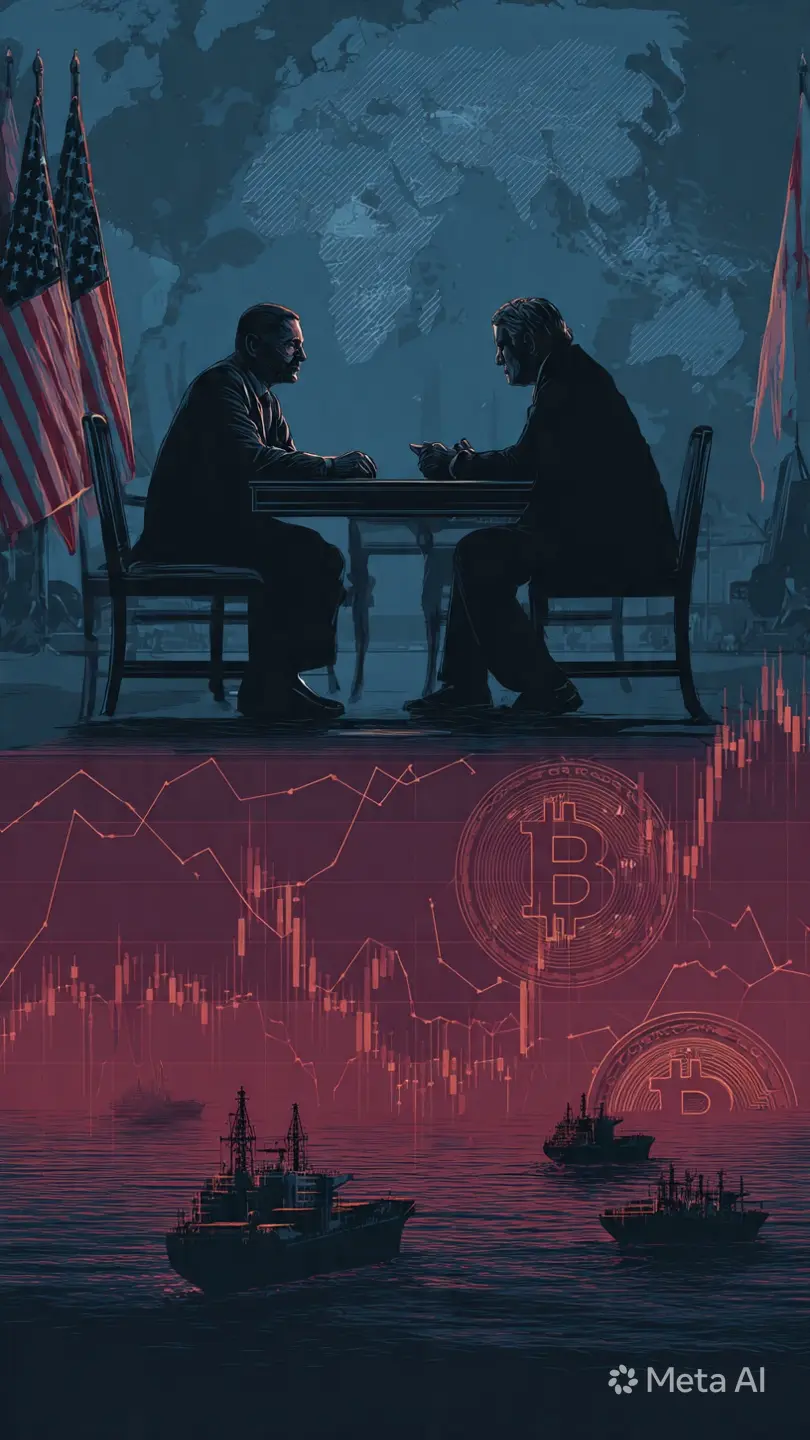
The #US-IranTalksStall tag does not just describe a diplomatic impasse. It captures a risk chain that runs from energy corridors all the way to crypto wallets. A tanker crisis in Hormuz or a new military move could move oil and Bitcoin at the same time. For now, markets are watching the Persian Gulf, not Islamabad, for the next headline.
#GateSquare #CreatorCarnival #ContentMining
Why Negotiations Broke Down and What It Means for Markets and Crypto
The headline dominating the last week of April 2026 is clear: US-Iran talks have once again failed to produce results. A second round of negotiations planned in Islamabad with Pakistan acting as mediator did not take place. The cease-fire was extended, but the two sides could not get to the table.
What Happened at the Table?
After 21 hours of discussions in Islamabad, US Vice President JD Vance stated that “we did not reach an agreement.” The US side said it demanded a “definitive commitment” from Iran that it would not possess nuclear weapons, but Iran refused to accept it.
Iran describes the US-imposed naval blockade as the “biggest obstacle to real negotiations.” The Speaker of Iran’s Parliament said that “reopening the Strait of Hormuz is not possible while a blatant violation of the cease-fire continues.” The US, meanwhile, extended the cease-fire indefinitely while maintaining the blockade.
Both sides are blaming each other. Tehran calls Washington’s demands “maximalist” and says the talks feel like a “death warrant.” Washington argues that the talks collapsed because Iran refuses to abandon its nuclear program. Pakistan says discussions will continue at the technical level, but there is no date set for official, high-level delegations.
On the ground, tensions are rising. Although the cease-fire remains in place, Iran has seized two commercial ships in the Strait of Hormuz. The US Navy continues to impound Iran-linked tankers and has deployed additional minesweepers to the region.
How Geopolitical Risk Is Spilling Into Markets
The breakdown has pushed oil prices back above $100 per barrel for Brent, because the Strait of Hormuz carries roughly 20% of the world’s oil. The threat of disruption from blockades and ship seizures is driving prices higher.
Stock markets have shifted into risk-off mode. The Dow, S&P 500, and Nasdaq all fell after news that the talks had failed. The CBOE Volatility Index climbed to 20.61, reflecting growing uncertainty.
In currency markets, the dollar strengthened. The pound and the euro weakened against the dollar due to Europe’s heavy dependence on energy imports, which makes it more vulnerable to oil shocks.
First, the “digital gold” narrative is back in focus. In geopolitical shocks, Bitcoin’s role as a safe haven is tested again. During the war that began after US-Israeli strikes on Iran on February 28, 2026, Bitcoin’s correlation with oil increased while it decoupled from gold. After the April deadlock, Bitcoin rose 4.2% in 24 hours, as tensions in Hormuz threaten to push both inflation and oil prices higher. Investors are looking for censorship-resistant assets as a hedge against risk in sanctioned regions.
Second, sanctions and blockades tend to increase crypto usage. The US is enforcing a blockade that cuts off about 90% of Iran’s maritime trade, and US officials have openly stated that Iran is being left “without money.” Historically, Iran has turned to Bitcoin mining and USDT transfers to bypass sanctions. With negotiations collapsing, there is a growing expectation that Iran may lean more heavily on crypto-based trade channels, which could lead to a rise in on-chain activity linked to Iranian wallets.
Third, volatility is creating leverage washouts. When risk appetite drops in equities, liquidations follow in crypto derivatives markets. On April 13, 2026, the day news broke that the talks had failed, the Nasdaq dropped 0.36% and Bitcoin futures saw $180 million in long positions liquidated. In the short term, volatility is high. In the long term, the thesis that crypto can act as a geopolitical hedge is gaining strength.
Four Key Developments to Watch in the Coming Days
The first is a potential new negotiation date. Donald Trump said talks are “possible” within 36 to 72 hours. However, Iran’s Foreign Ministry says there is “no planned meeting.”
The second is the Strait of Hormuz. The US is increasing mine-clearing operations. If the strait closes, oil could hit $120 and Bitcoin would likely see a spike in volatility.
The third is the duration of the cease-fire. Trump extended it “indefinitely,” but gave a 3 to 5 day window. If that window closes without progress, military activity could escalate.
The fourth is the tone on social media. After the talks collapsed, commentary on Facebook and Instagram has largely blamed the US. That narrative is hardening public opinion inside Iran and shrinking the space for compromise.
The Bottom Line: Who Wants What?
The US red line is a “firm and permanent” Iranian pledge to reject nuclear weapons. Its complaint is that Iran is not bringing a proposal to the table.
Iran’s red line is the lifting of the blockade and an end to sanctions. Its complaint is that the US is imposing “maximalist” demands.
Pakistan wants to preserve its role as mediator. Its complaint is that neither side has sent a delegation yet.
The #US-IranTalksStall tag does not just describe a diplomatic impasse. It captures a risk chain that runs from energy corridors all the way to crypto wallets. A tanker crisis in Hormuz or a new military move could move oil and Bitcoin at the same time. For now, markets are watching the Persian Gulf, not Islamabad, for the next headline.
#GateSquare #CreatorCarnival #ContentMining