
Futures
Access hundreds of perpetual contracts
TradFi
Gold
One platform for global traditional assets
Options
Hot
Trade European-style vanilla options
Unified Account
Maximize your capital efficiency
Demo Trading
Introduction to Futures Trading
Learn the basics of futures trading
Futures Events
Join events to earn rewards
Demo Trading
Use virtual funds to practice risk-free trading
Launch
CandyDrop
Collect candies to earn airdrops
Launchpool
Quick staking, earn potential new tokens
HODLer Airdrop
Hold GT and get massive airdrops for free
Launchpad
Be early to the next big token project
Alpha Points
Trade on-chain assets and earn airdrops
Futures Points
Earn futures points and claim airdrop rewards


More




Iranian FM Warns Of Regional Nuclear Fallout Following Bushehr Strike
(MENAFN- Trend News Agency) ** BAKU, Azerbaijan, April 4.** Any radiation at Iran’s Bushehr Nuclear Power Plant can destroy the capitals of the Gulf Cooperation Council member states instead of Tehran, Iranian Foreign Minister Seyed Abbas Araghchi wrote on his X page, Trend reports.
According to him, the U.S. and Israel have bombed the Bushehr NPP four times so far.
Aragchi said that attacks on Iran’s petrochemical infrastructure also show the goals of the opposing sides.
A missile hit the Bushehr NPP today, amid U.S. and Israeli airstrikes against Iran. As a result, one of the plant’s guards was killed.
On February 28, the United States and Israel launched military operations against Iran, striking major cities, including Tehran. The White House cited missile and nuclear threats originating from the Islamic Republic as justification for the attacks. The strikes reportedly killed Iran’s Supreme Leader, Ayatollah Ali Khamenei, along with several other senior officials. In response, Iran’s Islamic Revolutionary Guard Corps announced a large-scale retaliatory operation against Israel and has targeted U.S. facilities across Bahrain, Jordan, Iraq, Qatar, Kuwait, the UAE, Oman, Saudi Arabia, and Syria using ballistic missiles, cruise missiles, and drones.
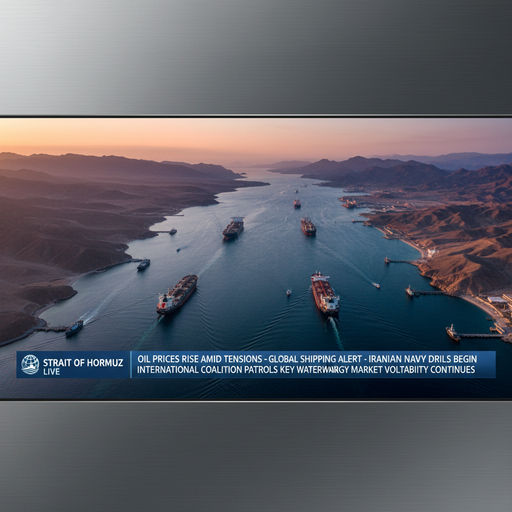
The conflict has placed the region’s energy infrastructure and maritime shipping under serious threat. Due to security tensions in the Strait of Hormuz, global oil prices have risen significantly. Iran fully controls the Strait of Hormuz and allows passage only to vessels it deems necessary.
MENAFN04042026000187011040ID1110942302