

Trade
Basic
Futures
Futures
Hundreds of contracts settled in USDT or BTC
TradFi
Gold
Trade global traditional assets with USDT in one place
Options
Hot
Trade European-style vanilla options
Unified Account
Maximize your capital efficiency
Demo Trading
Futures Kickoff
Get prepared for your futures trading
Futures Events
Participate in events to win generous rewards
Demo Trading
Use virtual funds to experience risk-free trading
Earn
Launch
CandyDrop
Collect candies to earn airdrops
Launchpool
Quick staking, earn potential new tokens
HODLer Airdrop
Hold GT and get massive airdrops for free
Launchpad
Be early to the next big token project
Alpha Points
Trade on-chain assets and enjoy airdrop rewards!
Futures Points
Earn futures points and claim airdrop rewards
Investment
Simple Earn
Earn interests with idle tokens
Auto-Invest
Auto-invest on a regular basis
Dual Investment
Buy low and sell high to take profits from price fluctuations
Soft Staking
Earn rewards with flexible staking
Crypto Loan
0 Fees
Pledge one crypto to borrow another
Lending Center
One-stop lending hub
VIP Wealth Hub
Customized wealth management empowers your assets growth
Private Wealth Management
Customized asset management to grow your digital assets
Quant Fund
Top asset management team helps you profit without hassle
Staking
Stake cryptos to earn in PoS products
Smart Leverage
New
No forced liquidation before maturity, worry-free leveraged gains
GUSD Minting
Use USDT/USDC to mint GUSD for treasury-level yields

More


Trending Topics
View More63.16K Popularity
134.43K Popularity
195.6K Popularity
20.29K Popularity
11.35K Popularity



Pin
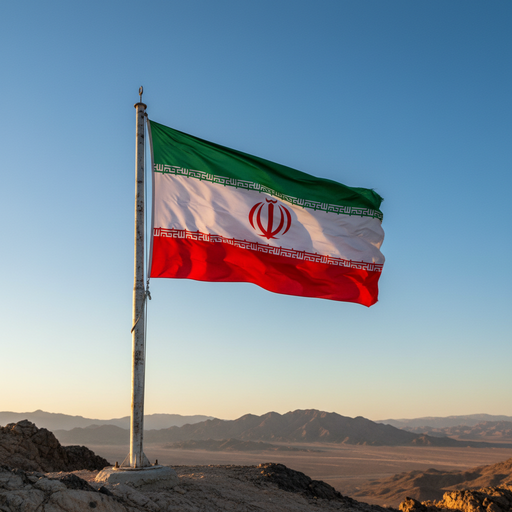
#USIranTensionsImpactMarkets
The geopolitical tensions between the United States and Iran once again create waves in the global financial markets. Every time tensions escalate between these two countries, investors quickly shift into risk management mode — and 2026 proves to be no different.
Market Response Immediately
Pressure on Stocks
Global stock indices typically react negatively to rising geopolitical tensions. Investors reduce exposure to risky assets, causing short-term volatility spikes in major markets in the US, Europe, and Asia.
Oil Prices Surge
Oil markets often respond first. Since Iran is a key player in the global energy supply chain, any threat to regional stability — especially around strategic shipping routes — can push crude oil prices higher. Rising oil prices can increase global inflation concerns.
Gold Gains Safe-Haven Demand
Gold has historically benefited during geopolitical instability. Investors move capital into precious metals as a defensive hedge against uncertainty and currency volatility.
Cryptocurrency Market Response
The crypto market initially tends to react with sharp volatility. During the early phase of tension:
Bitcoin may experience rapid sell-offs as traders reduce leverage.
Short liquidations can then trigger quick rebounds.
Altcoins often show amplified volatility compared to Bitcoin.
Interestingly, in recent years, Bitcoin has sometimes behaved as a “digital hedge,” recovering quickly after initial panic. This reflects the maturing markets and deeper liquidity compared to previous cycles.
Bond Yields & Dollar Strength
During geopolitical crises:
US Treasury bonds often see increased demand.
The US dollar typically strengthens as the global reserve currency.
Emerging market currencies may face temporary pressure.
These changes indirectly affect crypto and stocks through liquidity conditions.
Inflation & Global Economic Concerns
If tensions disrupt oil supply chains:
Energy prices rise
Transportation costs increase
Inflationary pressures intensify
Higher inflation can influence central bank policies, potentially delaying interest rate cuts or tightening liquidity conditions — factors that significantly impact crypto and growth assets.
Short-Term vs Long-Term Outlook
Short-Term:
Volatility increases across stocks, crypto, and commodities
Risk-off sentiment dominates trading sessions
Rapid intraday price movements
Medium-Term:
Markets stabilize if tensions ease
Safe-haven assets consolidate gains
Risk assets rebound as uncertainty diminishes
Long-Term:
Historically, unless tensions escalate into prolonged conflicts, financial markets tend to recover after initial shocks. Investors’ focus eventually shifts back to economic fundamentals, earnings growth, and monetary policy.
Strategic Considerations for Traders
Avoid emotional decision-making during headline-driven volatility.
Monitor oil prices and bond yields for macro directional clues.
Watch Bitcoin support and resistance levels for momentum signals.
Diversification remains key during geopolitical uncertainty.
Final Thoughts
#USIranTensionsImpactMarkets highlights how interconnected the global financial system is today. Geopolitical developments between the United States and Iran can influence everything from oil prices to cryptocurrencies within hours.
While volatility may persist in the short term, markets have historically adapted and stabilized once clarity emerges. For investors and traders, understanding the macro context is crucial in navigating uncertainty and identifying opportunities amid disruptions.