What is the minimum amount needed to start investing in Bitcoin?

12-20-2025, 8:02:04 AM
Bitcoin
Crypto Tutorial
Ethereum
How to buy crypto
Investing In Crypto
Article Rating : 4.5
half-star
103 ratings
Find out how much you need at minimum to start investing in Bitcoin. Our guide explains the smallest units of leading cryptocurrencies and offers strategies for beginners looking to invest modest amounts. It also explores practical use cases and highlights why divisibility matters. Perfect for crypto asset newcomers!
What is the minimum amount needed to start investing in Bitcoin?

How Much Is a Minimum Unit Worth? Complete Guide to Values and Conversions

Introduction

When we talk about how much a minimum unit is worth, it’s crucial to understand that the term applies to various contexts within the cryptocurrency and digital finance markets. A “minimum unit” can refer to the smallest denomination of a cryptocurrency, the smallest tradable amount on an exchange, or the minimum value required for certain transactions. This guide covers all facets of this key concept for anyone trading in the crypto market.

What Is a Minimum Unit in Cryptocurrency?

To determine how much a minimum unit is worth, we first need to define what it means. In the crypto world, a minimum unit usually signifies the smallest divisible fraction of a digital asset. Just as the dollar splits into cents, cryptocurrencies have their own smallest units.

Minimum Units of Major Cryptocurrencies

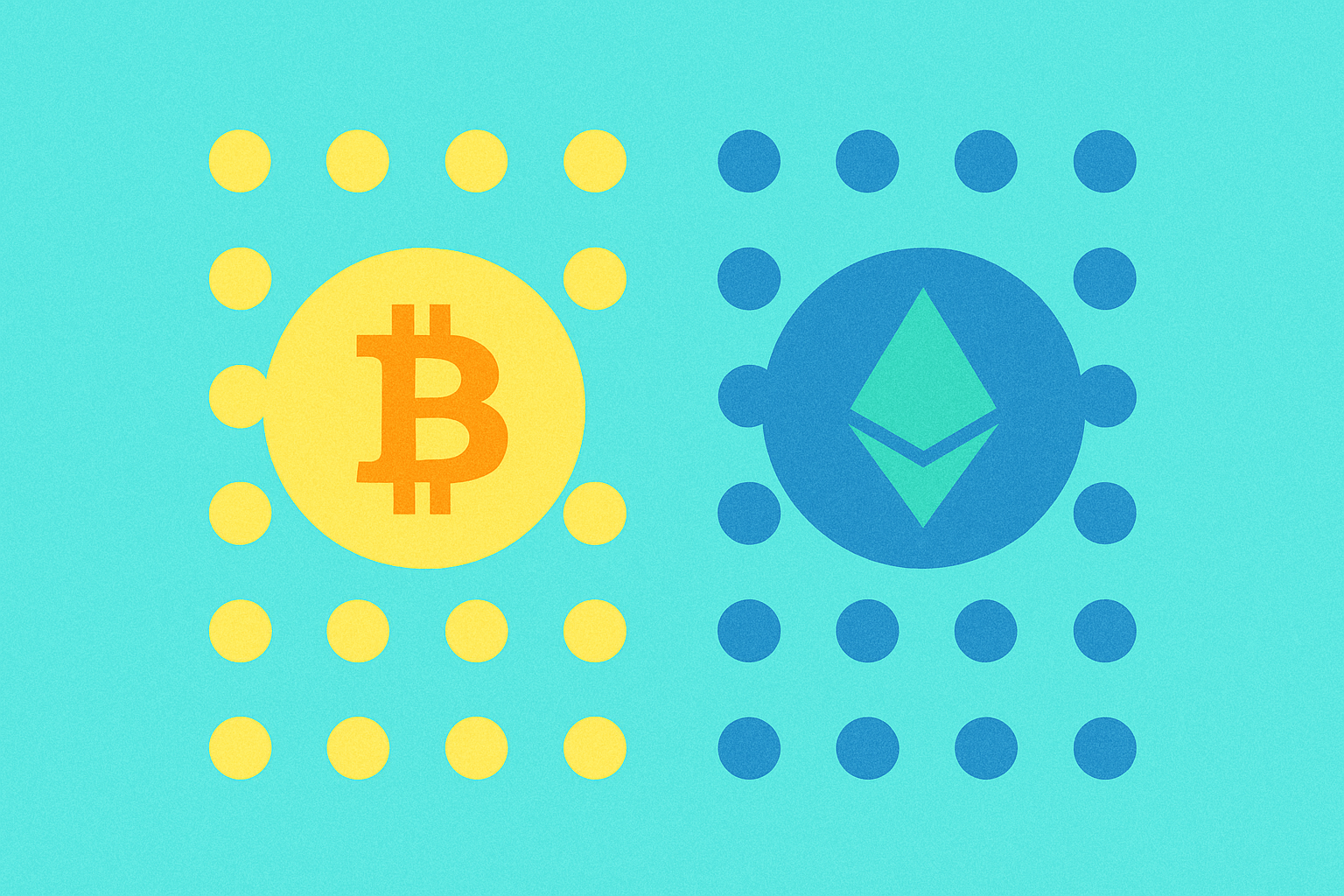
  • Bitcoin (BTC): The smallest unit is the Satoshi (0.00000001 BTC)
  • Ethereum (ETH): The smallest unit is the Wei (0.000000000000000001 ETH)
  • Other altcoins: Each has its own minimum denomination

How Much Is a Minimum Unit Worth in Different Cryptocurrencies?

The value of a minimum unit depends on the cryptocurrency and current market conditions. Here’s a closer look:

Bitcoin – Satoshi

One Satoshi equals 0.00000001 BTC. With Bitcoin’s high market price, even tiny fractions hold measurable value. Satoshis are essential for microtransactions and small trades.

Ethereum – Wei

Wei is Ethereum’s smallest unit and is highly fractionalized. This divisibility enables precise smart contracts and very small transactions on the Ethereum network.

Other Cryptocurrencies

Each cryptocurrency protocol defines its own minimum unit. How much a minimum unit is worth always depends on the current value of the underlying asset.

Factors That Affect the Value of a Minimum Unit

To understand how much a minimum unit is worth, consider several key factors:

1. Base Cryptocurrency Price

The minimum unit’s value is directly tied to the price of the main cryptocurrency. As the asset’s price rises, its smallest fraction becomes more valuable.

2. Market Volatility

Cryptocurrency markets are famously volatile, so the value of a minimum unit can change dramatically in short periods.

3. Liquidity

An asset’s liquidity impacts how easily minimum units can be traded across exchanges.

Minimum Values on Exchanges

When asking how much a minimum unit is worth, also consider the minimum values set by trading platforms:

Minimum Deposits

Most major exchanges require minimum deposit amounts, which vary by cryptocurrency and platform.

Minimum Orders

To place buy or sell orders, platforms typically set minimums, often between $10 and $50 USD equivalent.

Minimum Withdrawals

Minimum withdrawal amounts also differ by cryptocurrency and platform, so always check requirements before trading.

Practical Uses for Minimum Units

Knowing how much a minimum unit is worth helps in several scenarios:

Microtransactions

Minimum units make it possible to process very small payments, critical for:

  • Digital content payments
  • Micropayments in gaming
  • Loyalty program rewards
  • Online tipping

DCA (Dollar Cost Averaging)

Investors use minimum units for gradual investment strategies, buying small amounts at regular intervals.

Testing and Learning

Beginners can use minimum amounts to learn the market with minimal financial risk.

How to Calculate the Value of a Minimum Unit

To determine how much a minimum unit is worth in fiat:

  1. Identify the cryptocurrency’s smallest unit
  2. Check the asset’s current price
  3. Multiply the price by the smallest fraction
  4. Convert to your local currency as needed

Example

If Bitcoin trades at $45,000 USD:

  • 1 Satoshi = 0.00000001 BTC
  • 1 Satoshi = $45,000 × 0.00000001 = $0.00045 USD

Why Divisibility Matters in Crypto

Addressing how much a minimum unit is worth highlights the importance of divisibility:

Accessibility

High divisibility allows investors of all sizes to participate, even with small amounts of capital.

Precision

Minimum units enable precise transactions, vital for smart contracts and decentralized applications.

Scalability

Divisibility lets cryptocurrencies grow in value without losing support for small transactions.

Fees and Minimum Values

When considering how much a minimum unit is worth, don’t forget about fees:

Network Fees

Blockchain transaction fees can sometimes exceed the value of minimum units, making microtransactions uneconomical at times.

Platform Fees

Trading platforms charge fees that must be considered when working with minimum values.

Second-Layer Solutions

Technologies like Lightning Network for Bitcoin offer ways to make small transactions with lower fees.

International Comparison of Minimum Values

How much a minimum unit is worth can differ by region:

Regional Variations

  • Minimum values may be adjusted for local purchasing power
  • Some platforms set country-specific minimums
  • Currency conversion affects perceived value

Local Regulations

Local financial regulations can set or restrict minimum values allowed in each market.

Strategies for Trading with Minimum Values

If you want to understand how much a minimum unit is worth and use it effectively:

Gradual Accumulation

Buying small amounts regularly helps build a position over time.

Accessible Diversification

Minimum values let you diversify across assets even with limited funds.

Risk Management

Trading with minimum values first lets you test strategies at lower risk.

The Future of Minimum Units

The topic of how much a minimum unit is worth will keep evolving:

Technological Innovation

Emerging technologies promise easier and more cost-effective small-value transactions.

Mass Adoption

As crypto becomes mainstream, minimum units will play a greater role in daily commerce.

Emerging Standards

New standards may develop to simplify using minimum units in everyday applications.

Conclusion

Understanding how much a minimum unit is worth is vital for anyone in crypto. The value of minimum units is tied to the price of major assets and changes with the market. From Bitcoin’s Satoshi to Ethereum’s Wei, these fractions provide accessibility, precision, and flexibility in the crypto ecosystem.

Whether you’re making microtransactions, using gradual investment strategies, or simply want to understand crypto better, knowing the value and uses of minimum units is key. As the market matures and technology advances, these fractions will become even more important for digital finance.

Always check current market prices, factor in fees, and use trustworthy platforms—no matter the transaction size.

FAQ

What is a minimum unit?

A minimum unit is the smallest tradable quantity in cryptocurrency trading, representing the smallest price increment allowed. It sets the precision for quotes and affects the minimum spread between bid and ask prices.

* The information is not intended to be and does not constitute financial advice or any other recommendation of any sort offered or endorsed by Gate.
Related Articles
How to Redeem Physical Bitcoin: Step-by-Step Guide

How to Redeem Physical Bitcoin: Step-by-Step Guide

This article provides a comprehensive guide on redeeming physical Bitcoin, catering to collectors and investors aiming to access the digital asset contained within these tangible representations. It outlines the steps to verify and extract private keys securely, transfer Bitcoin to a digital wallet, and evaluate the impact on the collectible's market value. The content emphasizes crucial techniques and precautions for maintaining both the crypto and numismatic worth of physical Bitcoin, appealing to individuals interested in cryptocurrency asset management and collectibles.
9-4-2025, 6:45:58 PM
How to Buy Bitcoin With Routing and Account Number, Full Process Explained

How to Buy Bitcoin With Routing and Account Number, Full Process Explained

This article demystifies the process of buying Bitcoin using routing and account numbers, highlighting the advantages of bank transfers for cryptocurrency purchases. It targets investors seeking easier access to digital assets without high fees and complex systems. Key topics include streamlined steps for transactions, security measures for safeguarding financial information, and the significance of greater financial accessibility through bank accounts. Readers will gain insights into efficient, secure purchasing methods and the transformative impact of banking integration in the crypto space. Gate is emphasized as a leading exchange offering competitive fees and robust security.
11-18-2025, 4:08:47 AM
What is Dollar Cost Averaging (DCA) in Crypto Assets? Analysis of strategies and mechanisms.

What is Dollar Cost Averaging (DCA) in Crypto Assets? Analysis of strategies and mechanisms.

This article explores the concept of Dollar Cost Averaging (DCA) as a strategic approach to investing in Crypto Assets, emphasizing its ability to reduce emotional decision-making and provide stability in volatile markets. It explains how DCA lowers risk and improves investment outcomes, offering practical guidance for implementation via trading platforms like Gate compared to lump-sum investing. Suitable for beginners and investors seeking systematic long-term gains, the article highlights the benefits of DCA in reducing average costs and enhancing recovery period returns. Key sections cover the DCA mechanism, implementation techniques, strategic comparisons, and risk management advantages.
11-21-2025, 3:09:24 AM
How Many Quarters Make a Dollar?

How Many Quarters Make a Dollar?

This article explores the fundamental concept that four quarters make a dollar and delves into its significance in American currency history, financial literacy, and cryptocurrency understanding. It connects the quarter's historical and material evolution to broader financial systems, offering readers a conceptual bridge between traditional and digital currencies. The article addresses practical financial applications, enhancing monetary comprehension for both cash and crypto transactions. Aimed at educators and cryptocurrency beginners, it uses the quarter-dollar relationship to simplify complex concepts in fractional systems, while highlighting Gate's role in facilitating this educational transition. Keywords: quarters, dollar, fractional currency, cryptocurrency, financial literacy, Gate.
11-7-2025, 4:13:28 AM
Unlocking Wealth: Strategic Approaches to Bitcoin Investing

Unlocking Wealth: Strategic Approaches to Bitcoin Investing

Explore strategic Bitcoin investing approaches, emphasizing key concepts like market status, influential factors, and investment strategies. This article guides investors in navigating Bitcoin's high volatility through effective risk management, long-term holding, and technical analysis. Novice investors will learn how to purchase Bitcoin securely on platforms like Gate. Essential for individuals seeking to leverage opportunities in the digital asset market, this resource provides practical insights and answers common Bitcoin-related questions, enhancing investment confidence and decision-making. Ideal for quick scanning, catering to both new and seasoned investors.
10-31-2025, 8:37:10 AM
Understanding Dollar Cost Averaging: A Guide for Investors

Understanding Dollar Cost Averaging: A Guide for Investors

This article demystifies Dollar-Cost Averaging (DCA) in cryptocurrency investment, highlighting its advantages and disadvantages. It aims to inform long-term investors on using DCA to reduce cost basis and navigate market volatility. Readers will learn how to implement DCA via scheduled purchases or price alerts on platforms like Gate, understand alternatives to DCA, and decide if this strategy aligns with their financial goals. Keywords: DCA, crypto, long-term investment, market volatility, cost basis reduction, Gate.
10-29-2025, 9:44:18 AM
Recommended for You
Nasdaq's Shift Away From Crypto Custody Amid Regulatory Scrutiny

Nasdaq's Shift Away From Crypto Custody Amid Regulatory Scrutiny

This article explores Nasdaq's decision to pause its crypto custody business amid regulatory scrutiny, highlighting trading halts in the cryptocurrency market. It covers the mechanics, triggers, and implications of trading halts, while discussing their impact on trader autonomy and market stability. Additionally, it presents self-custodial wallets as a way to avoid exchange-imposed halts. Essential for traders navigating the evolving digital asset ecosystem, the article offers insights into institutional shifts and protective measures against market volatility.
12-20-2025, 9:35:36 AM
What is AGI token? A complete fundamentals analysis guide for 2025
What is AGI token? A complete fundamentals analysis guide for 2025

This article provides an in-depth analysis of the AGI token, highlighting how it integrates Artificial General Intelligence with decentralized blockchain to revolutionize AI service delivery. It addresses demand for scalable AI solutions, catering to industry experts and investors interested in decentralized AI infrastructure. The content is structured around AGI's vision, multi-dimensional use cases, technical innovations, and roadmap execution. Keywords such as "decentralized AI," "blockchain," "LLM," and "reinforcement learning" are emphasized for quick comprehension. Readers gain insights into AGI token’s market impact and future trajectory within the evolving AI landscape.
12-20-2025, 9:35:26 AM
Hedging Strategies for Bitcoin Miners to Secure Revenue

Hedging Strategies for Bitcoin Miners to Secure Revenue

This article explores hedging strategies for Bitcoin miners seeking to secure revenue amidst market volatility. It explains the concept of hedging in crypto trading, detailing various methods such as options, futures, perpetuals, short selling, and inverse ETFs, and their pros and cons. Designed for miners facing operational challenges and income fluctuations, the article offers insights into risk management and revenue protection. The structured analysis aids miners in selecting appropriate strategies to ensure sustainable operations. By optimizing these techniques, miners can maintain income stability regardless of market conditions.
12-20-2025, 9:33:33 AM
2025 ACE Price Prediction: Expert Analysis and Market Forecast for the Next Bull Run
2025 ACE Price Prediction: Expert Analysis and Market Forecast for the Next Bull Run

The article examines the price prediction for Fusionist (ACE) from 2025 to 2030, highlighting its market position in the Web3 gaming sector since its debut in November 2023. It offers an in-depth analysis of ACE's price changes, current status, and factors influencing future prices, such as technological advancements and macroeconomic conditions. The text caters to investors by presenting professional investment strategies and risk management advice. Key topics include ACE's historical performance, market sentiment, price forecasts, and trading strategies on Gate. Suitable for Web3 gaming enthusiasts and investors seeking insight into ACE's investment potential, the article concludes with actionable investment recommendations.
12-20-2025, 9:32:38 AM
What are the SEC compliance and regulatory risks for USDon tokenized assets in 2025?

What are the SEC compliance and regulatory risks for USDon tokenized assets in 2025?

This article examines the evolving landscape of SEC compliance and regulatory risks surrounding USDon tokenized assets by 2025. It highlights the SEC's supportive stance on tokenized assets, marked by the closure of Ondo Finance's investigation and DTCC's blockchain initiatives. The piece outlines USDon's innovative hybrid compliance structure blending traditional finance with blockchain, addressing KYC/AML standards and the operational challenges of tokenized securities within regulatory gray zones. Key audiences include institutional investors and compliance professionals aiming for strategic agility and operational compliance within evolving digital asset frameworks.
12-20-2025, 9:32:05 AM
2025 DENT Price Prediction: Expert Analysis and Market Forecast for the Upcoming Year

2025 DENT Price Prediction: Expert Analysis and Market Forecast for the Upcoming Year

This article provides an expert analysis of DENT's market position and its future potential in the blockchain-based mobile data trading space. It reviews DENT's historical price evolution, current market status, and examines factors influencing its future price, including macroeconomic conditions and market sentiment. The article also offers a detailed price forecast for 2025-2030, outlines investment strategies, and discusses risk management tips for DENT investors. Aimed at beginners, experienced investors, and institutions, this piece is a comprehensive guide for those intrigued by DENT's role in telecommunications and blockchain innovation.
12-20-2025, 9:31:58 AM