What is HEMI: A Comprehensive Guide to Chrysler's Revolutionary Engine Technology

Hemi (HEMI) Comprehensive Analysis Report
Hemi's Positioning and Significance
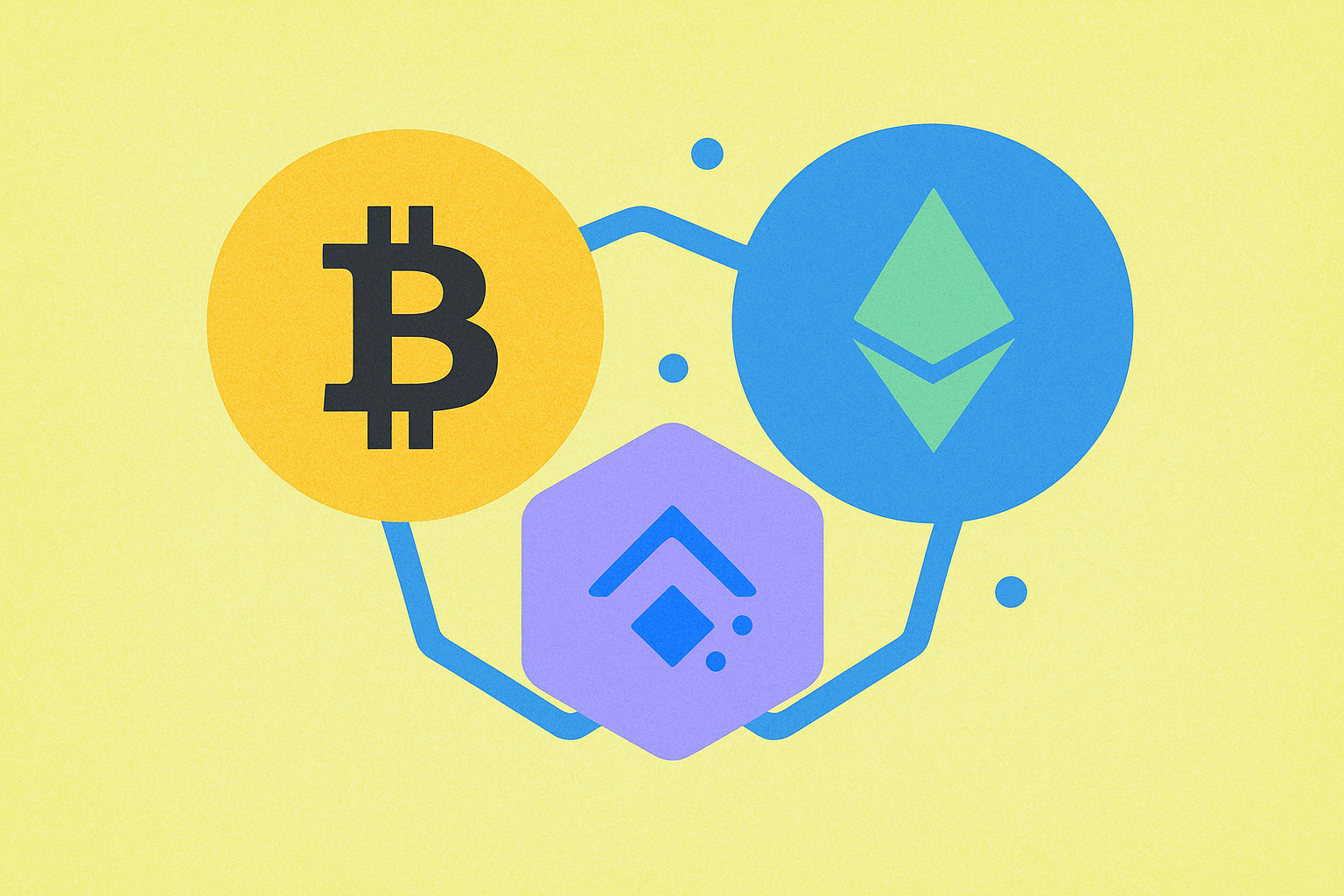
The Hemi Network represents a modular Layer-2 protocol designed to address the fragmentation between Bitcoin and Ethereum ecosystems. Unlike traditional projects that treat Bitcoin and Ethereum as isolated silos, Hemi views them as components of a unified supernetwork, unlocking unprecedented levels of programmability, portability, and interoperability.
As of December 2025, Hemi has established itself as an emerging player in the blockchain infrastructure space, with a market capitalization of approximately $151.4 million USD and a circulating supply of 540 million tokens out of a total supply of 10 billion HEMI. The project operates across 19 exchanges globally and maintains an active community of 6,179 token holders, positioning it as a significant infrastructure project within the cross-chain ecosystem.
This report provides a comprehensive analysis of Hemi's technical architecture, market performance, and development trajectory.
Origins and Development Journey
Foundational Context
The Hemi Network was conceived to solve a fundamental problem in the blockchain ecosystem: the inability of Bitcoin and Ethereum—the two largest and most secure networks—to work together seamlessly. While Bitcoin excels in security and decentralization, it lacks smart contract functionality. Ethereum provides programmability but operates independently from Bitcoin's security model.
Hemi's core innovation lies in bridging these two networks through a modular Layer-2 architecture, enabling developers to leverage the combined strengths of both ecosystems simultaneously. This approach creates new possibilities for building applications that require both Bitcoin's security guarantees and Ethereum's programmability.
Key Milestones
- September 2025: Hemi Network reached its all-time high of $0.19481 USD, demonstrating strong market confidence in the protocol's vision.
- Q4 2025: The project achieved listing across 19 major cryptocurrency exchanges, expanding accessibility to global traders and investors.
- December 2025: Token launched with a total supply cap of 10 billion HEMI, establishing a transparent tokenomics framework for the ecosystem.
With foundational support from developers and early adopters, Hemi continues to refine its technical infrastructure and expand ecosystem applications.
How Hemi Works
Unified Supernetwork Architecture
Hemi operates on a foundational principle that differs markedly from other cross-chain solutions: rather than creating a separate network, Hemi functions as a connector that enables Bitcoin and Ethereum to operate as integrated components of a single supernetwork. This architecture allows developers and users to access the unique strengths of both blockchains within a cohesive environment.
The Hemi Virtual Machine (hVM)
At Hemi's technical core sits the Hemi Virtual Machine (hVM), which ingeniously incorporates a complete Bitcoin node within an Ethereum Virtual Machine framework. This design allows:
- Bitcoin Security Integration: Full validation of Bitcoin's consensus rules and security properties
- Ethereum Programmability: Smart contract functionality and complex computation capabilities
- Seamless Interoperability: Cross-chain communication without requiring external bridges or intermediaries
Developer-Friendly Ecosystem
Combined with the Hemi Bitcoin Kit (hBK), the protocol provides developers with:
- A familiar development environment leveraging Ethereum Virtual Machine standards
- Direct access to Bitcoin's immutable ledger and security properties
- Tools for building Hemi decentralized applications (hApps) that operate natively across both ecosystems
This eliminates the traditional friction of separate development stacks and token standards, enabling faster innovation and reduced complexity.
Modular Layer-2 Design
Hemi's Layer-2 architecture delivers:
- Superior Scaling: Off-chain transaction processing with Bitcoin/Ethereum settlement, reducing congestion on base layers
- Enhanced Security: Cryptographic proofs anchoring transactions to both Bitcoin and Ethereum networks
- Cross-Chain Composability: Applications can access liquidity, data, and functionality from both ecosystems without fragmentation
Market Performance Overview
Current Valuation Metrics
| Metric | Value |
|---|---|
| Current Price | $0.01514 USD |
| 24-Hour Change | -3.92% |
| 7-Day Change | -0.069% |
| 30-Day Change | -24.3% |
| All-Time High | $0.19481 USD (September 24, 2025) |
| All-Time Low | $0.01344 USD (December 1, 2025) |
| Market Capitalization | $8.18 million USD |
| Fully Diluted Valuation | $151.4 million USD |
| Circulating Supply | 540 million HEMI (5.4% of total) |
| Total Supply | 10 billion HEMI |
| 24-Hour Trading Volume | $302,558 USD |
| Market Dominance | 0.0046% |
Price Action Analysis
Hemi's price has experienced significant volatility since inception. The token peaked at $0.19481 in late September 2025, followed by a substantial correction. The recent 24.3% decline over the past 30 days reflects broader market conditions and suggests the asset is in a consolidation phase. Current price levels near the all-time low, established on December 1, 2025, may represent a buying opportunity for long-term ecosystem believers.
Network Activity
- 19 Trading Exchanges: Wide distribution across major cryptocurrency platforms
- 6,179 Token Holders: Growing but still early-stage adoption
- Daily Volume: Approximately $302,558 USD, indicating developing liquidity
Technical Specifications
- Blockchain Standard: BEP-20 (Binance Smart Chain token standard)
- Primary Contract Address (BSC): 0x5ffd0eadc186af9512542d0d5e5eafc65d5afc5b
- Deployment Chain: Binance Smart Chain (BSC)
Ecosystem and Community Resources
Official Channels
- Website: https://hemi.xyz/
- Whitepaper: https://hemi.xyz/whitepaper/
- Twitter/X: https://x.com/hemi_xyz
- Discord Community: https://discord.com/invite/hemixyz
- Block Explorer: https://bscscan.com/token/0x5ffd0eadc186af9512542d0d5e5eafc65d5afc5b
Trading Access
HEMI tokens are available for purchase and trading on Gate.com, which provides secure access to the Hemi ecosystem for global traders seeking exposure to this innovative Layer-2 protocol.
Conclusion
Hemi Network represents an ambitious approach to solving blockchain fragmentation by treating Bitcoin and Ethereum not as competing networks but as complementary components of a unified ecosystem. Through its innovative Hemi Virtual Machine and developer-friendly toolkit, the project positions itself as essential infrastructure for next-generation decentralized applications.
While the project remains in its early stages with significant room for ecosystem growth, the technical vision and modular architecture offer compelling value propositions for developers seeking to leverage both Bitcoin's security and Ethereum's programmability. Market participants should monitor the expansion of hApp adoption and technical upgrades to the hVM as key indicators of protocol maturation and value creation.
HEMI's Market Performance
Circulating Supply Overview
As of December 22, 2025, HEMI has a circulating supply of 540,000,000 tokens, with a total supply of 10,000,000,000 tokens and a maximum supply of 10,000,000,000 tokens, following a fixed supply model.
HEMI operates on the BEP-20 standard on the Binance Smart Chain (BSC), with the contract address 0x5ffd0eadc186af9512542d0d5e5eafc65d5afc5b. The current circulating supply represents 5.4% of the maximum supply, indicating significant room for token distribution.
Price Volatility
HEMI reached its all-time high of $0.19481 on September 24, 2025, reflecting strong market sentiment and early adoption momentum for the Hemi Network's modular Layer-2 protocol combining Bitcoin and Ethereum interoperability.
The token's lowest price was $0.01344, recorded on December 1, 2025, as the broader cryptocurrency market experienced correction pressures.
As of December 22, 2025, HEMI is trading at $0.01514, representing:
- 1-hour change: -0.85%
- 24-hour change: -3.92%
- 7-day change: -0.069%
- 30-day change: -24.3%
- 1-year change: -13.52%
These price fluctuations reflect market sentiment, adoption trends, and the broader market cycle dynamics affecting emerging Layer-2 solutions.
Click to view current HEMI market price on Gate.com
Market Metrics
- Market Capitalization: $8,175,600 (current market cap)
- Fully Diluted Valuation (FDV): $151,400,000
- 24-hour Trading Volume: $302,558.29
- Market Dominance: 0.0046%
- Token Holders: 6,179 addresses
- Exchange Listings: Available on 19 exchanges
Hemi (HEMI) Comprehensive Market Report
Executive Summary
Hemi is a modular Layer-2 protocol designed to deliver superior scaling, security, and interoperability, powered by both Bitcoin and Ethereum. As of December 22, 2025, HEMI is trading at $0.01514 with a market capitalization of $8,175,600 and a fully diluted valuation of $151,400,000. The token has experienced a 24-hour decline of -3.92% but maintains significant relevance in the multi-chain ecosystem space.
Project Overview
Core Technology
Hemi Network represents an innovative approach to blockchain interoperability by treating Bitcoin and Ethereum not as isolated ecosystems, but as components of a single supernetwork. This unified vision unlocks new levels of programmability, portability, and potential.
Key Technical Components:
- Hemi Virtual Machine (hVM): Integrates a full Bitcoin node within an Ethereum Virtual Machine, enabling seamless cross-chain functionality.
- Hemi Bitcoin Kit (hBK): Provides developers with a familiar and powerful platform for building applications.
- Hemi Decentralized Applications (hApps): Enable developers to create innovative solutions leveraging both Bitcoin and Ethereum ecosystems.
Market Position
| Metric | Value |
|---|---|
| Current Price | $0.01514 |
| 24h Change | -3.92% |
| 7d Change | -0.069% |
| 30d Change | -24.3% |
| Market Cap | $8,175,600 |
| Fully Diluted Valuation | $151,400,000 |
| Circulating Supply | 540,000,000 HEMI |
| Total Supply | 10,000,000,000 HEMI |
| Market Cap Dominance | 0.0046% |
| All-Time High | $0.19481 (September 24, 2025) |
| All-Time Low | $0.01344 (December 1, 2025) |
| 24h Trading Volume | $302,558.29 |
Token Distribution & Supply Dynamics
With a circulating supply of 540 million HEMI representing 5.4% of the maximum supply of 10 billion tokens, the project maintains significant room for growth as more tokens enter circulation. The substantial gap between current circulating supply and maximum supply suggests a gradual token release schedule designed to support long-term ecosystem development.
Holder Statistics: The network maintains 6,179 active token holders, indicating a distributed ownership structure across the community.
Network & Blockchain Integration
Blockchain Standard: BEP-20 (Binance Smart Chain)
Smart Contract Address (BSC):
0x5ffd0eadc186af9512542d0d5e5eafc65d5afc5b
The token's deployment on BSC provides accessibility and compatibility with the broader DeFi ecosystem while maintaining interoperability with Ethereum and Bitcoin layers.
Market Performance Analysis
Price Trends
| Time Period | Change | Amount |
|---|---|---|
| 1 Hour | -0.85% | -$0.000130 |
| 24 Hours | -3.92% | -$0.000618 |
| 7 Days | -0.069% | -$0.000010 |
| 30 Days | -24.3% | -$0.004860 |
| 1 Year | -13.52% | -$0.002367 |
Market Sentiment: Currently at level 2, indicating moderate market activity with mixed sentiment characteristics.
Exchange Availability
HEMI is listed on 19 exchanges globally, providing multiple liquidity channels for traders and investors seeking exposure to the project.
How to Participate in Hemi
1. Acquisition Channels
Purchase HEMI on Gate.com and other supported cryptocurrency exchanges offering trading pairs with major fiat currencies and stablecoins.
2. Ecosystem Engagement
- Official Website: Visit Hemi's official portal for comprehensive information on features, use cases, and latest developments.
- Technical Documentation: Access the Hemi Whitepaper for detailed technical architecture, objectives, and long-term vision.
3. Community Participation
- X (Twitter): Follow @hemi_xyz for real-time updates on protocol developments, ecosystem partnerships, and community initiatives.
- Discord: Join the Hemi Discord Community to engage with developers, team members, and fellow community members.
4. For Developers
Access development resources and documentation at hemi.xyz to build decentralized applications (hApps) leveraging the Hemi Virtual Machine and cross-chain capabilities.
Official Resources
- Website: https://hemi.xyz/
- Whitepaper: https://hemi.xyz/whitepaper/
- Block Explorer (BSC): https://bscscan.com/token/0x5ffd0eadc186af9512542d0d5e5eafc65d5afc5b
- Social Media: @hemi_xyz on X
Investment Considerations
Opportunities
- Novel Architecture: Unique approach to Bitcoin-Ethereum interoperability addresses a significant gap in current multi-chain solutions.
- Early Stage Growth: With significant token supply remaining in reserve, potential exists for expansion as adoption increases.
- Ecosystem Development: The hVM and hBK provide a solid foundation for developer adoption and dApp proliferation.
Risk Factors
- Market Volatility: 30-day decline of -24.3% reflects the inherent price volatility of emerging cryptocurrency projects.
- Execution Risk: Success depends on achieving technical milestones and building a vibrant developer ecosystem.
- Competitive Landscape: Faces competition from established Layer-2 solutions and other interoperability protocols.
- Regulatory Uncertainty: Evolving cryptocurrency regulations across jurisdictions may impact operations and adoption.
Conclusion
Hemi represents an innovative approach to solving one of blockchain's fundamental challenges: seamless interoperability between Bitcoin and Ethereum ecosystems. The project's modular architecture and developer-friendly tools position it as a noteworthy entrant in the Layer-2 and cross-chain infrastructure space.
With a clear technical vision, active community channels, and strategic token economics, Hemi offers potential for investors and developers interested in next-generation blockchain infrastructure. However, like all cryptocurrency projects, particularly those in early development phases, HEMI carries inherent risks related to market volatility, technology execution, and regulatory evolution.
Prospective participants should conduct thorough due diligence, understand the technical details through the whitepaper, engage with the community, and assess their risk tolerance before making investment decisions.
FAQ
What is special about a HEMI engine?
A HEMI engine features a hemispherical combustion chamber design that enables more efficient air-fuel mixing and combustion. This optimized shape delivers superior pressure dynamics and airflow efficiency, resulting in enhanced engine performance and power output compared to traditional wedge-shaped designs.
What does HEMI mean?
HEMI is a prefix derived from Greek meaning 'half,' commonly used in scientific and technical terms like hemisphere. In cryptocurrency context, HEMI refers to a blockchain platform designed for high-efficiency, modular infrastructure enabling scalable decentralized applications and cross-chain interoperability solutions.
Why is the Dodge V8 called a HEMI?
HEMI stands for hemispherical, referring to the engine's dome-shaped combustion chambers. This design optimizes fuel burning efficiency and improves engine performance, becoming iconic in Dodge's legendary V8 engines.
What's the difference between a HEMI and a regular engine?
HEMI engines feature hemispherical combustion chambers, delivering superior power output and fuel efficiency compared to regular engines. The advanced design enables better air-fuel mixing and combustion, resulting in enhanced performance and reduced emissions.
Share
Content
Hemi's Positioning and Significance
Origins and Development Journey
How Hemi Works
Market Performance Overview
Technical Specifications
Ecosystem and Community Resources
Conclusion
HEMI's Market Performance
Executive Summary
Project Overview
Token Distribution & Supply Dynamics
Network & Blockchain Integration
Market Performance Analysis
How to Participate in Hemi
Official Resources
Investment Considerations
Conclusion
FAQ
How to Buy Cryptocurrency


Trending Cryptocurrencies



What is HEMI: Understanding Chrysler's Powerful Hemispherical Engine Technology

What is HEMI: Understanding Dodge's Powerful Engine Technology

How Does On-Chain Data Analysis Reveal Crypto Market Trends in 2025?

TAP vs ETH: The Battle for Decentralized Finance Dominance in the Crypto Ecosystem

What is HEMI and How Does it Bridge Bitcoin and Ethereum?
How Does Cryptocurrency Market Share Compare Among Top Competitors in 2025?
How to Purchase Bitcoin in India
What is COMMON: Understanding the Universal Patterns That Connect All Living Things

What is HAEDAL: A Comprehensive Guide to Korea's Advanced Defense and Autonomous Learning System

What is VLR: Understanding Vision Language Recognition and Its Applications in Modern AI Systems

2025 REP Price Prediction: Expert Analysis and Market Forecast for Augur's Native Token