Understanding Nodes in Blockchain Networks
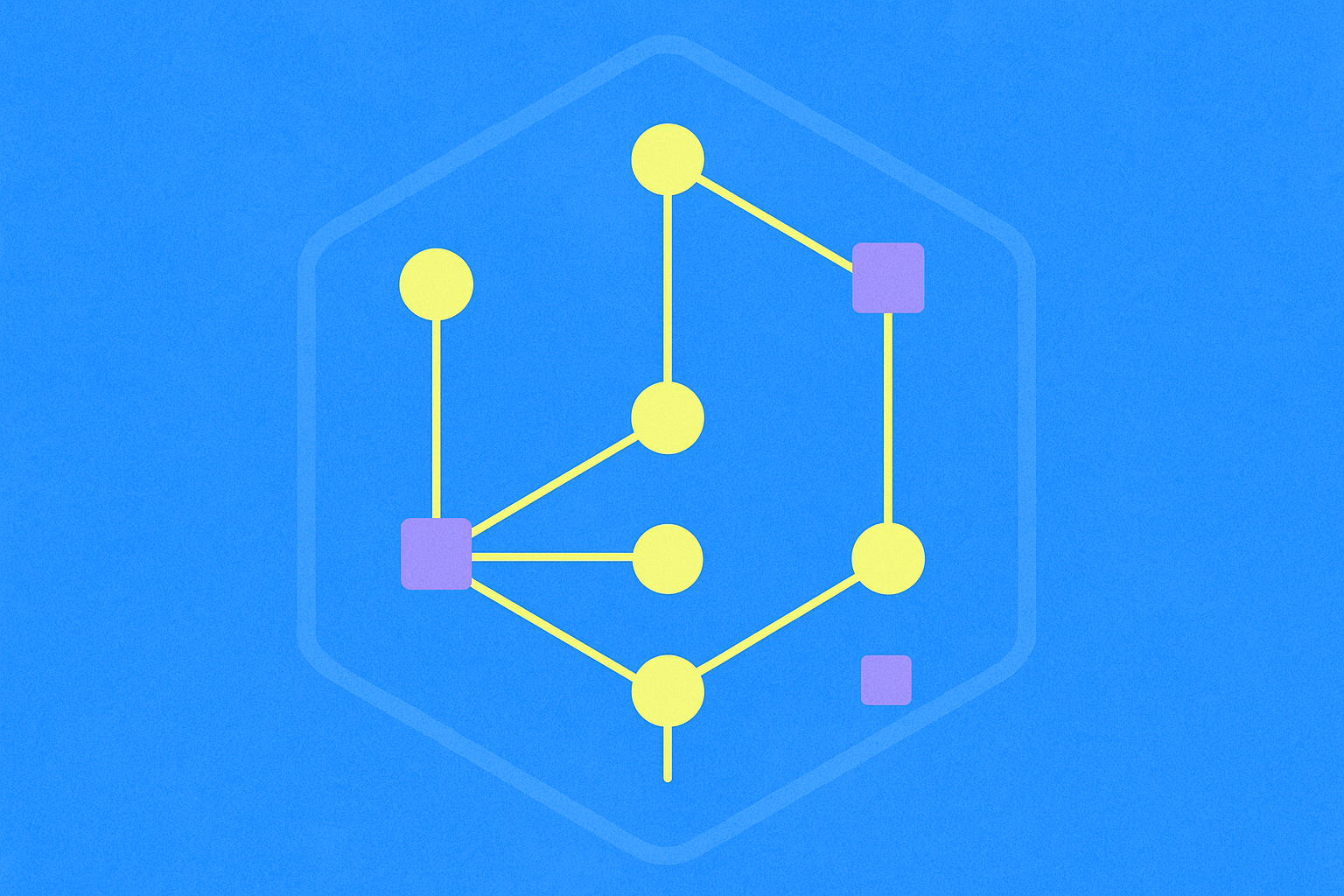
What is a blockchain node: the technology powering decentralized networks
Blockchain nodes are the fundamental building blocks that make blockchain networks secure, decentralized, and operational. Understanding what is a node in blockchain, how they function, and why they matter is essential for anyone interested in blockchain technology. This comprehensive guide explores the technology behind blockchain nodes and their critical role in maintaining decentralized networks.
What is a blockchain node?
A blockchain node is a fundamental component of a decentralized network, serving as a connection point that can receive, store, and transmit data across the blockchain infrastructure. When understanding what is a node in blockchain, it's important to recognize that nodes are essential for validating transactions, maintaining copies of the blockchain ledger, and preserving the network's security and decentralized nature.
Nodes perform several critical functions within the blockchain ecosystem. First, they validate transactions by checking their authenticity, confirming that senders have sufficient funds, and ensuring that transactions follow the network's established rules. This validation process is crucial for preventing issues like double-spending, where the same cryptocurrency could potentially be spent multiple times.
Second, each node maintains a copy of the entire blockchain, which serves as a complete ledger of all transactions ever processed on the network. This redundancy helps guarantee data integrity and availability across the network. The distributed nature of these copies makes the blockchain resistant to attacks and censorship, as no single entity can control or manipulate the data.
Finally, nodes distribute trust across all participating nodes rather than concentrating it in a central authority. This structure significantly improves security and resilience, allowing the network to continue operating even if some nodes fail or act maliciously. Through various consensus mechanisms, nodes work together to reach agreement on the blockchain's state, maintaining consistency and trustworthiness throughout the network.
How does a node work?
The operation of blockchain nodes involves a coordinated process of receiving, validating, and broadcasting transactions to maintain network integrity. Understanding how a node in blockchain operates is key to grasping the technology's power.
When a transaction is initiated, it is first sent to the network where nodes receive it and temporarily store it in a pool of pending transactions, commonly referred to as the "mempool." Once received, nodes begin the validation process by checking multiple aspects of the transaction. They verify the signature's authenticity to ensure the transaction is signed by the rightful owner, confirm that the sender has sufficient balance to complete the transaction, and verify that the same funds haven't been spent elsewhere to prevent double-spending.
After successful validation, nodes broadcast the valid transactions to their peers throughout the network, ensuring that all nodes can record the new transactions. This broadcasting mechanism protects the network's integrity by ensuring only valid transactions are shared.
Nodes then use consensus mechanisms to reach mutual understanding about the blockchain's status. In Proof of Work (PoW) systems like Bitcoin, nodes called miners compete to solve complex cryptographic puzzles, with the first successful miner adding a new block to the blockchain and receiving a reward. In Proof of Stake (PoS) systems like Ethereum, validators are chosen to propose and validate new blocks based on the amount of cryptocurrency they own and are willing to stake as collateral.
Once a block is validated through consensus, it is added to the blockchain. All nodes then update their blockchain copies to reflect the new block, maintaining consistency across the entire network. This collaborative process ensures the decentralized and secure nature of blockchain networks is preserved.
What are the different kinds of nodes?
Blockchain networks utilize various types of nodes, each serving a unique and important role in maintaining network functionality. Exploring what is a node in blockchain requires understanding these different node types.
Full nodes represent the backbone of blockchain networks. They store the entire blockchain ledger, encompassing all transactions from the network's inception. Full nodes validate all transactions and blocks according to network rules, sharing data with other nodes to maintain decentralization. By maintaining a complete copy of the blockchain, full nodes significantly improve security and trustworthiness within the network.
Light nodes, also known as Simplified Payment Verification (SPV) nodes, offer a more resource-efficient alternative. These nodes store only essential data, such as block headers, rather than the full blockchain. They rely on full nodes to verify transactions, making them ideal for wallets and applications with limited storage capacity. Light nodes make blockchain technology more accessible by reducing storage requirements, enabling broader participation.
Masternodes are specialized full nodes that perform additional functions beyond standard transaction validation. They often handle advanced tasks such as completing instant transactions, participating in governance decisions, and enhancing privacy features. Unlike mining nodes, masternodes don't add new blocks to the blockchain but instead contribute to network efficiency and decision-making processes through their specialized services.
Mining nodes, or miners, use computational power to solve complex cryptographic puzzles through the Proof of Work process. Upon solving these puzzles, mining nodes add new blocks to the blockchain and receive cryptocurrency rewards. This process is essential for block creation and maintaining blockchain integrity through consensus mechanisms.
Staking nodes operate within Proof of Stake systems, validating new blocks by locking up a certain amount of cryptocurrency as collateral. These nodes are selected to propose and validate blocks based on their stake amount, which incentivizes honest behavior. Staking nodes provide energy-efficient block validation while enhancing network security by aligning validators' interests with the network's overall health.
Why are blockchain nodes important for decentralization?
Blockchain nodes are the cornerstone of decentralization, serving multiple critical functions that distinguish blockchain networks from centralized systems. This aspect of what is a node in blockchain highlights their fundamental importance.
Nodes distribute power across the network by ensuring each node holds a copy of the entire blockchain. This distribution prevents central points of failure and promotes transparency throughout the system. When nodes validate transactions and blocks, they collectively agree on the network's state through consensus mechanisms. This shared responsibility means decisions are made by the majority rather than a central authority, embodying the democratic principles of blockchain technology.
The security benefits of a distributed node network are substantial. A higher number of nodes directly increases network security. For example, Bitcoin's extensive node network makes it highly resistant to attacks, as compromising the majority of nodes becomes practically impossible. With data replicated across numerous nodes, the network can withstand failures or attacks on individual nodes without compromising overall integrity.
Furthermore, nodes prevent centralized control by requiring each node to validate transactions independently. This validation process prevents single entities from gaining undue influence over the network. No central body can censor or alter transactions, ensuring the network remains open, neutral, and resistant to manipulation. This decentralized validation is what makes blockchain technology revolutionary compared to traditional centralized systems.
How can you set up a blockchain node?
Setting up a blockchain node is an excellent way to support decentralized networks while potentially earning rewards and enhancing your privacy. Understanding what is a node in blockchain practically means knowing how to establish one.
The first step is choosing which blockchain network you want to support. Bitcoin nodes prioritize decentralization and privacy, while Ethereum nodes allow participation in staking and decentralized applications. Your choice depends on your goals and resources.
Next, you must ensure you have the appropriate hardware. For a Bitcoin node, you'll need at least 700 GB of storage for blockchain data, a minimum of 2 GB of RAM, and a reliable broadband connection with unlimited data. Ethereum nodes require more robust specifications, including around 1 TB of storage, 8-16 GB of RAM for smooth operation, and a high-speed, stable internet connection with consistent uptime.
Once hardware is secured, you'll need to install the required software. For Bitcoin, download Bitcoin Core and configure it to begin downloading the blockchain, which can take several days. For Ethereum, use a client like Geth or Nethermind and sync with the Ethereum blockchain. Initial synchronization can be time-intensive but is necessary for proper operation.
Maintaining your node requires keeping it running continuously to help process transactions and regularly updating the software to stay compatible with network changes. Understanding the motivations and potential rewards is also important. Bitcoin nodes receive no direct financial rewards but contribute to network security and provide improved privacy. Ethereum nodes offer the opportunity to earn rewards if you stake 32 ETH as a validator, compensating you for securing the network.
What are the challenges of running a blockchain node?
While running a blockchain node supports decentralized networks, it comes with several significant challenges that potential node operators should understand when considering what is a node in blockchain and its operational requirements.
Storage requirements present a major obstacle. Full nodes must store complete blockchain ledgers, which continue to grow over time. Bitcoin's ledger now exceeds 600 GB, while Ethereum's approaches 1.2 TB and continues expanding. This demands substantial disk space, ideally on solid-state drives for optimal performance. Some operators choose pruned nodes, which retain only recent blockchain data and reduce storage needs to approximately 7 GB, though with limited functionality.
Bandwidth consumption is another considerable challenge. Nodes must continuously download and upload data to stay synchronized with the network, consuming significant bandwidth. Bitcoin nodes typically require approximately 5-10 GB per day for uploads and downloads combined. A stable, high-speed internet connection is essential to handle this data flow without interruptions.
Energy consumption varies depending on the node type. Mining nodes, especially in Proof of Work systems like Bitcoin, require substantial computational power, leading to high energy usage that increases electricity costs and raises environmental concerns. While non-mining nodes consume less energy, they still need to run continuously, contributing to ongoing electricity usage.
Technical expertise is necessary for both setup and ongoing maintenance. Installing and configuring a node demands a solid understanding of the blockchain's software and network protocols. Regular updates and troubleshooting are required to keep the node operational and secure, demanding ongoing attention and technical knowledge.
Hardware costs can be substantial. Initial investment in high-capacity storage devices and reliable servers can be expensive. As the blockchain grows, hardware may need upgrades to handle increased storage and processing demands, requiring additional investment over time.
Finally, security considerations are paramount. Running a node exposes your system to potential cyber threats, making robust security measures crucial for protecting against attacks. Ensuring the data your node processes and stores remains uncorrupted is vital for both your node's operation and the network's overall health.
Conclusion
Blockchain nodes represent the essential infrastructure that powers decentralized networks, embodying the core principles of decentralization, security, and distributed trust. Understanding what is a node in blockchain provides crucial insight into the technology that's transforming digital infrastructure and financial systems.
From their fundamental role in validating transactions to maintaining transparent and tamper-resistant ledgers, nodes ensure blockchain networks remain robust, reliable, and truly decentralized. Understanding how nodes work—receiving and validating transactions, participating in consensus mechanisms, and maintaining copies of the blockchain—provides crucial insight into what makes blockchain technology revolutionary.
The various types of nodes, from full nodes to light nodes, mining nodes to staking nodes, each contribute uniquely to network functionality and security. Each type of node serves a specific purpose in answering what is a node in blockchain and how these components work together to create resilient networks.
While running a blockchain node presents challenges including high storage requirements, bandwidth consumption, energy costs, and technical complexity, the benefits to network security and decentralization are substantial. Whether you're planning to set up your own node or simply seeking to understand their role, recognizing the importance of nodes and what is a node in blockchain provides valuable perspective on the foundation of decentralized technology and its potential to reshape how we think about trust, security, and data management in the digital age.
FAQ
What is the difference between a node and a miner?
A node stores and verifies blockchain data, while a miner creates new blocks and adds them to the blockchain. A miner is always a full node but not all nodes mine.
What is the purpose of a node?
A node validates transactions, stores blockchain data, and maintains network integrity. It helps decentralize the network and ensures its security and functionality.
What is a node in simple terms?
A node is a computer in the blockchain network that stores and validates transactions, maintaining a copy of the entire blockchain. It acts as a crucial point for data exchange and network operation.
What does it mean to run a node in crypto?
Running a node means maintaining a full copy of the blockchain, validating transactions, and enhancing network security. It provides users with greater control and privacy over their crypto assets.
Share
Content
How to Buy Cryptocurrency


Trending Cryptocurrencies



XZXX: A Comprehensive Guide to the BRC-20 Meme Token in 2025

Bitcoin Fear and Greed Index: Market Sentiment Analysis for 2025

Top Crypto ETFs to Watch in 2025: Navigating the Digital Asset Boom
5 ways to get Bitcoin for free in 2025: Newbie Guide

Bitcoin Market Cap in 2025: Analysis and Trends for Investors
2025 Bitcoin Price Prediction: Trump's Tariffs' Impact on BTC

What is UNI: A Comprehensive Guide to Uniswap's Governance Token and Its Role in Decentralized Finance

What is WLFI: A Comprehensive Guide to Wireless Local Area Network Frequency Integration
What is CRO: A Comprehensive Guide to Conversion Rate Optimization for Business Growth
What is PYUSD: A Comprehensive Guide to PayPal's USD Stablecoin

What is TON: A Comprehensive Guide to The Open Network and Its Revolutionary Blockchain Technology