Stage 2:
In Korean stock investing, Samsung Electro-Mechanics and Samsung Electronics are commonly grouped together as "Samsung-affiliated" targets, yet their business boundaries are distinctly different: Samsung Electro-Mechanics positions itself as a component and module supplier, whereas Samsung Electronics covers semiconductors, consumer electronics end-products, displays, and chip businesses. The core differences between Samsung Electro-Mechanics and Samsung Electronics can be compared across dimensions such as industry chain division, listing codes, and business structure.
From an industrial structure perspective, Samsung Electro-Mechanics represents the "upstream electronic components + advanced packaging" direction. The components segment supplies basic passive elements for circuit operation, the packaging solutions segment addresses substrate requirements for high-end computing chips, and the optics solutions segment covers camera and communication modules. Together, these three business lines form the cognitive framework for understanding Samsung Electro-Mechanics in the Korean stock market.
Definition and Core Positioning of Samsung Electro-Mechanics
As a comprehensive electronic component manufacturer under the Samsung Group, Samsung Electro-Mechanics' core products span three categories: passive components, semiconductor packaging substrates, and optical modules. The company plays the role of an "upstream component supplier" in the global electronics supply chain, with products widely used in mobile terminals, data center servers, automotive electronics, and network equipment.
Samsung Electro-Mechanics is listed on the Korean stock market as Samsung Electro-Mechanics Co., Ltd., trading under the code 009150.KS on the Korea Composite Stock Price Index (KOSPI). Unlike consumer-facing terminal brands, the value proposition of Samsung Electro-Mechanics is built on component technology, production scale, and downstream industry demand, rather than individual product retail performance.
Company History and Development Milestones
Founded in 1973, Samsung Electro-Mechanics initially began with the production of audio and video electronic components, laying the technical foundation for Korea's component industry. During the 1980s, it expanded into materials and computer components; in the 1990s, it focused on developing chip components, mobile communication components, and optical components. From the 2000s onward, with MLCC, power inductors, camera modules, and packaging substrates as core offerings, it established a global component supply capability.
In 1987, the company changed its name from Samsung Electronic Parts to Samsung Electro-Mechanics. Subsequently, it continuously expanded its product portfolio into high-value-added applications such as automotive electronics and AI servers, strengthening investments in underlying technologies including materials, radio frequency, and precision mechanics. The company's development path reflects an evolution from single-component manufacturing to a multi-technology integrated comprehensive component supplier.
Three Business Segments and Product Structure
Samsung Electro-Mechanics is organized into three business segments based on products and processes: Components, Package Solutions, and Optics Solutions. Each segment plays a distinct role in the supply chain:
| Business Segment |
Main Products |
Functional Positioning |
Typical Downstream Applications |
| Components |
MLCC, Inductors, Chip Resistors, Tantalum Capacitors, Silicon Capacitors |
Circuit signal conditioning and energy storage |
Mobile phones, Servers, Automotive electronics |
| Package Solutions |
FC-BGA, BGA, FC-CSP and other packaging substrates |
Chip-to-board interconnection |
AI accelerators, HPC, Automotive chips |
| Optics Solutions |
Camera modules, Communication modules |
Imaging and communication function integration |
Smartphones, Automotive, IoT devices |
The Components segment provides "basic passive components" for circuits; the Package Solutions segment addresses the substrate demand in advanced semiconductor packaging; the Optics Solutions segment integrates multiple components into functional modules. Together, the three segments cover the component supply chain from basic elements to system-level modules.
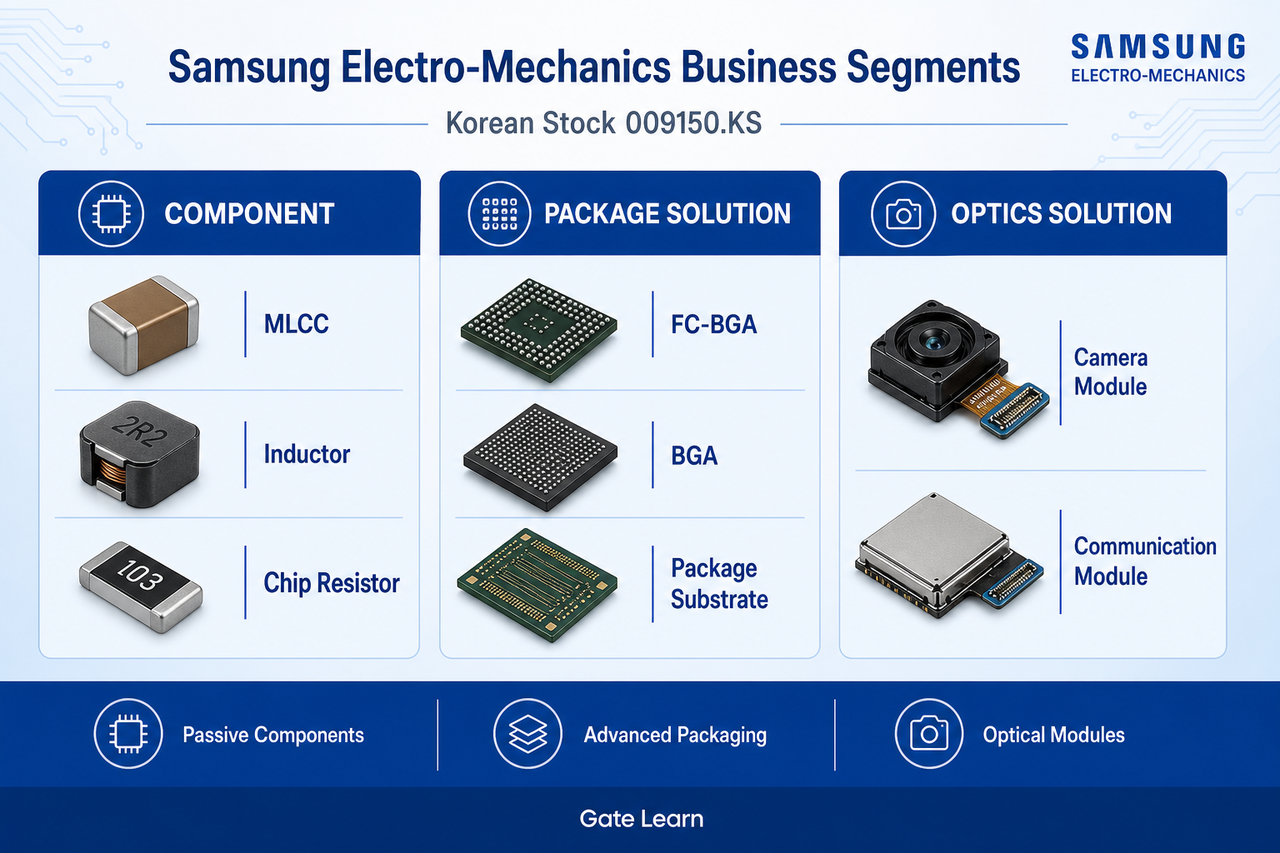 Figure 1. Three business segments: Component, Package Solution, and Optics Solution with key products.
MLCC and FC-BGA: Core Technology Roles
Multilayer ceramic capacitors (MLCC) are one of the core products of Samsung Electro-Mechanics' Components business. MLCC performs energy storage, filtering, and voltage stabilization in circuits, earning it the nickname "the rice of the electronics industry" due to its widespread use in electronic devices. The MLCC component business, from technical principles and application scenarios to global competitive dynamics, serves as a key entry point for understanding Samsung Electro-Mechanics' passive component sector. Rising demand for high-capacity, high-temperature MLCCs from AI servers and automotive electronics is driving the product toward more advanced specifications.
Flip-chip ball grid array packaging substrates (FC-BGA) are a key product in the Package Solutions business. FC-BGA enables high-density interconnection between high-performance chips and motherboards, making it suitable for AI accelerators, server CPUs/GPUs, and automotive autonomous driving chips. FC-BGA requires high technical barriers, with production capacity and process precision forming the core competitive dimensions in the industry.
MLCC and FC-BGA correspond to the two technology tracks of "passive components" and "advanced packaging substrates," respectively, constituting Samsung Electro-Mechanics' structural product positioning amid the expansion of AI infrastructure and automotive electronics demand.
Korean Stock Listing and Trading Basics
Samsung Electro-Mechanics is listed on the KOSPI market of the Korea Exchange (KRX) under stock code 009150.KS. Korean stocks are denominated in South Korean Won (KRW), trade under KRX market rules, and follow the market's trading hours and price fluctuation limits.
In the code 009150, "009150" is the security identifier, while ".KS" denotes the KOSPI market. International investors trading Korean stocks must understand the account opening, settlement, and foreign exchange mechanisms of the Korean market. For users participating in Korean stock-related products via platforms like Gate, the process for buying Samsung Electro-Mechanics stock through Gate's Korean stock trading differs in mechanism from opening a direct Korean securities account. As a KOSPI constituent, Samsung Electro-Mechanics' liquidity and information disclosure follow the regulatory framework for Korean listed companies.
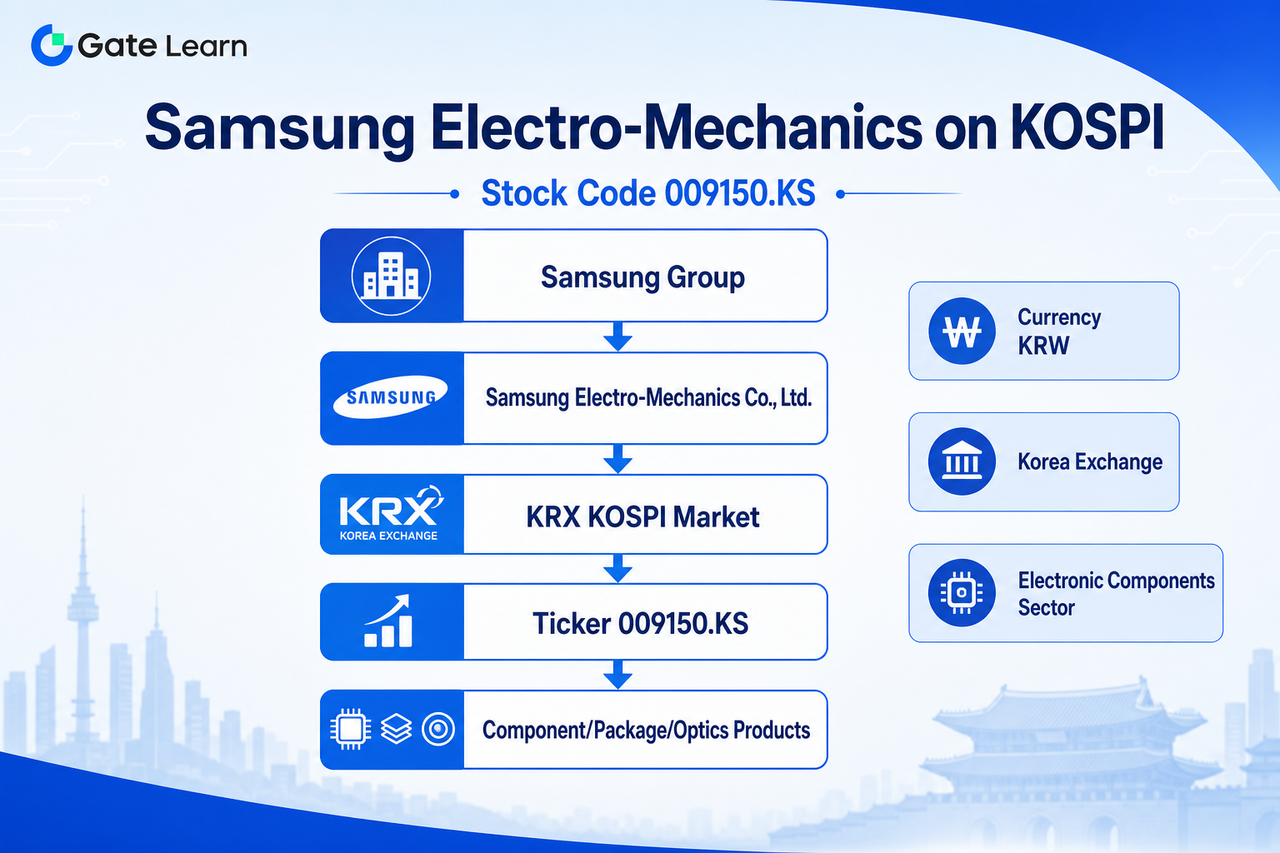 Figure 2. KOSPI listing structure for Samsung Electro-Mechanics stock code 009150.KS.
Samsung Electro-Mechanics' Position in the Samsung Group Ecosystem
Within the Samsung Group, Samsung Electro-Mechanics assumes the function of supplying components and modules. It is operationally independent from affiliated companies such as Samsung Electronics (005930.KS) and Samsung SDI, yet they coordinate within the supply chain. Samsung Electronics primarily focuses on semiconductors, smartphones, televisions, and other terminal and chip businesses; Samsung Electro-Mechanics supplies upstream MLCCs, substrates, and camera modules, with some products going to Samsung Electronics and other global clients.
Internal group coordination does not imply business overlap: Samsung Electro-Mechanics and Samsung Electronics have different stock codes, financial statements, and main businesses as separate listed entities. When reviewing Korean stock materials, investors must distinguish between the two using the company's full name and code. The core differences between Samsung Electro-Mechanics and Samsung Electronics are explained item by item regarding listed entities, business structures, and downstream clients, preventing confusion when "Samsung Electro-Mechanics" is shortened to "Samsung stock."
Advantages, Risks, and Limitations
Samsung Electro-Mechanics' structural advantages include: globally leading MLCC production capacity and technology accumulation, mass production capability in the FC-BGA high-end packaging field, diversified downstream applications across three segments, long-term R&D investment, and group supply chain coordination. The company has been consistently included in ESG ratings such as the DJSI World Index, reflecting its long-standing governance and sustainable management practices.
Structural limitations include: certain exposure to the smartphone industry cycle, capital expenditure and capacity expansion pace constrained by industry demand, and ongoing pressure from high-end product technology iteration. Related risks include: cyclical fluctuations in the electronics industry, major customer order concentration, Korean Won exchange rate volatility, changes in Korean stock market regulation, and global supply chain and geopolitical uncertainties. The above factors are industry and mechanism-level risks and do not constitute investment advice.
Common Misunderstandings and Concept Clarification
Common misunderstandings include: equating Samsung Electro-Mechanics with Samsung Electronics — they are different listed entities with distinct businesses and codes; confusing 009150 with securities codes from other markets — the official KRX code must be used; treating a component manufacturer as a terminal brand — Samsung Electro-Mechanics does not directly sell consumer electronics products; and assuming the Korean stock code is globally valid — 009150.KS is only effective in the Korean market.
Summary
As a comprehensive electronic component manufacturer under the Samsung Group, Samsung Electro-Mechanics uses MLCC, FC-BGA, and optical modules as its core products, listed on the KOSPI market under the code 009150.KS. The three business segments — Components, Package Solutions, and Optics Solutions — form the company's business panorama. Samsung Electro-Mechanics serves as an upstream component supplier within the group ecosystem, forming a clear division of labor with Samsung Electronics. The company's business structure, Korean stock listing mechanism, and industry risk framework connect to topics such as the core differences between Samsung Electro-Mechanics and Samsung Electronics, and purchasing Samsung Electro-Mechanics stock via Gate Korean stock trading.
FAQ
What is Samsung Electro-Mechanics?
Samsung Electro-Mechanics is a comprehensive electronic component manufacturer under the Samsung Group, founded in South Korea in 1973. Its main products include MLCCs, packaging substrates, and camera modules. It is listed on the KOSPI market under the code 009150.KS.
How is Samsung Electro-Mechanics different from Samsung Electronics?
Samsung Electro-Mechanics focuses on electronic components and module supply, code 009150.KS. Samsung Electronics primarily engages in semiconductors, consumer electronics end-products, and display businesses, code 005930.KS. They are different listed entities under the Samsung Group with distinct business boundaries and stock codes.
What is 009150?
009150 is the stock code for Samsung Electro-Mechanics on the KOSPI market of the Korea Exchange, with the full identifier 009150.KS, traded in Korean Won.
What are the three business segments of Samsung Electro-Mechanics?
The three segments are Components (MLCC, inductors, resistors, etc.), Package Solutions (FC-BGA and other packaging substrates), and Optics Solutions (camera modules, communication modules), corresponding to passive components, chip packaging interconnection, and imaging/communication modules.
What role does MLCC play in Samsung Electro-Mechanics' business?
MLCC (multilayer ceramic capacitor) is the core product of Samsung Electro-Mechanics' Components segment. It performs energy storage, filtering, and voltage stabilization in circuits, and is widely used in mobile phones, servers, and automotive electronics.
What should be noted when investing in Samsung Electro-Mechanics Korean stocks?
Korean stock trading is denominated in Korean Won and follows KRX market rules. The electronic components industry involves cyclical fluctuations, exchange rate and regulatory risks. Investment decisions must be made independently based on personal risk tolerance. The above content is solely for mechanism and knowledge dissemination.