


- 熱門 Gate Fun查看更多
- 市值:$3527.58持有人數:21.08%
- 市值:$3583.19持有人數:20.00%
- 市值:$3531.03持有人數:20.00%
- 市值:$3580.64持有人數:20.01%
- 市值:$3572.7持有人數:20.00%



- 置頂
- 🔥 報名正式開啟!Gate 年度最大社區盛典
Gate 廣場年度內容達人評選現已上線
登上年度舞台,閃耀你的高光時刻。
🏆 加入盛典,贏取榮耀
• 「Gate 廣場內容達人」官方稱號
• 官方認證獎盃 & 榮譽證書
• Gate 精美限定周邊禮盒
• 專屬創作者認證徽章
• 全平台曝光與流量扶持
• 粉絲回饋贊助支持
🚀 立即報名:
https://www.gate.com/activities/community-vote-2025 - 🎄 Gate 廣場發帖體驗與滿意度調研
我們想聽聽你的真實想法 😊
無論你是在 Gate 廣場發帖、偶爾分享,還是更多時間在瀏覽內容,你的體驗都很重要。
這份小調研主要關注內容曝光、發帖收益和創作體驗,幫助我們把 Gate 廣場做得更好。
只需幾分鐘,歡迎填寫:
👉 https://www.gate.com/questionnaire/7265
🎁 完成調研的用戶中,將抽取 3 位 送出 Gate 廣場聖誕主題禮盒。 - 🔥 Gate 廣場活動:#发帖赢代币NIGHT 🔥
發佈任意與 NIGHT 相關內容即可參與!
觀點分享、行情分析、參與體驗、投研筆記通通都算有效參與。
📅 啟用時間:2025/12/10 16:00 - 12/21 24:00(UTC+8)
📌 參與方式
1️⃣ 在 Gate 廣場發帖(文字 / 圖文 / 分析 / 觀點均可)
2️⃣ 帖子需添加話題 #发帖赢代币NIGHT 或 #PostToWinNIGHT
🏆 獎勵設置(總計 1,000 NIGHT)
🥇 Top 1:200 NIGHT
🥈 Top 4:100 NIGHT / 人
🥉 Top 10:40 NIGHT / 人
📄 注意事項
內容需原創,不得抄襲或灌水
獲獎者需完成 Gate 廣場身份認證
Gate 對活動擁有最終解釋權 - 👀 家人們,每天看行情、刷大佬觀點,卻從來不開口說兩句?你的觀點可能比你想的更有價值!
廣場新人 & 回歸福利正式上線!不管你是第一次發帖還是久違回歸,我們都直接送你獎勵!🎁
每月 $20,000 獎金等你來領!
📅 活動時間: 長期有效(月底結算)
💎 參與方式:
用戶需爲首次發帖的新用戶或一個月未發帖的回歸用戶。
發帖時必須帶上話題標籤: #我在广场发首帖 。
內容不限:幣圈新聞、行情分析、曬單吐槽、幣種推薦皆可。
💰 獎勵機制:
必得獎:發帖體驗券
每位有效發帖用戶都可獲得 $50 倉位體驗券。(注:每月獎池上限 $20,000,先到先得!如果大家太熱情,我們會繼續加碼!)
進階獎:發帖雙王爭霸
月度發帖王: 當月發帖數量最多的用戶,額外獎勵 50U。
月度互動王: 當月帖子互動量(點讚+評論+轉發+分享)最高的用戶,額外獎勵 50U。
📝 發帖要求:
帖子字數需 大於30字,拒絕純表情或無意義字符。
內容需積極健康,符合社區規範,嚴禁廣告引流及違規內容。
💡 你的觀點可能會啓發無數人,你的第一次分享也許就是成爲“廣場大V”的起點,現在就開始廣場創作之旅吧! - ✍️ Gate 廣場「創作者認證激勵計劃」優質創作者持續招募中!
Gate 廣場現正面向優質創作者開放認證申請!
立即加入,發布優質內容,參與活動即可瓜分月度 $10,000+ 創作獎勵!
📕 認證申請步驟:
1️⃣ 打開 App 首頁底部【廣場】 → 點擊右上角頭像進入個人主頁
2️⃣ 點擊頭像右下角【申請認證】,提交申請等待審核
注:請確保 App 版本更新至 7.25.0 或以上。
👉 立即報名:https://www.gate.com/questionnaire/7159
豪華代幣獎池、Gate 精美週邊、流量曝光等超 $10,000 豐厚獎勵等你拿!
📅 活動自 11 月 1 日起持續進行
在 Gate 廣場讓優質內容變現,創作賺取獎勵!
活動詳情:https://www.gate.com/announcements/article/47889
China to Craft a Document for Web3 Development Involving NFTs, DApps, Cross-Chain, and Privacy Computing
Disclosure: Crypto is a high-risk asset class. This article is provided for informational purposes and does not constitute investment advice. By using this website, you agree to our terms and conditions. We may utilise affiliate links within our content, and receive commission.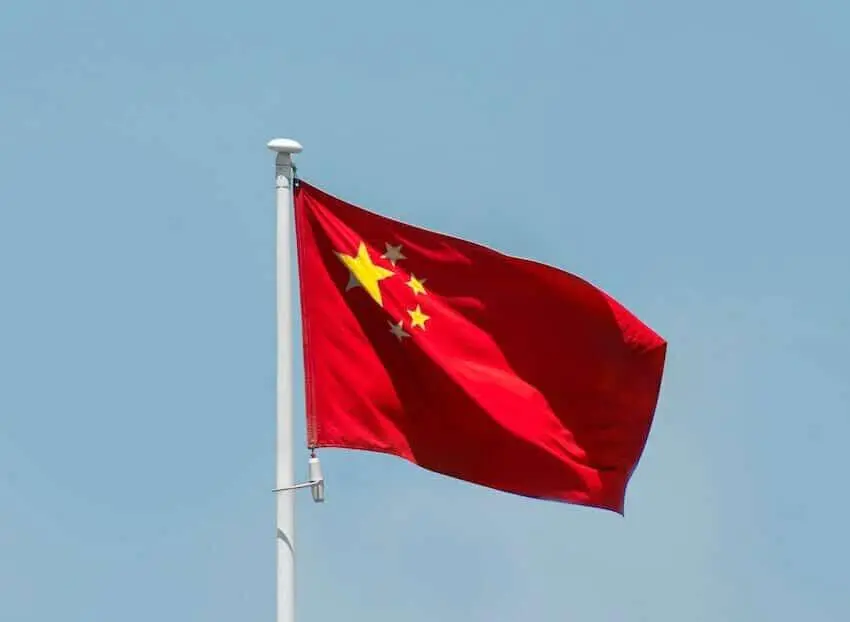 Image Source: PexelsThe Chinese central government has revealed plans to create a strategic document to guide the development of China’s Web3 eco
The document will support the growth of Web3 technologies such as non-fungible tokens (NFTs) and decentralized applications (DApps), according to a letter from China’s Ministry of Industry and Information Technology.
Other key areas of focus will include cross-chain interoperability, privacy computing, and smart contracts
The letter comes after the government received a proposal on Web3 industry development, which received positive responses from key entities.
According to the letter, the government plans to strengthen technical research and supervision, supporting research institutions in exploring cross-chain interoperability, privacy computing, and smart contracts
Furthermore, it would prioritize blockchain security, supervision, and governance, as well as the exploration of alliance chain technology convergence and improved data security.
It also aims to foster international exchanges and cooperation, with active participation in global standardization activities related to Web3
The goal is to increase China’s international influence and rule-making power in Web3 development.
In order to enhance public understanding of Web3 technologies, the government will leverage science popularization platforms to promote awareness of distributed digital identity and digital asset management. ‘
It will actively support academic progress and technological achievements to drive innovation in the Web 3.0 industry.
China Deploys Web3 Applications Across ious Sectors
China has been deploying Web3 applications across ious sectors, including healthcare, education, and tourism
The government, in collaboration with different departments, has organized blockchain innovation pilot initiatives, resulting in successful use cases in energy, copyright protection, rule of law, and trade finance.
Standardization is a key priority, leading to the establishment of the National Blockchain and Distributed Accounting Technology Standardization Technical Committee
This committee has already released China’s first domestic standard, the Blockchain and Distributed Accounting Technology Reference Architecture.
The exploration of emerging concepts like Web3, Metaverse, and NFTs has gained momentum in China
Independent alliance chain platforms, including Changan Chain and Ant Chain, have been established to drive technological advancements and foster partnerships in the industry.
China to Verify Identities of its Residents through Blockchain
Last week, China unveiled plans to use blockchain technology for the verification of real-name identities of its vast population of 1.4 billion people
The announcement came from the Blockchain-based Service Network (BSN), China’s national-level blockchain initiative.
The initiative, named RealDID, was spearheaded by China’s Ministry of Public Security in collaboration with BSN
The launch of the RealDID service will enable users to register and log in to websites anonymously using decentralized identity (DID) addresses and private keys
This approach ensures that personal information remains disconnected from business data and transactions.
In October, Chinese state media reported that the country’s top six social media platforms, including WeChat, Sina Weibo, Douyin, Kuaishou, Bilibili, and Xiaohongshu, would require content creators with over 500,000 or 1 million followers to publicly display their real names or the names of their financial backers