GateUser-f9ead490
vip
Age 0.5 Yıl
Peak Tier 0
No content yet
nice 👍 looks
Cozyprontvip
How can you not move to Dubai with views like this ?
Arabic nights 🇦🇪
repost-content-media
  • Reward
  • Comment
  • Repost
  • Share
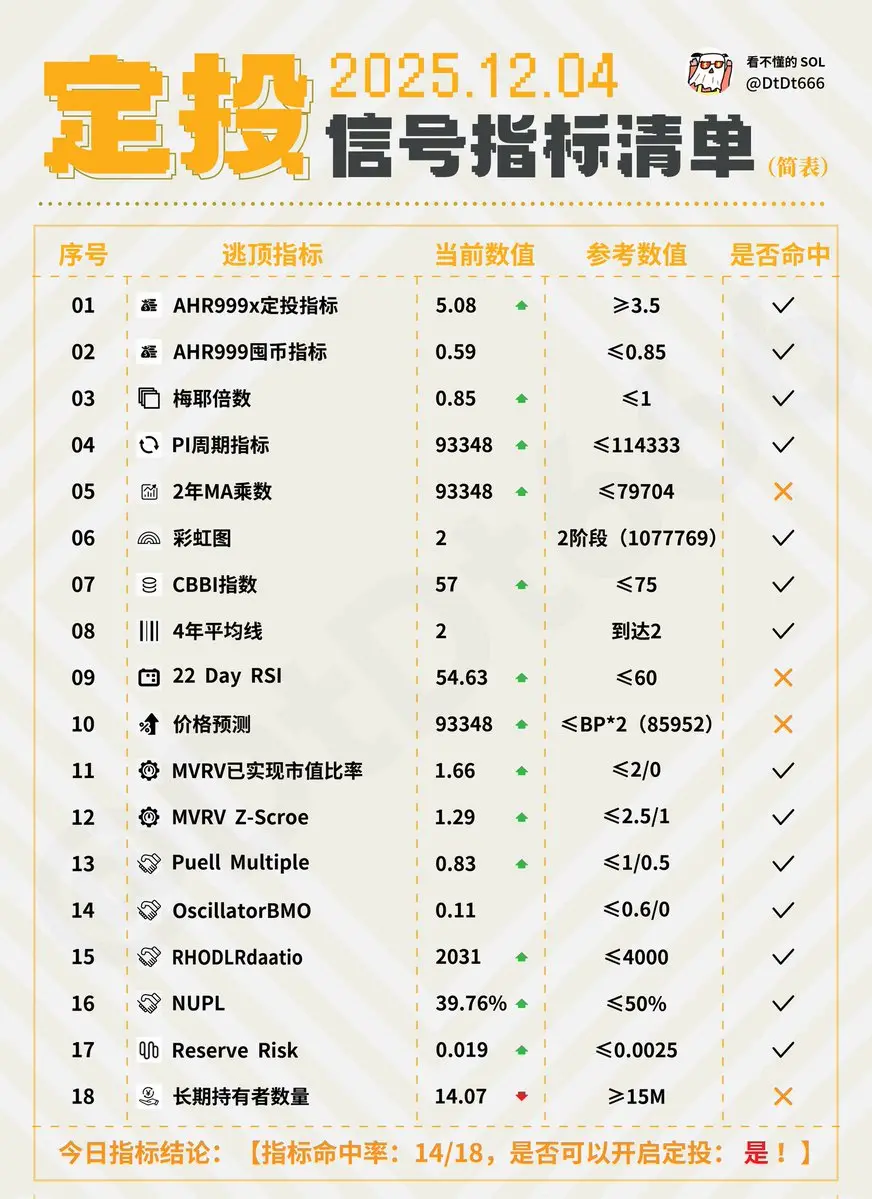
ICan_tUnderstandSOLvip
Brothers, trading is a long journey. Don’t always think about taking shortcuts through luck, and never let a single mistake make you lose everything.
The key is to move forward steadily and ultimately reach your goal.
Don’t try to save a sinking boat when the debt can’t be salvaged. If the boat is already sinking, there’s nothing left to save—just cut your losses.
Money in the crypto space is a proud thing. It can see right through your deepest weaknesses and will test you over and over again, taking on forms that tempt or scare you.
These tests are not just about the knowledge you’ve accumulated, but also about your inherent character.
Only by overcoming these layers of tests will money recognize you as its master. Those who fail will end up being controlled by it, losing both their principal and any gains.
Within the trading framework, technique should serve strategy, strategy should serve tactics, and tactics should ultimately serve your beliefs and values.
When it comes to trading success or failure, technique plays only a small role, strategy doesn’t have much impact either. The final outcome depends much more on whether your tactics are correct and whether your core beliefs are stable enough.
But most people focus only on technical indicators, change strategies every few days, and never think about long-term tactics—let alone understand or stick to their own beliefs.
If we want stability, we should track and study vertically instead of joining the horizontal crowd. Looking horizontally, you’ll see “experts” and bull markets every day; but if you look vertically, the world is just a makeshift troupe and the market is full of uncertainty. The real difference is that some people can control themselves: they earn more when the market’s good, lose less when it’s not, and stay out when they’re unsure. That’s what a true trader should look like.
Ding Yuanying’s trading insights are still applicable today:
Trading doesn’t create wealth; it’s high cognition harvesting low cognition. Its essence is the redistribution of wealth.
Judge the macro trend and the direction supported by news, and learn to enter when the market is just starting to move—
that is, buy when no one is paying attention;
and decisively exit when everyone is rushing in,
that is, sell when the crowd is at its peak,
and what happens afterward has nothing to do with you.
Let’s encourage each other!
repost-content-media
  • Reward
  • Comment
  • Repost
  • Share
?
post-image
LCAT
LCATLUNC CAT
MC:$21.76KHolders:108
54.87%
ICan_tUnderstandSOLvip
The ultimate goal of making money is "compound interest," and the trump card for turning things around is "cutting losses."
Brothers, let's skip the talk about cycles and get straight to the point.
Let's talk about two words: making money.
No, actually, it's four words: compound interest and cutting losses.
If you truly understand these two things, it'll be hard for you to stay poor in this lifetime.
For these two terms, you either haven't heard of them, or you've misunderstood them.
Dreaming about getting rich overnight is gambling, not making money.
Real money-making experts are single-minded: find what works, then repeat it.
That, my friend, is compound interest.
1. Admit you’re ordinary, then copy like crazy
99% of innovation in this world is a dead end; only copying leads to survival. The same goes for trading—the way is simple.
A lot of people's biggest problem is that after doing something right once, they dismiss it as luck and immediately go chasing the next “hot trend.”
That’s just plain stupid.
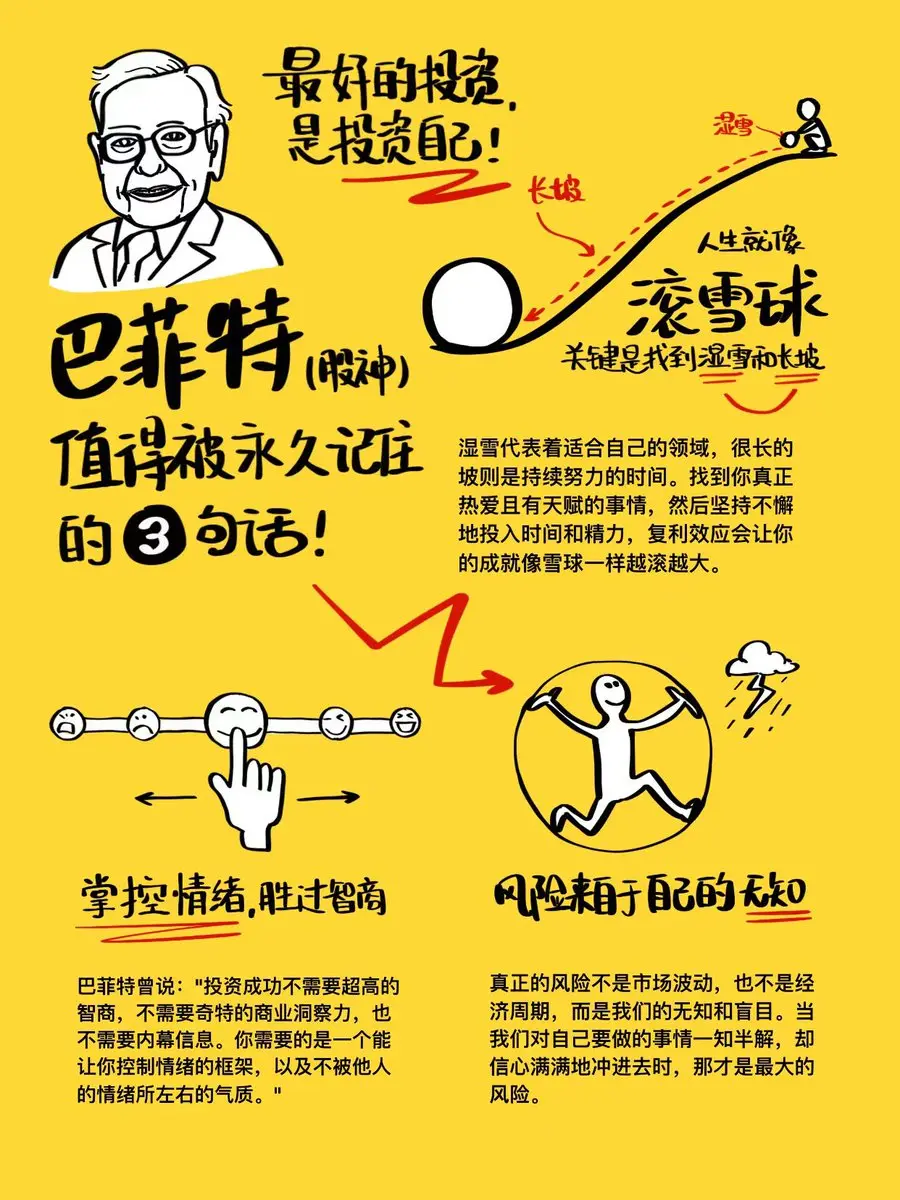
Think about it—how did Buffett become the god of stocks? Wasn’t it just value investing, finding what works and repeating it for a lifetime?
Look at the successful people around you—didn’t they all hit on something and then dig deep for years?
Compound interest sounds like a finance term, but it’s really just a dumb grind. You don’t need to be smart, but you need to be persistent.
Compound interest isn’t about putting your money in the bank to earn interest. In your life, when you discover an action, a product, a sales pitch, or anything that brings positive feedback or makes you a dollar,
No matter how small, repeat it to death.
Immediately, without hesitation—repeat it.
Don’t change it, don’t try to optimize it at first, just copy it exactly. Do it a thousand times, ten thousand times.
Talent is a poor man’s fig leaf; repetition is the rich man’s basic skill.
Even if the action is boring, tedious, or seems dumb, as long as it works, treat it like a lifeline and never let go. Turn one success into ten thousand successes—that’s called scaling.
Even if you’re just selling pancakes, if you perfect the most popular filling recipe, you’ll become the king of pancakes.
That’s the law of nature.
That’s the ordinary person’s chance to overtake on the curve. Don’t envy pigs flying in the wind; be the pig that keeps digging in the dirt—one day you’ll dig up your own gold mine.
Being truly skilled just means making a simple thing a habit through repetition.
2. Even if your heart bleeds, throw away the trash
Knowing how to hit the gas isn’t enough; you need to know how to brake.
That’s cutting losses.
What’s scarier than “not knowing what to do”? It’s “knowing it’s useless, but stubbornly sticking with it.”
That’s self-inflicted pain for the sake of feeling moved.
This second point is even harder than the first, because human nature resists it.
We always have fantasies about the effort we’ve already put in.
Too many people are like this.
Just like in trading, you set a stop-loss in advance, but when your position drops below it, you panic—thinking, “If I hold on a bit longer, it’ll bounce back.” You refuse to cut your losses, and end up going from a 5% loss to a 50% loss, or even blowing up your account—losing all the capital you could’ve saved. That’s not fighting the market, that’s fighting your own money.
For a project that’s proven to lose money, you just can’t let go, always thinking, “What if?” and end up losing more.
In a relationship, even if the other person is clearly trash, you can’t break up, always thinking, “He’ll change,” and end up completely broken.
With a crappy job, working overtime every day for no money, you’re afraid to quit, always thinking, “Maybe I can endure a bit longer,” and end up draining all your energy and passion.
Brother, wake up! Your time, energy, and money are your most valuable assets—they’re not for feeding to the dogs.
Cutting your losses in time means pulling your precious assets out of worthless, draining messes as soon as possible.
How?
Two words: review.
Every night before bed, stop scrolling. Grab a notebook or open your memo app,
and write down three things:
What did I do today?
Which thing made me feel great or accomplished? (That’s effective—do it again tomorrow.)
Which thing made me feel like an idiot, a complete waste of time? (That’s ineffective—stop it immediately tomorrow.)
When I first started reviewing, I was shocked. I realized I spent at least 4 hours a day on totally meaningless crap.
Like arguing over things that have no outcome, or endlessly refreshing an unimportant app.
Find those things and quit them, just like quitting drugs, one at a time.
Identify what’s ineffective, then stop it. This action is more important than doing a hundred right things.
Cutting losses isn’t admitting defeat—it’s a smarter new beginning.
Growth isn’t just about how much new stuff you learn; it’s also about how much old baggage you finally dare to throw away.
Reviewing isn’t about crying and regretting; it’s about seeing where you went wrong, cutting out the rotten part, and preventing it from infecting the rest. Cutting losses in time is the highest form of self-discipline for adults.
This world is simple—it’s a game of “effective repetition” and “ineffective termination.”
The endgame of making money is finding an action that makes money and repeating it ten thousand times—that’s compound interest.
The trump card for turning things around is cutting out all the crap that drains you and keeping yourself alive—that’s cutting losses.
Simplicity is the ultimate sophistication.
Life is a filter.
Keep what’s useful and repeat it to death; eliminate what’s useless and clear it out completely.
One grows your value, the other keeps you alive.
For young people, applying this “filter logic” to assets,
the most reliable choice is to DCA into BTC and gold.
— This isn’t jumping on the crypto bandwagon, it’s about seeing the long-term depreciation of fiat and building yourself a safety net for the future.
BTC’s decentralized nature lets you hedge against central banks’ reckless money printing;
Gold, as a hard currency for millennia, has always been a safe haven against inflation.
You don’t have to watch the market every day or worry about “buying at the top.” Just put in a fixed amount of spare cash every month. The essence is applying the logic of “compound interest” to your assets—using time to counter volatility and regular investing to avoid timing risks.
This is the right way for young people to bet on fiat depreciation—not gambling for short-term windfalls, but earning “time + trend” money.
Brothers, stop running around blindly. Don’t overthink it—just go do it~
repost-content-media
  • Reward
  • Comment
  • Repost
  • Share
ICan_tUnderstandSOLvip
The ultimate goal of making money is "compound interest," and the trump card for turning things around is "cutting losses."
Brothers, let's skip the talk about cycles and get straight to the point.
Let's talk about two words: making money.
No, actually, it's four words: compound interest and cutting losses.
If you truly understand these two things, it'll be hard for you to stay poor in this lifetime.
For these two terms, you either haven't heard of them, or you've misunderstood them.
Dreaming about getting rich overnight is gambling, not making money.
Real money-making experts are single-minded: find what works, then repeat it.
That, my friend, is compound interest.
1. Admit you’re ordinary, then copy like crazy
99% of innovation in this world is a dead end; only copying leads to survival. The same goes for trading—the way is simple.
A lot of people's biggest problem is that after doing something right once, they dismiss it as luck and immediately go chasing the next “hot trend.”
That’s just plain stupid.
Think about it—how did Buffett become the god of stocks? Wasn’t it just value investing, finding what works and repeating it for a lifetime?
Look at the successful people around you—didn’t they all hit on something and then dig deep for years?
Compound interest sounds like a finance term, but it’s really just a dumb grind. You don’t need to be smart, but you need to be persistent.
Compound interest isn’t about putting your money in the bank to earn interest. In your life, when you discover an action, a product, a sales pitch, or anything that brings positive feedback or makes you a dollar,
No matter how small, repeat it to death.
Immediately, without hesitation—repeat it.
Don’t change it, don’t try to optimize it at first, just copy it exactly. Do it a thousand times, ten thousand times.
Talent is a poor man’s fig leaf; repetition is the rich man’s basic skill.
Even if the action is boring, tedious, or seems dumb, as long as it works, treat it like a lifeline and never let go. Turn one success into ten thousand successes—that’s called scaling.
Even if you’re just selling pancakes, if you perfect the most popular filling recipe, you’ll become the king of pancakes.
That’s the law of nature.
That’s the ordinary person’s chance to overtake on the curve. Don’t envy pigs flying in the wind; be the pig that keeps digging in the dirt—one day you’ll dig up your own gold mine.
Being truly skilled just means making a simple thing a habit through repetition.
2. Even if your heart bleeds, throw away the trash
Knowing how to hit the gas isn’t enough; you need to know how to brake.
That’s cutting losses.
What’s scarier than “not knowing what to do”? It’s “knowing it’s useless, but stubbornly sticking with it.”
That’s self-inflicted pain for the sake of feeling moved.
This second point is even harder than the first, because human nature resists it.
We always have fantasies about the effort we’ve already put in.
Too many people are like this.
Just like in trading, you set a stop-loss in advance, but when your position drops below it, you panic—thinking, “If I hold on a bit longer, it’ll bounce back.” You refuse to cut your losses, and end up going from a 5% loss to a 50% loss, or even blowing up your account—losing all the capital you could’ve saved. That’s not fighting the market, that’s fighting your own money.
For a project that’s proven to lose money, you just can’t let go, always thinking, “What if?” and end up losing more.
In a relationship, even if the other person is clearly trash, you can’t break up, always thinking, “He’ll change,” and end up completely broken.
With a crappy job, working overtime every day for no money, you’re afraid to quit, always thinking, “Maybe I can endure a bit longer,” and end up draining all your energy and passion.
Brother, wake up! Your time, energy, and money are your most valuable assets—they’re not for feeding to the dogs.
Cutting your losses in time means pulling your precious assets out of worthless, draining messes as soon as possible.
How?
Two words: review.
Every night before bed, stop scrolling. Grab a notebook or open your memo app,
and write down three things:
What did I do today?
Which thing made me feel great or accomplished? (That’s effective—do it again tomorrow.)
Which thing made me feel like an idiot, a complete waste of time? (That’s ineffective—stop it immediately tomorrow.)
When I first started reviewing, I was shocked. I realized I spent at least 4 hours a day on totally meaningless crap.
Like arguing over things that have no outcome, or endlessly refreshing an unimportant app.
Find those things and quit them, just like quitting drugs, one at a time.
Identify what’s ineffective, then stop it. This action is more important than doing a hundred right things.
Cutting losses isn’t admitting defeat—it’s a smarter new beginning.
Growth isn’t just about how much new stuff you learn; it’s also about how much old baggage you finally dare to throw away.
Reviewing isn’t about crying and regretting; it’s about seeing where you went wrong, cutting out the rotten part, and preventing it from infecting the rest. Cutting losses in time is the highest form of self-discipline for adults.
This world is simple—it’s a game of “effective repetition” and “ineffective termination.”
The endgame of making money is finding an action that makes money and repeating it ten thousand times—that’s compound interest.
The trump card for turning things around is cutting out all the crap that drains you and keeping yourself alive—that’s cutting losses.
Simplicity is the ultimate sophistication.
Life is a filter.
Keep what’s useful and repeat it to death; eliminate what’s useless and clear it out completely.
One grows your value, the other keeps you alive.
For young people, applying this “filter logic” to assets,
the most reliable choice is to DCA into BTC and gold.
— This isn’t jumping on the crypto bandwagon, it’s about seeing the long-term depreciation of fiat and building yourself a safety net for the future.
BTC’s decentralized nature lets you hedge against central banks’ reckless money printing;
Gold, as a hard currency for millennia, has always been a safe haven against inflation.
You don’t have to watch the market every day or worry about “buying at the top.” Just put in a fixed amount of spare cash every month. The essence is applying the logic of “compound interest” to your assets—using time to counter volatility and regular investing to avoid timing risks.
This is the right way for young people to bet on fiat depreciation—not gambling for short-term windfalls, but earning “time + trend” money.
Brothers, stop running around blindly. Don’t overthink it—just go do it~
repost-content-media
  • Reward
  • Comment
  • Repost
  • Share
ICan_tUnderstandSOLvip
The ultimate goal of making money is "compound interest," and the trump card for turning things around is "cutting losses."
Brothers, let's skip the talk about cycles and get straight to the point.
Let's talk about two words: making money.
No, actually, it's four words: compound interest and cutting losses.
If you truly understand these two things, it'll be hard for you to stay poor in this lifetime.
For these two terms, you either haven't heard of them, or you've misunderstood them.
Dreaming about getting rich overnight is gambling, not making money.
Real money-making experts are single-minded: find what works, then repeat it.
That, my friend, is compound interest.
1. Admit you’re ordinary, then copy like crazy
99% of innovation in this world is a dead end; only copying leads to survival. The same goes for trading—the way is simple.
A lot of people's biggest problem is that after doing something right once, they dismiss it as luck and immediately go chasing the next “hot trend.”
That’s just plain stupid.
Think about it—how did Buffett become the god of stocks? Wasn’t it just value investing, finding what works and repeating it for a lifetime?
Look at the successful people around you—didn’t they all hit on something and then dig deep for years?
Compound interest sounds like a finance term, but it’s really just a dumb grind. You don’t need to be smart, but you need to be persistent.
Compound interest isn’t about putting your money in the bank to earn interest. In your life, when you discover an action, a product, a sales pitch, or anything that brings positive feedback or makes you a dollar,
No matter how small, repeat it to death.
Immediately, without hesitation—repeat it.
Don’t change it, don’t try to optimize it at first, just copy it exactly. Do it a thousand times, ten thousand times.
Talent is a poor man’s fig leaf; repetition is the rich man’s basic skill.
Even if the action is boring, tedious, or seems dumb, as long as it works, treat it like a lifeline and never let go. Turn one success into ten thousand successes—that’s called scaling.
Even if you’re just selling pancakes, if you perfect the most popular filling recipe, you’ll become the king of pancakes.
That’s the law of nature.
That’s the ordinary person’s chance to overtake on the curve. Don’t envy pigs flying in the wind; be the pig that keeps digging in the dirt—one day you’ll dig up your own gold mine.
Being truly skilled just means making a simple thing a habit through repetition.
2. Even if your heart bleeds, throw away the trash
Knowing how to hit the gas isn’t enough; you need to know how to brake.
That’s cutting losses.
What’s scarier than “not knowing what to do”? It’s “knowing it’s useless, but stubbornly sticking with it.”
That’s self-inflicted pain for the sake of feeling moved.
This second point is even harder than the first, because human nature resists it.
We always have fantasies about the effort we’ve already put in.
Too many people are like this.
Just like in trading, you set a stop-loss in advance, but when your position drops below it, you panic—thinking, “If I hold on a bit longer, it’ll bounce back.” You refuse to cut your losses, and end up going from a 5% loss to a 50% loss, or even blowing up your account—losing all the capital you could’ve saved. That’s not fighting the market, that’s fighting your own money.
For a project that’s proven to lose money, you just can’t let go, always thinking, “What if?” and end up losing more.
In a relationship, even if the other person is clearly trash, you can’t break up, always thinking, “He’ll change,” and end up completely broken.
With a crappy job, working overtime every day for no money, you’re afraid to quit, always thinking, “Maybe I can endure a bit longer,” and end up draining all your energy and passion.
Brother, wake up! Your time, energy, and money are your most valuable assets—they’re not for feeding to the dogs.
Cutting your losses in time means pulling your precious assets out of worthless, draining messes as soon as possible.
How?
Two words: review.
Every night before bed, stop scrolling. Grab a notebook or open your memo app,
and write down three things:
What did I do today?
Which thing made me feel great or accomplished? (That’s effective—do it again tomorrow.)
Which thing made me feel like an idiot, a complete waste of time? (That’s ineffective—stop it immediately tomorrow.)
When I first started reviewing, I was shocked. I realized I spent at least 4 hours a day on totally meaningless crap.
Like arguing over things that have no outcome, or endlessly refreshing an unimportant app.
Find those things and quit them, just like quitting drugs, one at a time.
Identify what’s ineffective, then stop it. This action is more important than doing a hundred right things.
Cutting losses isn’t admitting defeat—it’s a smarter new beginning.
Growth isn’t just about how much new stuff you learn; it’s also about how much old baggage you finally dare to throw away.
Reviewing isn’t about crying and regretting; it’s about seeing where you went wrong, cutting out the rotten part, and preventing it from infecting the rest. Cutting losses in time is the highest form of self-discipline for adults.
This world is simple—it’s a game of “effective repetition” and “ineffective termination.”
The endgame of making money is finding an action that makes money and repeating it ten thousand times—that’s compound interest.
The trump card for turning things around is cutting out all the crap that drains you and keeping yourself alive—that’s cutting losses.
Simplicity is the ultimate sophistication.
Life is a filter.
Keep what’s useful and repeat it to death; eliminate what’s useless and clear it out completely.
One grows your value, the other keeps you alive.
For young people, applying this “filter logic” to assets,
the most reliable choice is to DCA into BTC and gold.
— This isn’t jumping on the crypto bandwagon, it’s about seeing the long-term depreciation of fiat and building yourself a safety net for the future.
BTC’s decentralized nature lets you hedge against central banks’ reckless money printing;
Gold, as a hard currency for millennia, has always been a safe haven against inflation.
You don’t have to watch the market every day or worry about “buying at the top.” Just put in a fixed amount of spare cash every month. The essence is applying the logic of “compound interest” to your assets—using time to counter volatility and regular investing to avoid timing risks.
This is the right way for young people to bet on fiat depreciation—not gambling for short-term windfalls, but earning “time + trend” money.
Brothers, stop running around blindly. Don’t overthink it—just go do it~
repost-content-media
  • Reward
  • Comment
  • Repost
  • Share
👍
ICan_tUnderstandSOLvip
Cognitive Awakening! It is suggested that every fan should read these 6 books as early as possible!
Over the years, I have read many books, but there are actually not many good ones that can truly impact my understanding and give me a sense of "kneeling."
Today I sorted out the 6 books that have helped me the most in enhancing my understanding to share with you. Each one is a book that I have read more than once and firmly believe I will continue to read repeatedly in the future.
Value
"What you choose is not the only important thing; what you do not choose is equally important."
This book introduced me to the concept of "long-termism," and it also made me realize that long-termism is not only an investment approach but also a value system, a great perspective for viewing the world.
After learning to think about problems from the perspective of "long-termism," I have become more rational and resolute, able to make decisions that are more beneficial for long-term happiness when faced with choices, and I have let go of many previously tangled and indecisive matters.
Principles
"The very valuable guidance and advice that Ray Dalio once provided me can all be found in his book 'Principles.'" — Bill Gates
I have read this book three times, not because the content is difficult to understand, but because every time I accumulate different life experiences and reread it, it always brings me different thoughts and insights. The different principles the author shares for handling various problems have been very helpful to me.
The Naval Almanac
"There are three major decisions in early life: where to live, who to be with, and what profession to pursue."
Throughout our lives, we explore two themes: how to acquire wealth and happiness? This book also revolves around these two themes, and many of the suggestions regarding the acquisition of wealth and happiness have inspired me greatly, enhancing my understanding and awareness of these two life topics.
Poor Charlie's Almanack
"If I knew where I would die, then I would never go to that place."
This book taught me to use "reverse thinking" to approach problems. If you want to achieve happiness, you need to understand how to attain pain, and then go against that. Many difficult problems can often be better solved through reverse thinking.
The words spoken by this 99-year-old elder always allow me to feel his profound wisdom, giving me a sense of kneeling again and again.
Long-termism
Like a good medicine, it cures the "short-sightedness" in investing. It profoundly reveals that true value creation requires time to brew. Taking Tesla as an example, in its early days, it faced many challenges such as technological bottlenecks and market skepticism, but long-term investors who chose to believe in the future of electric vehicles, alongside Tesla's growth, reaped enormous rewards. This book helps us understand that investing is a marathon, not a sprint; only by staying the course can one share in the dividends of a company's growth.
The Essence of Poverty
From the perspectives of economics and sociology, it provides a unique dimension of thought for investment decisions. The book's analysis of issues such as information asymmetry and resource scarcity among impoverished groups warns us that in investment, information is wealth. Whether it is deeply researching the fundamentals of companies in stock investment or selecting quality managers in fund investment, it is essential to emphasize the collection and analysis of information. At the same time, the book's discussion of risk and uncertainty reminds us to do a good job in asset allocation, diversify risks, and make investment decisions more scientific and rational.
Let’s encourage each other!
repost-content-media
  • Reward
  • Comment
  • Repost
  • Share
🥰
AirdropTrainingCampvip
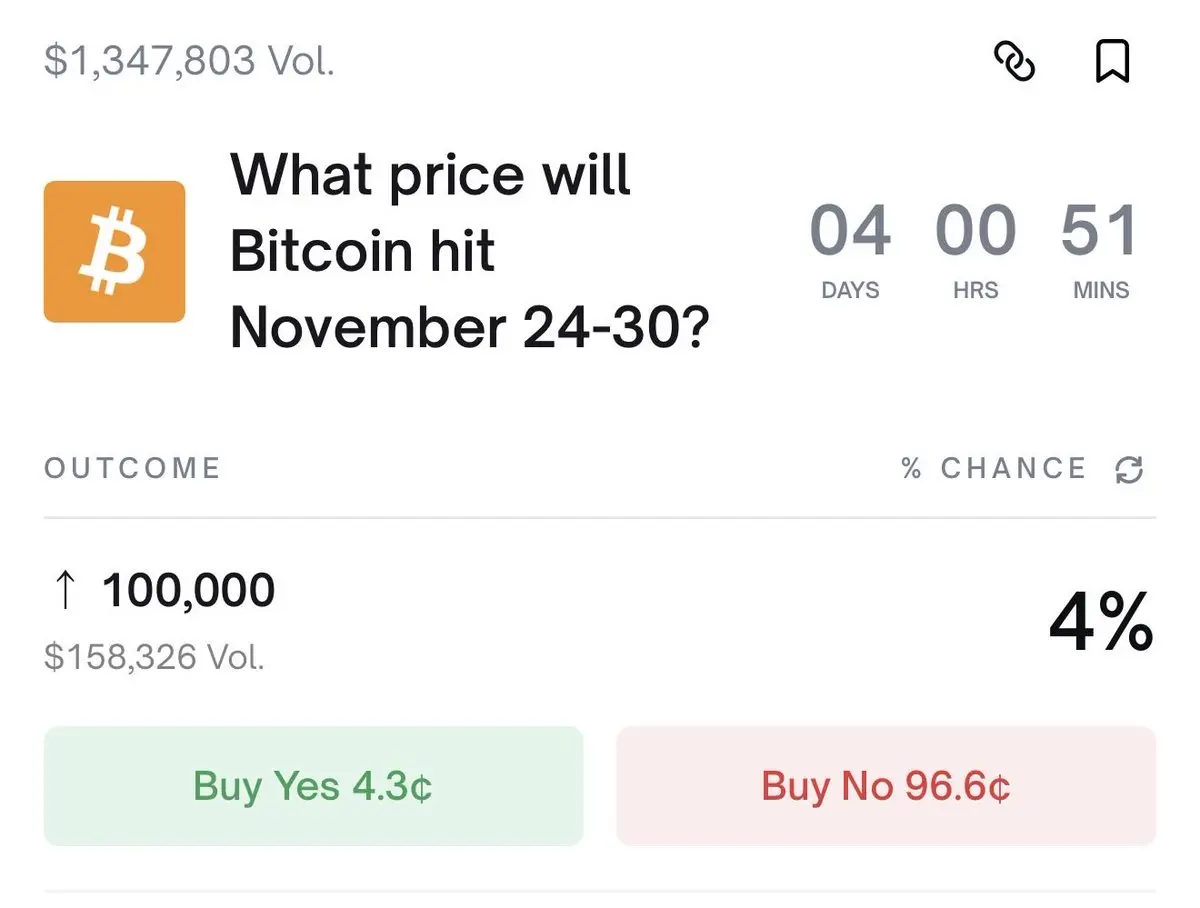
If Bitcoin can break 100,000 USD on the 30th.
I will achieve 50 times the profit.
Because I placed a bet on btc yesterday👆
There are currently four days left in the countdown.
repost-content-media
  • Reward
  • Comment
  • Repost
  • Share
  • Reward
  • Comment
  • Repost
  • Share
😎
Dr.Hanvip
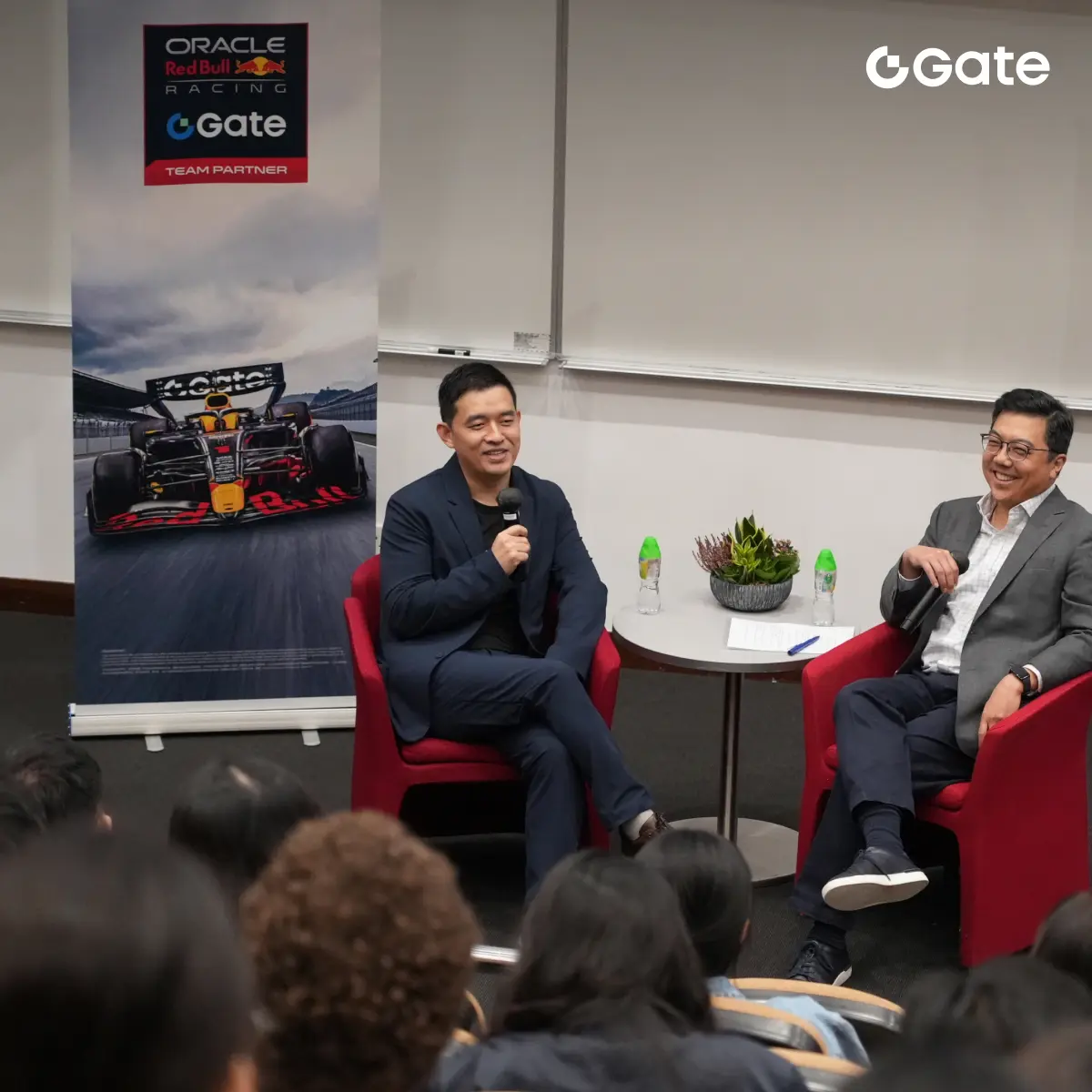
This week I went to Hong Kong University of Science and Technology and talked about some of my experiences in the encryption industry over the years.
The students all came with thoughts to ask questions, and the atmosphere was particularly good.
repost-content-media
  • Reward
  • Comment
  • Repost
  • Share
✨👌
Dr.Hanvip
This week I went to Hong Kong University of Science and Technology and talked about some of my experiences in the encryption industry over the years.
The students all came with thoughts to ask questions, and the atmosphere was particularly good.
repost-content-media
  • Reward
  • Comment
  • Repost
  • Share
👀
DirectorAnnievip
Let's take a look at what Tom Lee is arguing about again.
Where's the $7,000 prediction for the end of the year?
Now he's blaming the liquidation wave and Balancer being hacked for $116 million.
  • Reward
  • Comment
  • Repost
  • Share
  • Reward
  • Comment
  • Repost
  • Share
Cozyprontvip
Coinbase is up 10% today
something going on in crypto stocks
I think crypto follows up soon
  • Reward
  • Comment
  • Repost
  • Share
😎🤩✨👍🥇
Original content no longer visible
  • Reward
  • Comment
  • Repost
  • Share
  • Reward
  • Comment
  • Repost
  • Share
  • Reward
  • Comment
  • Repost
  • Share
  • Reward
  • Comment
  • Repost
  • Share
  • Reward
  • Comment
  • Repost
  • Share
  • Trending TopicsView More
  • Pin
Trade Crypto Anywhere Anytime
qrCode
Scan to download Gate App
Community
  • 简体中文
  • English
  • Tiếng Việt
  • 繁體中文
  • Español
  • Русский
  • Français (Afrique)
  • Português (Portugal)
  • Bahasa Indonesia
  • 日本語
  • بالعربية
  • Українська
  • Português (Brasil)