

Trade
Basic
Futures
Futures
Hundreds of contracts settled in USDT or BTC
TradFi
Gold
Trade global traditional assets with USDT in one place
Options
Hot
Trade European-style vanilla options
Unified Account
Maximize your capital efficiency
Demo Trading
Futures Kickoff
Get prepared for your futures trading
Futures Events
Participate in events to win generous rewards
Demo Trading
Use virtual funds to experience risk-free trading
Earn
Launch
CandyDrop
Collect candies to earn airdrops
Launchpool
Quick staking, earn potential new tokens
HODLer Airdrop
Hold GT and get massive airdrops for free
Launchpad
Be early to the next big token project
Alpha Points
Trade on-chain assets and enjoy airdrop rewards!
Futures Points
Earn futures points and claim airdrop rewards
Investment
Simple Earn
Earn interests with idle tokens
Auto-Invest
Auto-invest on a regular basis
Dual Investment
Buy low and sell high to take profits from price fluctuations
Soft Staking
Earn rewards with flexible staking
Crypto Loan
0 Fees
Pledge one crypto to borrow another
Lending Center
One-stop lending hub
VIP Wealth Hub
Customized wealth management empowers your assets growth
Private Wealth Management
Customized asset management to grow your digital assets
Quant Fund
Top asset management team helps you profit without hassle
Staking
Stake cryptos to earn in PoS products
Smart Leverage
New
No forced liquidation before maturity, worry-free leveraged gains
GUSD Minting
Use USDT/USDC to mint GUSD for treasury-level yields

More


Trending Topics
View More309.5K Popularity
92.26K Popularity
187.93K Popularity
17.76K Popularity
416.81K Popularity



Pin
Seventy thousand dollars threshold, and distant gunfire
In the late-night screen, some are watching the K-line, others are watching the news.
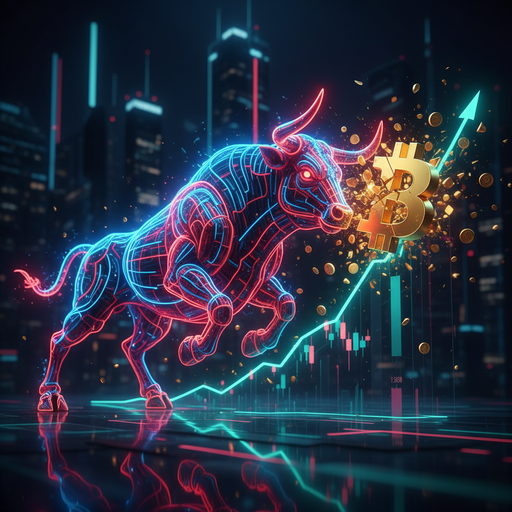
On March 3, 2026, two seemingly unrelated clues, at the same moment, are affecting the nerves of the global capital markets: the United States announced a "large-scale attack" on Iran, and at the same time, Bitcoin once again crossed the $70,000 mark after several months.
At the moment the news broke, there was a brief silence in the group chat, followed by a flood of question marks and exclamation points. Someone sent an emoji: one hand counting money, the other hand clutching their heart.
This is probably the most authentic portrayal of people in the current crypto world—on one side, fear brought by geopolitical conflict; on the other, euphoria from rising assets. These two emotions are fighting inside the chest, making it hard to tell who wins and who loses.
Some say Bitcoin's rebound is a return of its "safe-haven" attribute. Gold rises, crude oil rises, and Bitcoin also rises. It indeed looks like that. But think carefully—can Bitcoin really stand shoulder to shoulder with gold?
Gold's safe-haven status is a consensus built over thousands of years of human civilization. The rise in crude oil reflects the most direct imbalance of supply and demand. Bitcoin's rise, however, feels more like an experiment: when the world's largest economy is mired in war, and the dollar's credit is repeatedly overdrawn, will more and more people start looking for a "digital ark" that is not controlled by any country?
From this perspective, Bitcoin isn't competing with gold for business; it's filling a gap that gold can't cover—a fully decentralized, 24/7 tradable, borderless store of value.
Of course, all this is just a hypothesis. The $70,000 mark, some bullish traders see as a starting point, while some bearish traders see as a phase top. No one knows whether tomorrow's wake-up will bring more fierce gunfire or more dazzling K-lines.
The only certainty is that tonight, countless people, just like you, are waiting for an answer in front of their screens. Some are waiting for financial freedom, others for a reason to find peace of mind. $BTC
Distant gunfire and nearby K-lines are the test questions this era has given us. #美伊局勢影響