






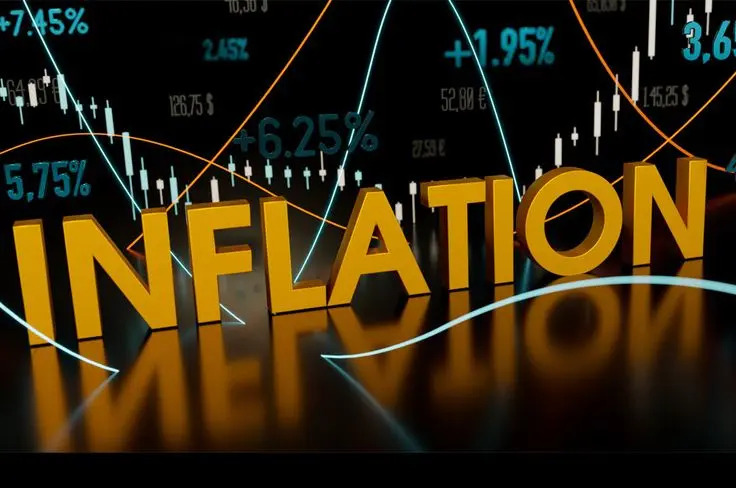
✨In the US, shelter inflation continues to be one of the heaviest and most persistent components of the Consumer Price Index (CPI). According to January 2026 data (published by BLS on February 13, 2026), the shelter category played a significant role in the overall downward trend in inflation, but it still remains above overall inflation.
✨These values show that despite shelter costs converging towards their lowest levels in four years, they are still well above the Fed's 2% target.
✨Shelter is the single largest component of the core CPI → even a 3% annual increase played a key role in bringing core inflation down to 2.5%. If shelter inflation remains in the 2.5-3% range, overall core inflation may not reach the Fed's target of 2% until the end of 2026 or the beginning of 2027. Services inflation (excluding shelter) is still around 3% → stickiness persists due to wage increases and other service costs. ✨Housing remains the "last bastion of inflation". The slowdown is positive, but for lasting disinflation, monthly increases need to fall to the 0.1-0.15% range.
#USCoreCPIHitsFour-YearLow
✨These values show that despite shelter costs converging towards their lowest levels in four years, they are still well above the Fed's 2% target.
✨Shelter is the single largest component of the core CPI → even a 3% annual increase played a key role in bringing core inflation down to 2.5%. If shelter inflation remains in the 2.5-3% range, overall core inflation may not reach the Fed's target of 2% until the end of 2026 or the beginning of 2027. Services inflation (excluding shelter) is still around 3% → stickiness persists due to wage increases and other service costs. ✨Housing remains the "last bastion of inflation". The slowdown is positive, but for lasting disinflation, monthly increases need to fall to the 0.1-0.15% range.
#USCoreCPIHitsFour-YearLow