

Trade
Basic
Futures
Futures
Hundreds of contracts settled in USDT or BTC
TradFi
Gold
Trade global traditional assets with USDT in one place
Options
Hot
Trade European-style vanilla options
Unified Account
Maximize your capital efficiency
Demo Trading
Futures Kickoff
Get prepared for your futures trading
Futures Events
Participate in events to win generous rewards
Demo Trading
Use virtual funds to experience risk-free trading
Earn
Launch
CandyDrop
Collect candies to earn airdrops
Launchpool
Quick staking, earn potential new tokens
HODLer Airdrop
Hold GT and get massive airdrops for free
Launchpad
Be early to the next big token project
Alpha Points
Trade on-chain assets and enjoy airdrop rewards!
Futures Points
Earn futures points and claim airdrop rewards
Investment
Simple Earn
Earn interests with idle tokens
Auto-Invest
Auto-invest on a regular basis
Dual Investment
Buy low and sell high to take profits from price fluctuations
Soft Staking
Earn rewards with flexible staking
Crypto Loan
0 Fees
Pledge one crypto to borrow another
Lending Center
One-stop lending hub
VIP Wealth Hub
Customized wealth management empowers your assets growth
Private Wealth Management
Customized asset management to grow your digital assets
Quant Fund
Top asset management team helps you profit without hassle
Staking
Stake cryptos to earn in PoS products
Smart Leverage
New
No forced liquidation before maturity, worry-free leveraged gains
GUSD Minting
Use USDT/USDC to mint GUSD for treasury-level yields

More


Trending Topics
View More214.35K Popularity
8.57K Popularity
11.73K Popularity
11.79K Popularity
5.74K Popularity




Pin
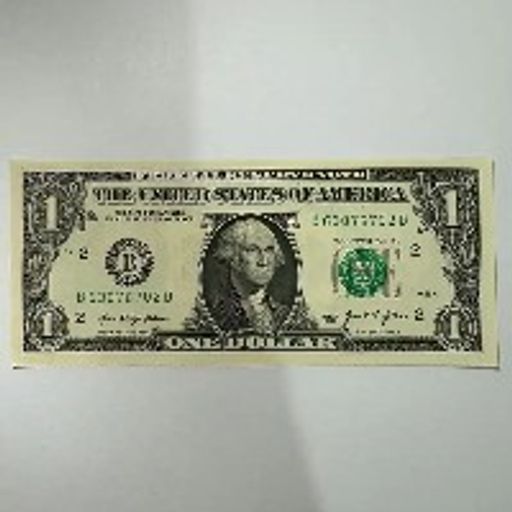
The US dollar may fall 10% this year due to the Federal Reserve's unexpectedly aggressive rate cuts, strategists say
Investing.com - According to State Street Corp. strategist Lee Ferridge, the US dollar may decline by 10% this year due to the Federal Reserve potentially cutting interest rates more aggressively than the market currently expects after the new chair takes office.
Although traders currently anticipate the Fed to start cutting rates around June, with at least two rate cuts (25 basis points each) by the end of the year, Ferridge believes there could be a third cut in 2026. This view is partly based on the expectation that Jerome Powell’s successor will face pressure from President Donald Trump to lower borrowing costs.
“Three cuts are possible,” Ferridge said in an interview at the Miami TradeTech FX conference. “Two are a reasonable baseline, but we have to accept that we are entering a period of greater uncertainty in Fed policy.”
Use InvestingPro to track key economic data and Fed decisions in real time — now at 50% off.
Ferridge explained that deeper rate cuts by the Fed would reduce the cost for foreign investors to hedge their currency risk when investing in the US. As investors increase such hedging activities, it could put downward pressure on the dollar.
The strategist pointed out that concerns over trade tensions and the US fiscal outlook, along with pressure from Trump on the Fed, have already weakened the dollar. Trump has proposed nominating former Fed Governor Kevin Warsh to succeed Powell, whose term ends in May.
Ferridge predicts that in the short term, strong US economic data will reduce expectations for rate cuts, potentially causing the dollar to rebound by 2%-3%. However, he believes dollar selling is “just waiting for Kevin Warsh to take over the Fed and start more sustained rate cuts, narrowing the interest rate gap with other parts of the world.”
According to State Street data, the current hedge ratio of about 58% is significantly lower than the over 78% level before the Fed began raising rates in 2022.
This article was translated with the assistance of artificial intelligence. For more information, please see our Terms of Use.