

Trade
Basic
Futures
Futures
Hundreds of contracts settled in USDT or BTC
TradFi
Gold
Trade global traditional assets with USDT in one place
Options
Hot
Trade European-style vanilla options
Unified Account
Maximize your capital efficiency
Demo Trading
Futures Kickoff
Get prepared for your futures trading
Futures Events
Participate in events to win generous rewards
Demo Trading
Use virtual funds to experience risk-free trading
Earn
Launch
CandyDrop
Collect candies to earn airdrops
Launchpool
Quick staking, earn potential new tokens
HODLer Airdrop
Hold GT and get massive airdrops for free
Launchpad
Be early to the next big token project
Alpha Points
Trade on-chain assets and enjoy airdrop rewards!
Futures Points
Earn futures points and claim airdrop rewards
Investment
Simple Earn
Earn interests with idle tokens
Auto-Invest
Auto-invest on a regular basis
Dual Investment
Buy low and sell high to take profits from price fluctuations
Soft Staking
Earn rewards with flexible staking
Crypto Loan
0 Fees
Pledge one crypto to borrow another
Lending Center
One-stop lending hub
VIP Wealth Hub
Customized wealth management empowers your assets growth
Private Wealth Management
Customized asset management to grow your digital assets
Quant Fund
Top asset management team helps you profit without hassle
Staking
Stake cryptos to earn in PoS products
Smart Leverage
New
No forced liquidation before maturity, worry-free leveraged gains
GUSD Minting
Use USDT/USDC to mint GUSD for treasury-level yields

More





Exchange Incidents and Crisis Management: Lessons from Bithumb's Airdrop Mishap on User Asset Protection
A $44 billion operational mistake made Korea’s cryptocurrency exchange Bithumb the global focus on February 6, 2026. Originally planned to distribute small rewards worth about $1.50 to users, a data entry error turned a reward of 2,000 Korean won per person into 2,000 bitcoins per person.
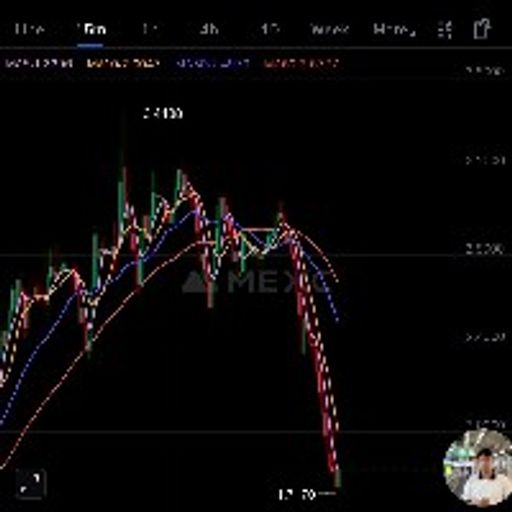
This incident quickly triggered a lightning-fast collapse in the exchange’s Bitcoin price, which dropped to $55,000 at one point, 15.8% lower than other exchanges.
As of February 9, the latest update shows that although Bithumb responded swiftly after the incident and recovered 99.7% of the mistakenly issued assets, 125 bitcoins (worth approximately $8.8 million, based on the current price of around $70,000 per bitcoin) remain unrecovered. This event has once again sounded the alarm on the operational security and crisis management of exchanges.
Event Recap: An Expensive Operational Error
The core of the Bithumb incident was a human operational mistake. During a user reward campaign, the exchange was supposed to distribute small rewards worth 2,000 Korean won (about $1.50), but mistakenly issued 2,000 bitcoins to 695 users.
This error resulted in approximately 620,000 bitcoins being mistakenly distributed, valued at about $44 billion at the time.
These inflated balances only existed in Bithumb’s internal ledger and were not actual on-chain transfers. However, when users discovered large amounts of bitcoins suddenly appearing in their accounts, they quickly tried to sell, triggering a sharp sell-off in the BTC/KRW trading pair on Bithumb.
Bitcoin’s price on the exchange once dropped to 81 million Korean won (about $55,000), 15.8% lower than other exchanges. Within 35 minutes of the incident, Bithumb rapidly restricted trading and withdrawal functions for affected accounts.
As of February 9, Bithumb has recovered 99.7% of the erroneously issued assets, but 125 bitcoins are still unrecovered. About 80 users have cashed out the mistakenly credited bitcoins, with some funds transferred to personal bank accounts or used to purchase other cryptocurrencies.
In-Depth Analysis: Systemic Risks Behind the Incident
The Bithumb incident exposed potential systemic issues in centralized exchanges’ operational processes and risk controls. Operational errors as the direct cause reflect possible lapses in the exchange’s internal review mechanisms. Although Bithumb emphasized that the incident was unrelated to external hacking or security vulnerabilities, this highlights the importance of internal process controls.
The efficiency and transparency of crisis response are key indicators of an exchange’s professionalism. Bithumb quickly activated emergency measures after the incident, identifying abnormal transactions through internal controls and restricting affected accounts within minutes. The company stated that its clearing prevention system functioned as intended, preventing chain reactions of forced liquidations related to price movements.
Asset recovery complexity was particularly evident in this event. Although Bithumb recovered 99.7% of the mistakenly issued assets, the recovery of the remaining 125 bitcoins remains challenging. Some users have liquidated the credited bitcoins and transferred the funds to personal bank accounts or used them to buy other cryptocurrencies, increasing the difficulty and legal complexity of asset recovery.
Lessons from History: Evolution from Mt. Gox to Bithumb
Security incidents at cryptocurrency exchanges are not new; major past events offer valuable lessons. The collapse of Mt. Gox in 2014 was the most significant exchange failure in crypto history, losing about 850,000 bitcoins, of which 750,000 belonged to customers.
Unlike Mt. Gox, which suffered asset losses due to external hacking, the Bithumb incident stemmed from internal operational errors. This difference reflects the evolution of risk types in exchanges: from primarily defending against external attacks in early days to now needing to address internal operational risks, system vulnerabilities, and human errors simultaneously.
The maturity of crisis response mechanisms also demonstrates industry progress. After Mt. Gox, victims endured a lengthy process to recover assets, with slow progress. In contrast, Bithumb acted swiftly after the incident, recovering most of the mistakenly issued assets in a short period.
Regulatory changes have also influenced how exchange incidents are handled. With increased global regulation of crypto exchanges, platforms face stricter transparency and customer protection requirements. Following the Bithumb incident, South Korean financial regulators immediately announced an investigation.
Asset Security: Transparency and Reserves as Core Values
Against the backdrop of frequent exchange incidents, mechanisms to safeguard user assets have become a key measure of platform reliability. Transparent reserve proof mechanisms are fundamental to building user trust. According to CoinMarketCap’s January 2026 exchange reserve ranking report, Gate continues to lead in total reserves, with an overall reserve coverage rate of 125%.
Diversified asset reserve structures can enhance an exchange’s risk resilience. Gate maintains a higher-than-mainstream allocation of reserves across various assets, supporting nearly 500 different user asset types.
Technological innovations in asset verification are changing transparency standards. Gate pioneered the use of zero-knowledge proof technology, combined with cold and hot wallet verification, Merkle tree structures, and user balance snapshots, to ensure the authenticity and verifiability of asset reserves.
A sound crisis response system is the last line of defense for secure exchange operations. Professional crypto security firms emphasize that effective crisis response requires combining network monitoring with on-chain analysis, real-time anomaly detection, and establishing pre-approved wallet segregation, key management, and communication protocols.
Ecosystem Advantages: Gate’s Full Asset Deployment and Platform Resilience
In the face of various risks and challenges in the exchange industry, a diversified product ecosystem is key to enhancing platform stability. Gate is accelerating its transition from a single cryptocurrency exchange to a comprehensive financial platform covering derivatives, cross-platform trading, and multi-asset TradFi products.
According to Gate’s January 2026 transparency report, Gate Perp DEX’s monthly trading volume exceeds $5.5 billion, indicating that on-chain perpetual contracts are shifting from niche tools to high-frequency use cases. Meanwhile, Gate TradFi has accumulated over $20 billion in trading volume since launch, covering traditional assets like metals, forex, indices, commodities, and popular stocks.
Multi-layer risk diversification mechanisms further strengthen platform stability. Gate Simple Earn, a large-scale liquidity pool, has a monthly subscription total exceeding $2.5 billion, with over 350,000 daily participants, providing a stable liquidity foundation.
Combining technological innovation with user experience enhances overall platform security. Gate DEX has completed branding and login experience upgrades, significantly lowering on-chain transaction barriers and offering users a smoother cross-chain asset flow and application deployment experience.
Summary
As of February 9, Bithumb still has 125 bitcoins unrecovered from users. Meanwhile, on the other side of the market, Gate’s BTC reserve ratio has reached 140.69%, with a total reserve value of $9.478 billion, maintaining a reserve coverage rate of 125%.
While market attention is focused on the incident, platforms quietly building multi-layered asset protection systems are redefining industry standards. From on-chain derivatives trading volumes exceeding $5.5 billion, to traditional financial asset trading surpassing $20 billion, and simple earn products with monthly subscriptions over $2.5 billion.
Behind these numbers lies a more fundamental shift: The core of competition among crypto exchanges is shifting from merely pursuing trading volume to building sustainable, transparent, and comprehensive asset protection ecosystems.