

Trade
Basic
Futures
Futures
Hundreds of contracts settled in USDT or BTC
TradFi
Gold
Trade global traditional assets with USDT in one place
Options
Hot
Trade European-style vanilla options
Unified Account
Maximize your capital efficiency
Demo Trading
Futures Kickoff
Get prepared for your futures trading
Futures Events
Participate in events to win generous rewards
Demo Trading
Use virtual funds to experience risk-free trading
Earn
Launch
CandyDrop
Collect candies to earn airdrops
Launchpool
Quick staking, earn potential new tokens
HODLer Airdrop
Hold GT and get massive airdrops for free
Launchpad
Be early to the next big token project
Alpha Points
Trade on-chain assets and enjoy airdrop rewards!
Futures Points
Earn futures points and claim airdrop rewards
Investment
Simple Earn
Earn interests with idle tokens
Auto-Invest
Auto-invest on a regular basis
Dual Investment
Buy low and sell high to take profits from price fluctuations
Soft Staking
Earn rewards with flexible staking
Crypto Loan
0 Fees
Pledge one crypto to borrow another
Lending Center
One-stop lending hub
VIP Wealth Hub
Customized wealth management empowers your assets growth
Private Wealth Management
Customized asset management to grow your digital assets
Quant Fund
Top asset management team helps you profit without hassle
Staking
Stake cryptos to earn in PoS products
Smart Leverage
New
No forced liquidation before maturity, worry-free leveraged gains
GUSD Minting
Use USDT/USDC to mint GUSD for treasury-level yields

More




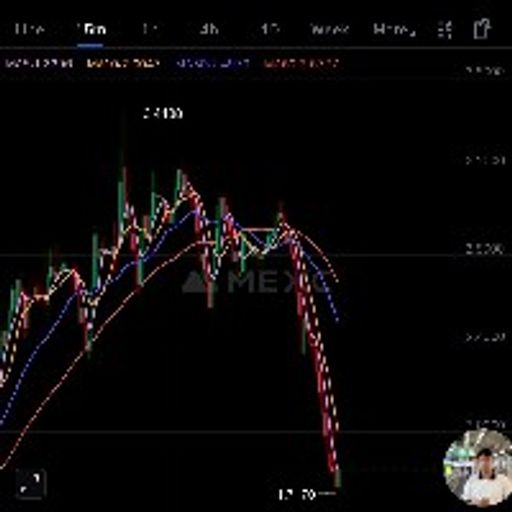

Understanding the Meaning of Wedge in Bitcoin Technical Analysis: Shapes, Signals, and Risk Management Strategies
In the world of technical analysis, a wedge is one of the patterns that often confuses traders, especially regarding when to take a position. A proper understanding of what a wedge means is crucial to avoid losses and to capitalize on trading opportunities more effectively. This pattern combines two closely related trend lines, creating a price compression zone full of breakout potential.
Why Wedge Patterns Require Special Caution
An upward-sloping wedge pattern is often initially interpreted as a bearish signal or a price decline. However, this interpretation should not be rushed. Before the pattern breaks below its lower boundary, we should not immediately conclude that the price will fall. The lower boundary of the wedge is actually a strong upward trend line, so a breakout in this area requires significant momentum.
For traders, this area becomes a highly strategic zone to open positions with tight risk management. It is recommended to always set a stop loss at an appropriate level to protect capital from unexpected movements. Anticipating a breakout from the wedge pattern requires precision and patience.
The Relationship Between Bitcoin and US Stock Market Movements
Observations of Bitcoin’s movements show that its correlation with the US stock market has become a consistent trend. However, it should be noted that fluctuations in both markets do not always align perfectly. Overall Bitcoin volatility remains higher compared to US stock market indices, reflecting the more dynamic nature of the crypto market.
On the other hand, Bitcoin’s volatility itself shows signs of decline during certain periods, indicating market maturation. Although the correlation with US stocks continues, Bitcoin still maintains its unique characteristics as an asset with more extreme fluctuations. Understanding this relationship is important for investors looking to diversify their portfolios.
Implementing Effective Risk Management Strategies
For traders looking to leverage wedge patterns and Bitcoin movements, risk management strategies are key to long-term success. Accurate stop loss placement, proper position sizing, and continuous monitoring of market correlations are essential elements in every trading decision. With a deep understanding of what a wedge means and the dynamics of the crypto market, traders can make more informed decisions and minimize unnecessary risk exposure.