

Trade
Basic
Futures
Futures
Hundreds of contracts settled in USDT or BTC
Options
HOT
Trade European-style vanilla options
Unified Account
Maximize your capital efficiency
Demo Trading
Futures Kickoff
Get prepared for your futures trading
Futures Events
Participate in events to win generous rewards
Demo Trading
Use virtual funds to experience risk-free trading
Earn
Launch
CandyDrop
Collect candies to earn airdrops
Launchpool
Quick staking, earn potential new tokens
HODLer Airdrop
Hold GT and get massive airdrops for free
Launchpad
Be early to the next big token project
Alpha Points
NEW
Trade on-chain assets and enjoy airdrop rewards!
Futures Points
NEW
Earn futures points and claim airdrop rewards
Investment
Simple Earn
Earn interests with idle tokens
Auto-Invest
Auto-invest on a regular basis
Dual Investment
Buy low and sell high to take profits from price fluctuations
Soft Staking
Earn rewards with flexible staking
Crypto Loan
0 Fees
Pledge one crypto to borrow another
Lending Center
One-stop lending hub
VIP Wealth Hub
Customized wealth management empowers your assets growth
Private Wealth Management
Customized asset management to grow your digital assets
Quant Fund
Top asset management team helps you profit without hassle
Staking
Stake cryptos to earn in PoS products
Smart Leverage
NEW
No forced liquidation before maturity, worry-free leveraged gains
GUSD Minting
Use USDT/USDC to mint GUSD for treasury-level yields

More



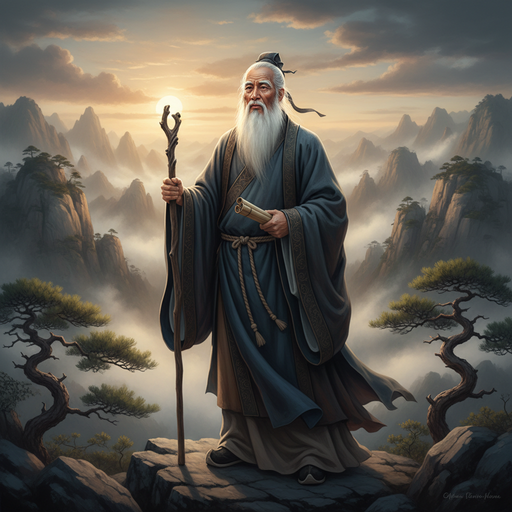

Sufficiency in Lifestyle Approach: From Theory to Practice
Over the past few decades, many Thais have applied the concept of sufficiency economy in their daily life planning, from household management to career building, in both agriculture and various business sectors. The success of this approach in helping people weather economic crises has further emphasized the importance of living a balanced life.
Sufficiency in Career Building: Case Studies from Various Industries
Achieving success in business is not solely about chasing maximum profits but about laying a solid foundation through thoughtful planning. Entrepreneurs who adopt the sufficiency economy concept tend to utilize resources efficiently, avoiding unnecessary large investments. They should focus on producing at a level appropriate to their management capacity.
Regarding profits, long-term stability with modest greed often yields better results. This idea also encourages entrepreneurs to develop effective risk management systems, whether from market fluctuations, cost control, or labor management issues. Additionally, sourcing raw materials locally and responding to local markets help reduce transportation costs and foster better relationships with customers.
Self-Sufficiency through Agriculture: Structures and Practices
For Thai farming communities, the sufficiency concept is most clearly exemplified in mixed rice farming. Farmers cultivating multiple crops, raising various animals, and adjusting harvest systems seasonally have created a lifestyle independent of imported food markets.
Many local Thai communities have developed new agricultural systems that divide land into different zones for better management and risk reduction. This approach is called the “New Theory,” which can be categorized into three levels: basic (for households aiming for self-reliance), advanced (where multiple farmers collaborate to create markets and bargaining power), and third (for building community economies through cooperatives and knowledge exchange).
Framework for Life Sustainability: Core Components
First: The Three Pillars (Three Principles) Living a balanced life along the middle path can be broken down into three key components:
Moderation - Limiting oneself in accordance with one’s abilities, whether in terms of income (earning income through honest means) or spending (spending only what is earned, avoiding excessive borrowing). This moderation creates balance in life.
Reasonableness - Decisions should be made after understanding and analyzing the situation, whether starting a business, assessing personal potential, planning, or avoiding impulsive choices.
Good Risk Management - Preparing to handle any changes that may occur, such as unpredictable weather, market volatility, or health issues, enabling timely adaptation and adoption of new information or methods.
Second: Two Conditions (Two Conditions)
These two conditions form the foundation for decision-making:
Knowledge - It is essential to learn from various sources, including formal education, personal experience, or expert insights. A broad knowledge base helps us make better decisions and solve problems effectively.
Virtue - Living honestly, diligently, and fairly fosters trust and balance in all actions.
Origin of This Concept: The Development Path of the Sufficiency Economy
In 1974, His Majesty King Bhumibol Adulyadej of Thailand emphasized the importance of establishing a foundation of “enough to have, enough to eat, enough to use” during a lecture at Kasetsart University, marking the beginning of this philosophy.
At that time, Thailand was heavily investing in infrastructure, mainly through foreign loans, aiming to shift the economy toward industrialization. Although economic growth was rapid, negative side effects accumulated—environmental degradation, deforestation, and rising income inequality.
In 1996 (one year before the Tom Yum Goong crisis), the King reiterated that “being a tiger is not the goal; what matters more is having an economy that is enough to have and enough to eat.” The government and the public began to pay more attention to this idea.
When the 1997 Asian financial crisis hit in 2000, many countries were affected, but Thailand, with its simple economy and self-reliance in food and other goods, suffered less. Many other nations, which were more developed, experienced greater damage. This led the sufficiency economy concept to become a new tool for global resilience.
In 2006, the United Nations honored His Majesty King Bhumibol Adulyadej and the sufficiency economy philosophy as a “Developer King,” awarding the “Human Development Lifetime Achievement Award” to recognize its importance in line with the UN Sustainable Development Goals.
Applying This Philosophy Today: Starting from Oneself
Implementing the sufficiency economy at the individual and family level must begin with establishing a solid foundation before expanding into society. Key points include:
Education and Skill Development - Learning relevant skills to prepare for a career and generate stable income.
Practicing Patience - Every profession requires perseverance and good cooperation.
Honest Work - Earning income through lawful means without harming others.
Balancing Life - Maintaining a balance between work and personal life to prevent stress and illness.
Financial Planning - Saving and planning for the future prudently.
Appropriate Spending - Spending within one’s means, avoiding extravagance and greed.
Critical Decision-Making - Gathering information, planning, and carefully considering potential outcomes before acting.
Summary: Sufficiency as the Solution, Not Poverty
Over more than 30 years, sufficiency has become part of Thai cultural life. Its core idea is for people to produce for themselves, save expenses, and generate income from their own outputs. Consumers should also consume reasonably.
Deep understanding of this concept is increasingly vital today because controlling one’s production factors reduces risks. While global markets push for greed, sufficiency remains a raw diamond of stability.
Thailand, with a majority of its population engaged in agriculture, can achieve sustainable growth and more stable lives if the sufficiency mindset is strengthened.
Finally, the sufficiency philosophy is not limited to agriculture; it can be adapted across all economic sectors—finance, industry, real estate, and international trade—by adhering to the principle of moderation and prioritizing stability and sustainability over maximizing profits at the expense of other values.