

Trade
Basic
Futures
Futures
Hundreds of contracts settled in USDT or BTC
Options
HOT
Trade European-style vanilla options
Unified Account
Maximize your capital efficiency
Demo Trading
Futures Kickoff
Get prepared for your futures trading
Futures Events
Participate in events to win generous rewards
Demo Trading
Use virtual funds to experience risk-free trading
Earn
Launch
CandyDrop
Collect candies to earn airdrops
Launchpool
Quick staking, earn potential new tokens
HODLer Airdrop
Hold GT and get massive airdrops for free
Launchpad
Be early to the next big token project
Alpha Points
NEW
Trade on-chain assets and enjoy airdrop rewards!
Futures Points
NEW
Earn futures points and claim airdrop rewards
Investment
Simple Earn
Earn interests with idle tokens
Auto-Invest
Auto-invest on a regular basis
Dual Investment
Buy low and sell high to take profits from price fluctuations
Soft Staking
Earn rewards with flexible staking
Crypto Loan
0 Fees
Pledge one crypto to borrow another
Lending Center
One-stop lending hub
VIP Wealth Hub
Customized wealth management empowers your assets growth
Private Wealth Management
Customized asset management to grow your digital assets
Quant Fund
Top asset management team helps you profit without hassle
Staking
Stake cryptos to earn in PoS products
Smart Leverage
NEW
No forced liquidation before maturity, worry-free leveraged gains
GUSD Minting
Use USDT/USDC to mint GUSD for treasury-level yields

More


Trending Topics
View More3.67K Popularity
30.2K Popularity
85 Popularity
19.96K Popularity
112.91K Popularity




Pin
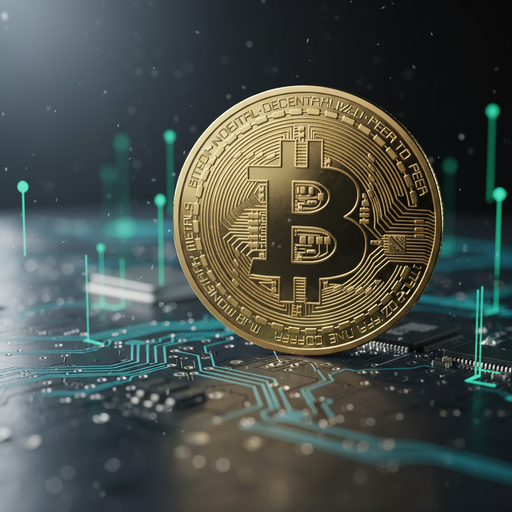
The smoke from the 2008 financial crisis has yet to clear when a paper signed by Satoshi Nakamoto suddenly appeared—"Bitcoin: A Peer-to-Peer Electronic Cash System." This mysterious figure used a brand-new peer-to-peer electronic cash system to directly challenge the traditional financial system.
No one truly knows who Satoshi Nakamoto is. It could be an individual, a research team, or just a pseudonym. Because of this mystery, Bitcoin has been shrouded in legend since its inception.
The core logic in the white paper is actually simple: First, you no longer need banks as intermediaries—decentralized networks can complete transactions. Second, no one can forge or double-spend your money because the entire network maintains the ledger through cryptography and nodes. Most importantly, the total supply of Bitcoin is permanently capped at 21 million coins, giving it the properties of digital gold. Miners maintain the network using computational power, and in return, they receive rewards—this incentive mechanism keeps the entire ecosystem self-sustaining.
In January 2009, the Bitcoin network officially went live. At that moment, the era of blockchain began.
And then came his "disappearance." On April 23, 2011, Satoshi Nakamoto left his last message on a forum and then vanished completely. He handed Bitcoin over to the community, like a director leaving after finishing a film. He has not appeared since.
But that doesn’t mean he has been forgotten. According to analysis, Satoshi Nakamoto holds approximately 1 million Bitcoins. When Bitcoin surpasses $120,000 in 2025, his paper wealth will exceed $134 billion, enough to rank among the top ten richest people in the world. Ironically, the person who rewrote the global financial landscape has long been out of the public eye.